
Share this:


 POSTCARD #243: New Delhi: A photo in the photo library of the mind got lost. I had it in a special place because I wanted to use it for this post, but now it’s gone and I didn’t make a note of file name, I’ve forgotten where I’d kept it and worse still, I’ve forgotten what it looks like. This is the problem. All I know is that it was a photo of sky that sent me off in the direction of thoughts like clouds drifting through the empty space of mind… blue sky, high altitude clarity – that’s all. So, how will I recognise it if I don’t know what it is? Hmmm I’ll know it when I see it, I suppose, hoping there’ll be some kind of familiarity about it, a pause before moving on to the next, thinking… that reminds me of something, what is it? And suddenly…
View original post 472 more words
Share this:


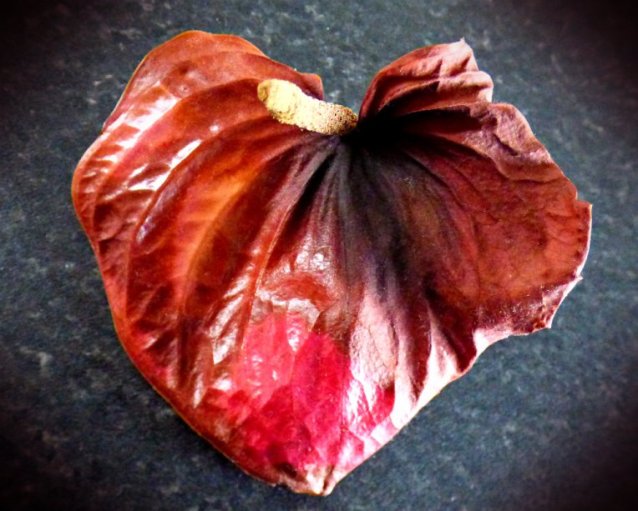
The faded flower caught my eye as I was trimming the potted plants on the windowsill. The rich shades of its life and death were so striking they would make an amazing watercolour. Appropriate, really, as the flower was an Anthurium, the painter’s palette. The heart shaped bloom seemed too beautiful to simply add to the compost so I reached for the camera, thinking that really, I should have reached for the paints.
Then I realised that I haven’t painted once since I moved house several months ago. In fact, I haven’t even unpacked them. Granted, there is a problem of space. There is no longer a spare room to serve as a studio and storage area, but that excuse only works for the oils and the big easel. The watercolours would slip in a drawer.
I used to paint something every day, just to keep learning, even if it…
View original post 817 more words
Share this:

It is, in the end, all about creation time. The meaning of this is not obvious to the Western psyche steeped in its causal logic, locked into this-to-that and the inevitable need, therefore to create this…. and the fear of not doing.
If you believe that we don’t create anything, that our role as a divinely inhabited observer is subtly different, then everything changes, and you can enter what the Aboriginal people called Dreamtime…
Only, they didn’t. What we call Dreamtime, meaning a kind of trance, is only a part of a way of harmonious living with the land and with others. This greater name is Tjukurpa.
 Tjukurpa has little to do with dreaming. It does, though, have a lot to do with Ancestors. However, the dark-skinned gentlings of this place would say we don’t understand ancestors, either…
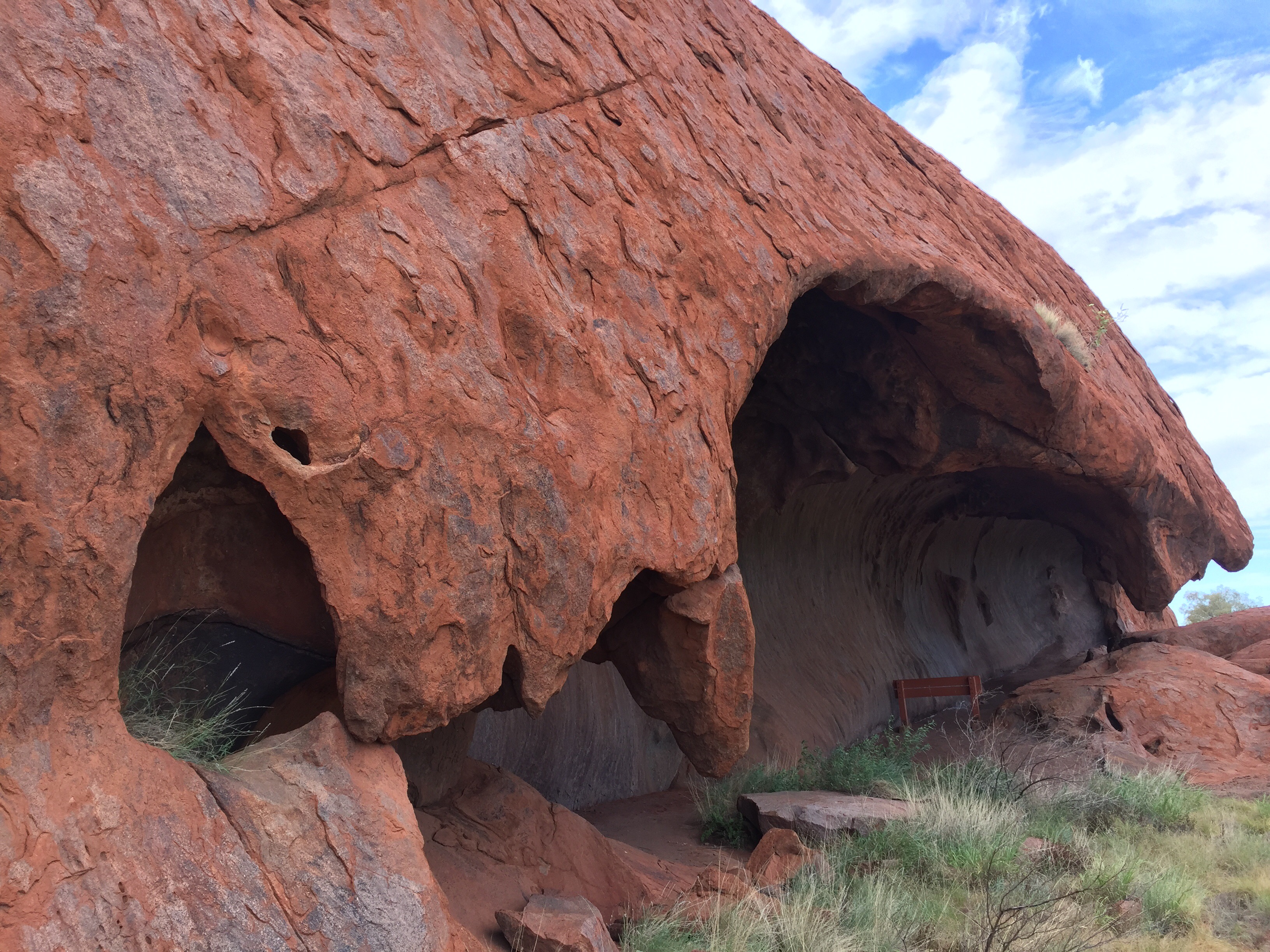
And then time shifts…
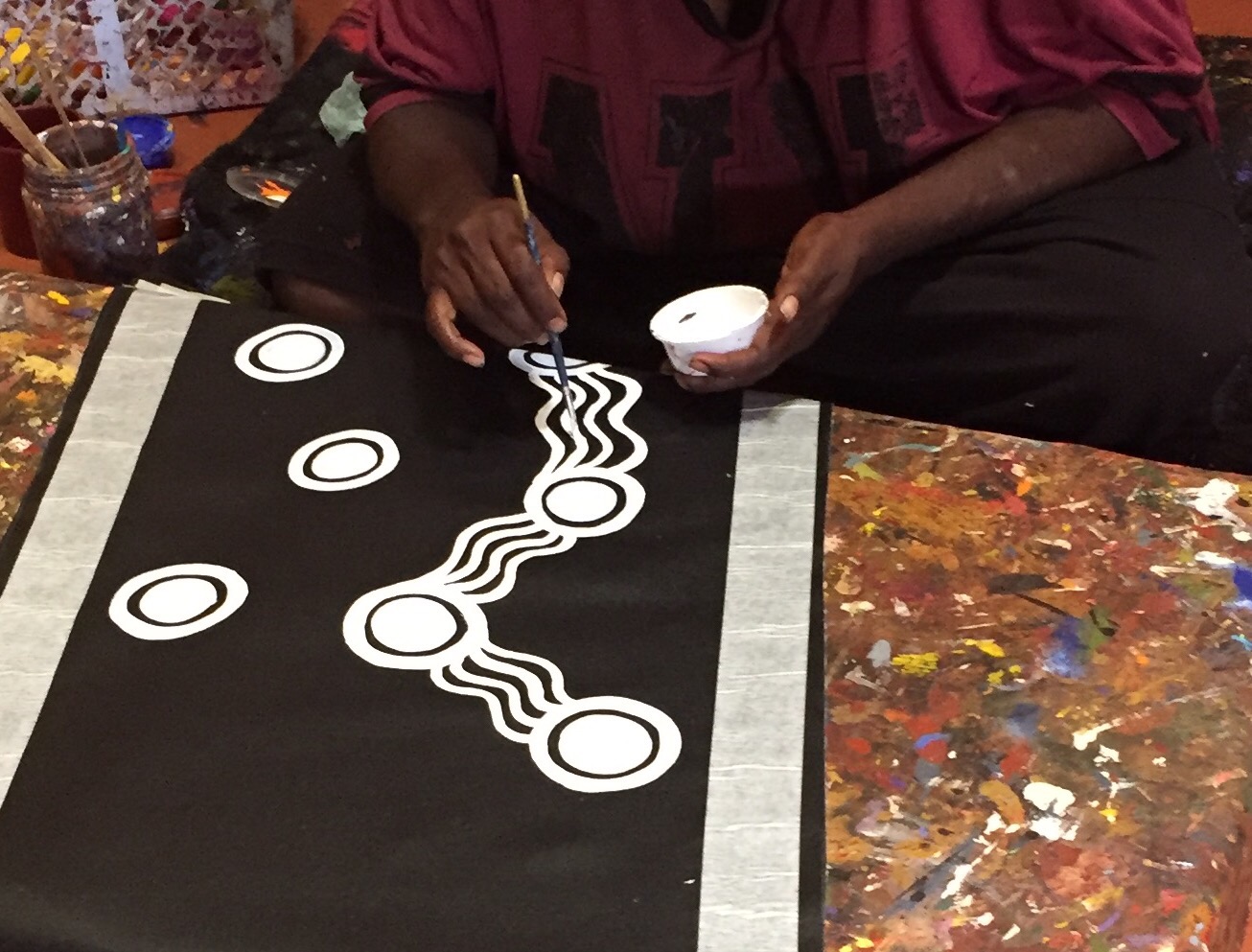
She showed me the gentling. On an old wooden floor where the pictures are made.

I had only been there for the shortest time when the understanding came. There was no single moment when it happened, just a sense, afterwards, of something profoundly present, where it had not been, before.
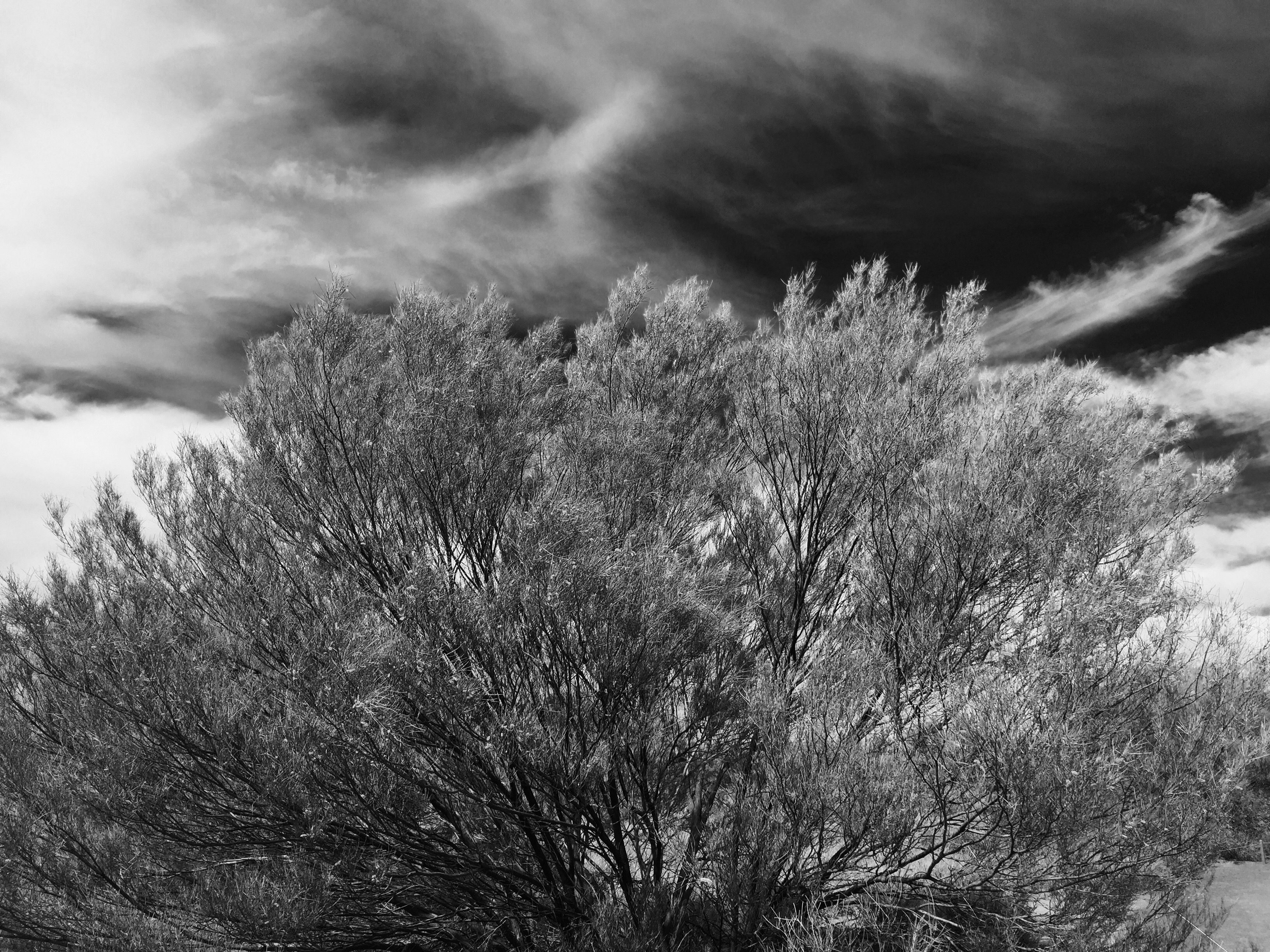
She knelt, perfectly at ease on the floor, as someone proficient in yoga might, her crossed and folded legs tucked under a thin blanket which acted as her artist’s table.
Before her, white-edged and black-centred, was her canvas, on which the Tjukurpa picture was emerging. It was the touch of her deft fingers on the simple brush that drew my attention, called my eyes to follow the circles…
If I really wanted to….

And time shifts…
The Urulu Ranger may have been related. I’ll never know. He had that tough bluster that marks out those men of the Anangu Aboriginal peoples whose home is the area around the Rock; the sacred rock, meeting of all paths, and as old as life on Earth.
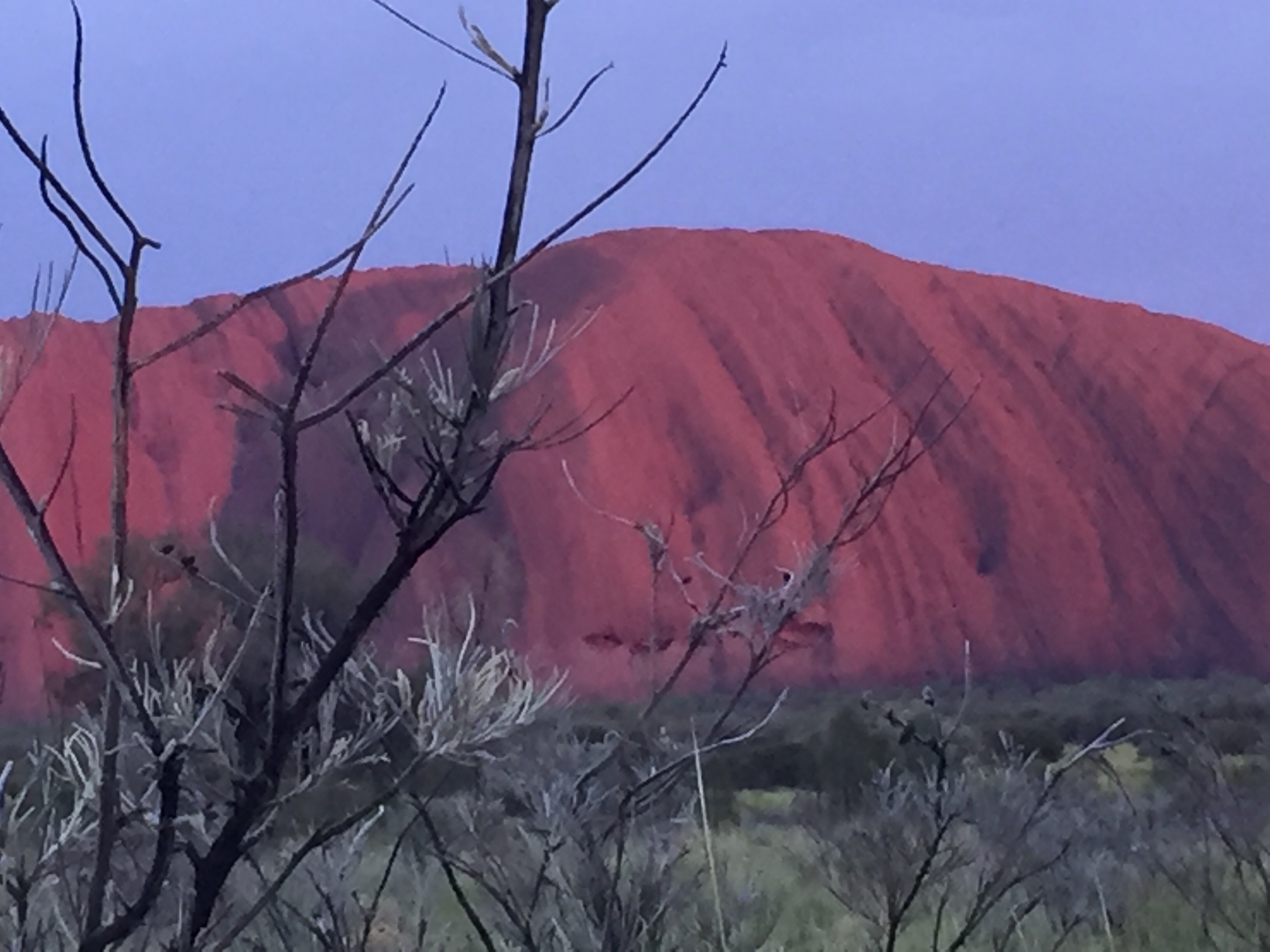
The Rock. Her name is Uluru.
It doesn’t mean anything, it’s her name. The Anangu smile, amused that the minds of the pale folk must always find a reason to find meaning…

Time shifts…
The fingers painted the perfect circles on the black cloth canvas. There was no effort, simply harmony between finger, dark skin and white, softly-loaded brush. I leaned forward. Was she humming, faintly?
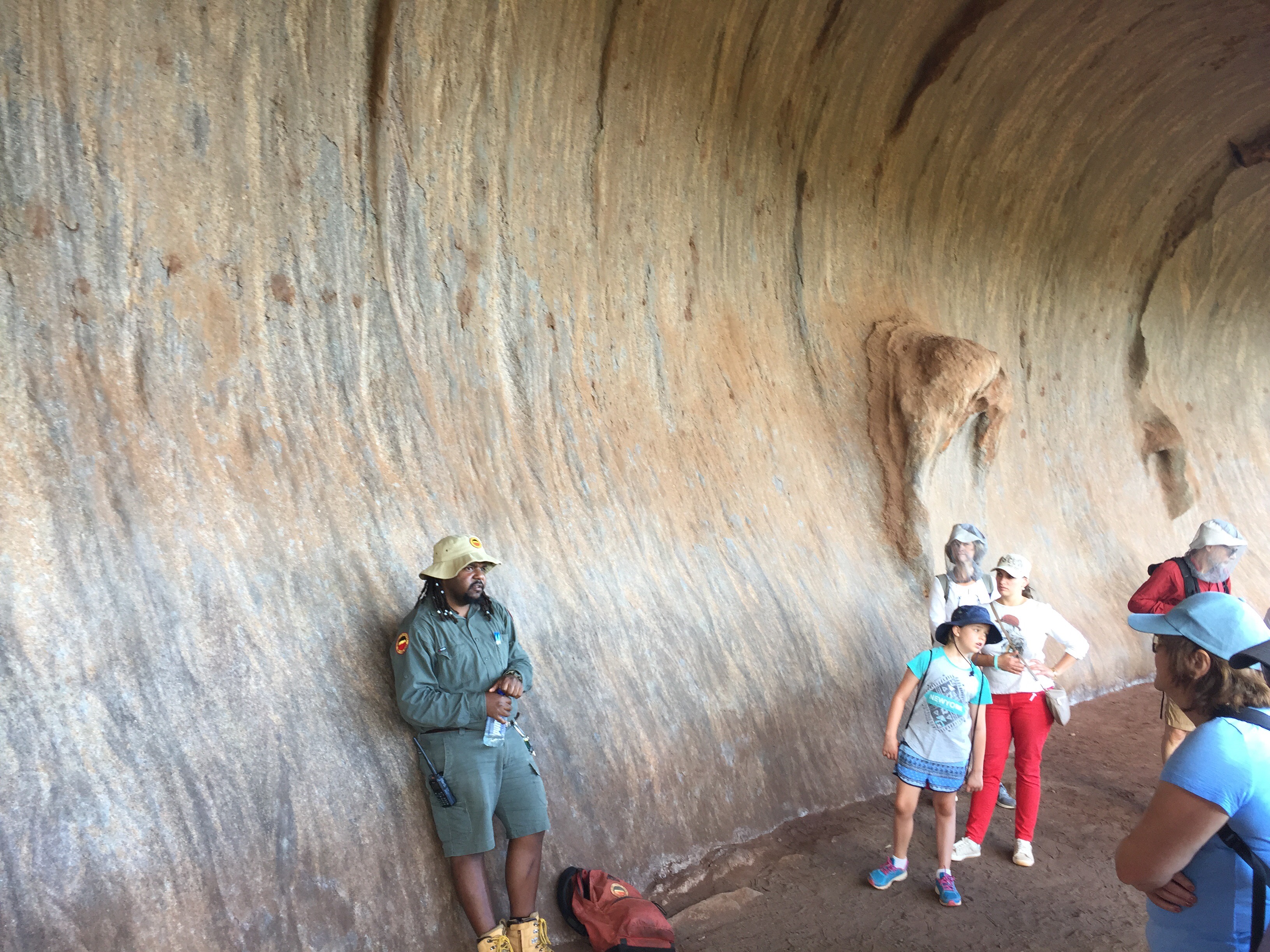
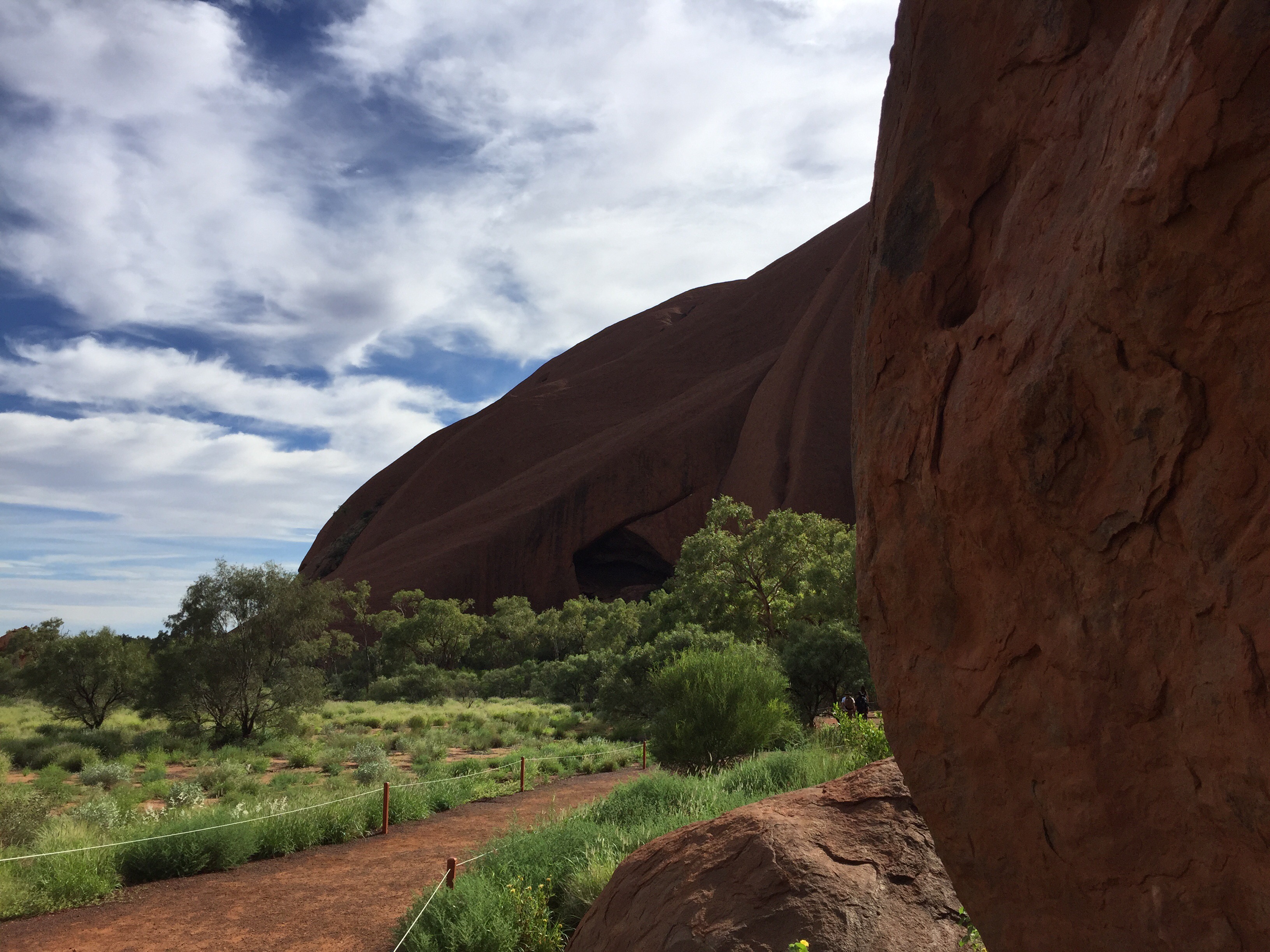
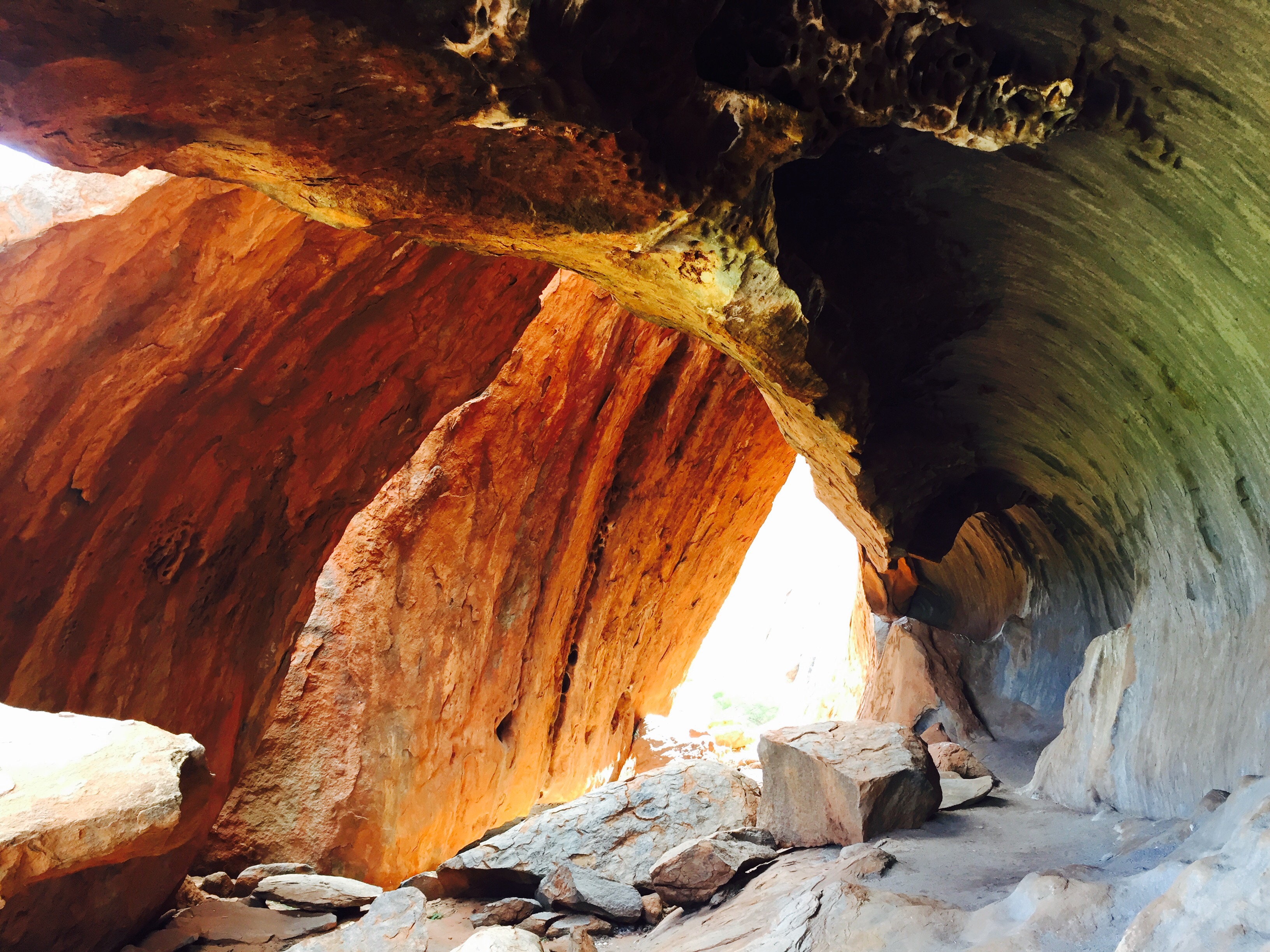
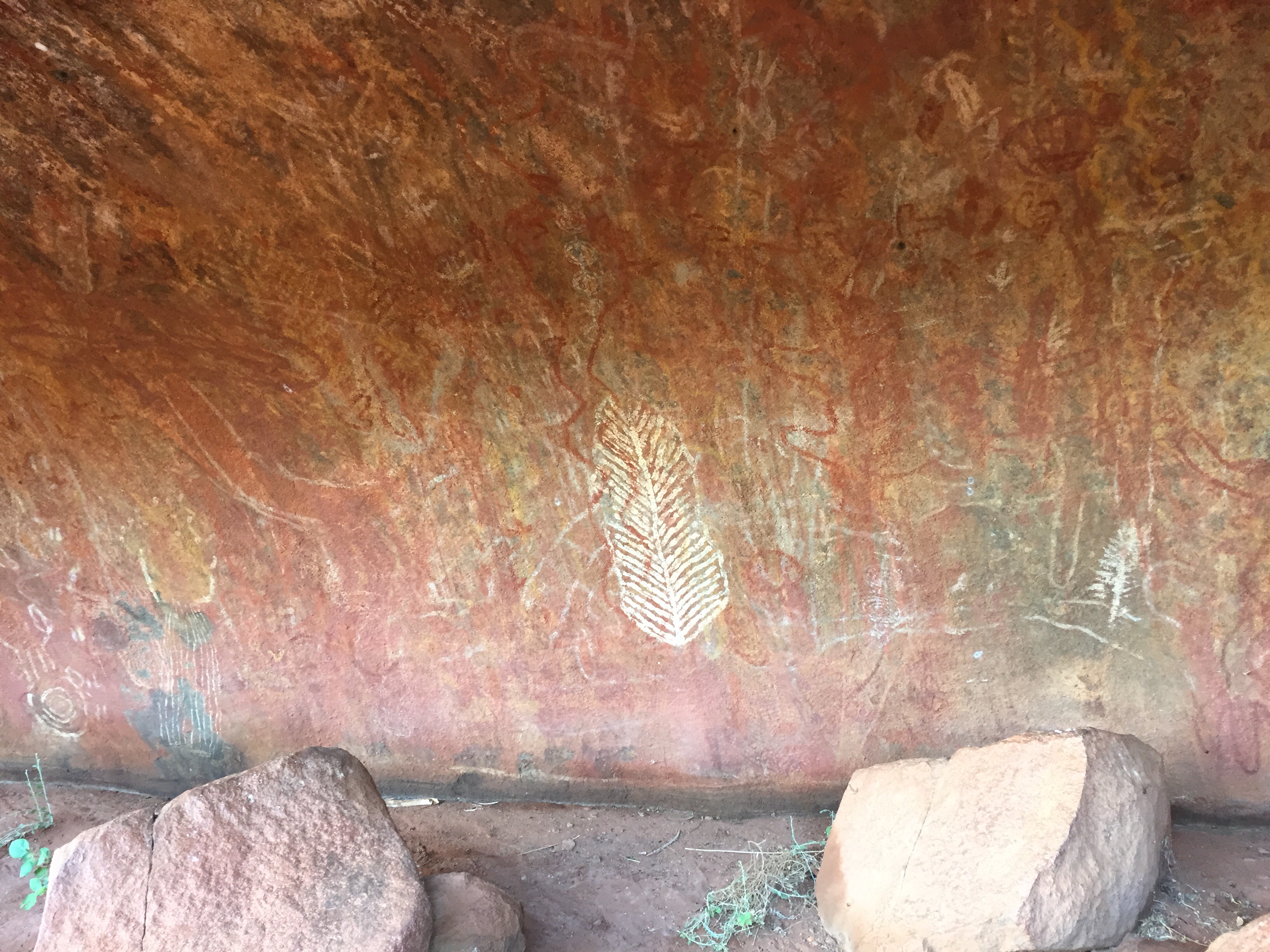
The Ranger took us to the teaching cave and pointed out the designs in crushed limestone and animal fat on the curved walls – walls that resemble the size and scale of the body of a whale, though no whales wandered here.
But perhaps they did? The Arkose rock, rich with Feldspar, itself the sedimentary attrition of millions of tons of old granite mountain forms the body of Urulu. It’s a body as old as the fossil record.
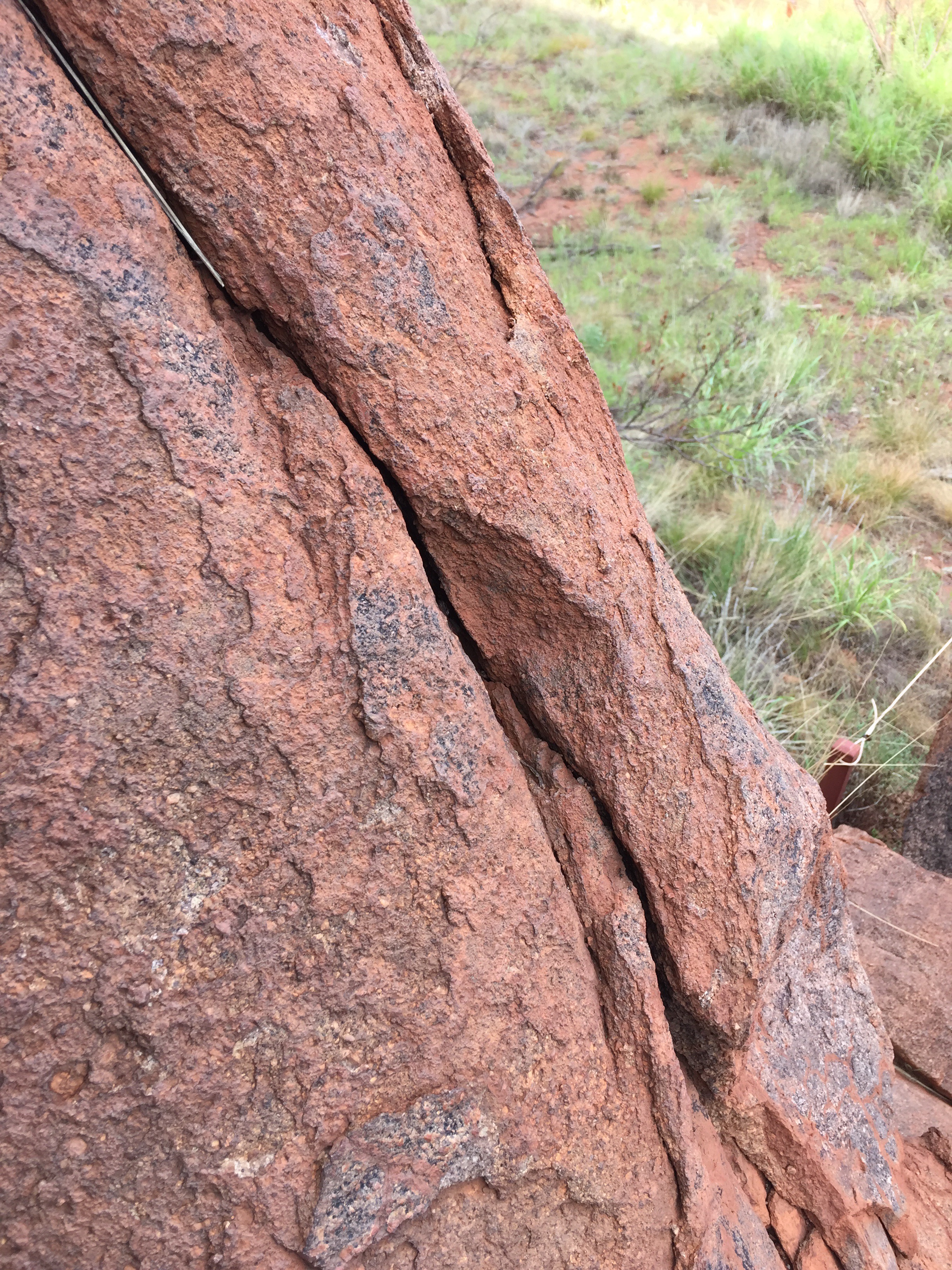
But she is not red from this sandstone.

She is red with the blood of iron.
Time shifts…
The brush paused between strokes; just for a second while the brown and gold flecked eyes flickered from their humble focus below to sweep across my watching.
I had joined her on the floor. Not doing as others had and staring down, but being with her as she created. The speckles of golden brown danced again before the white circle resumed its manifestation.
The Ranger had said:
When the boys grew hair on their faces they were deemed ready for the ceremony that would take them into manhood, said the Ranger. This is still used today. Their uncles would wash their faces and take turns in shaving a small area of the face until they were clean. Then, they would be presented to the tribe as young adults, ready to become hunters.
There would be feasting, crowned with the finest meat of the spiny ant-eater,, stuffed with leaves and baked in the burning soil, in a vessel made from wet clay so the spines could be removed with a single pull of the hot lid.
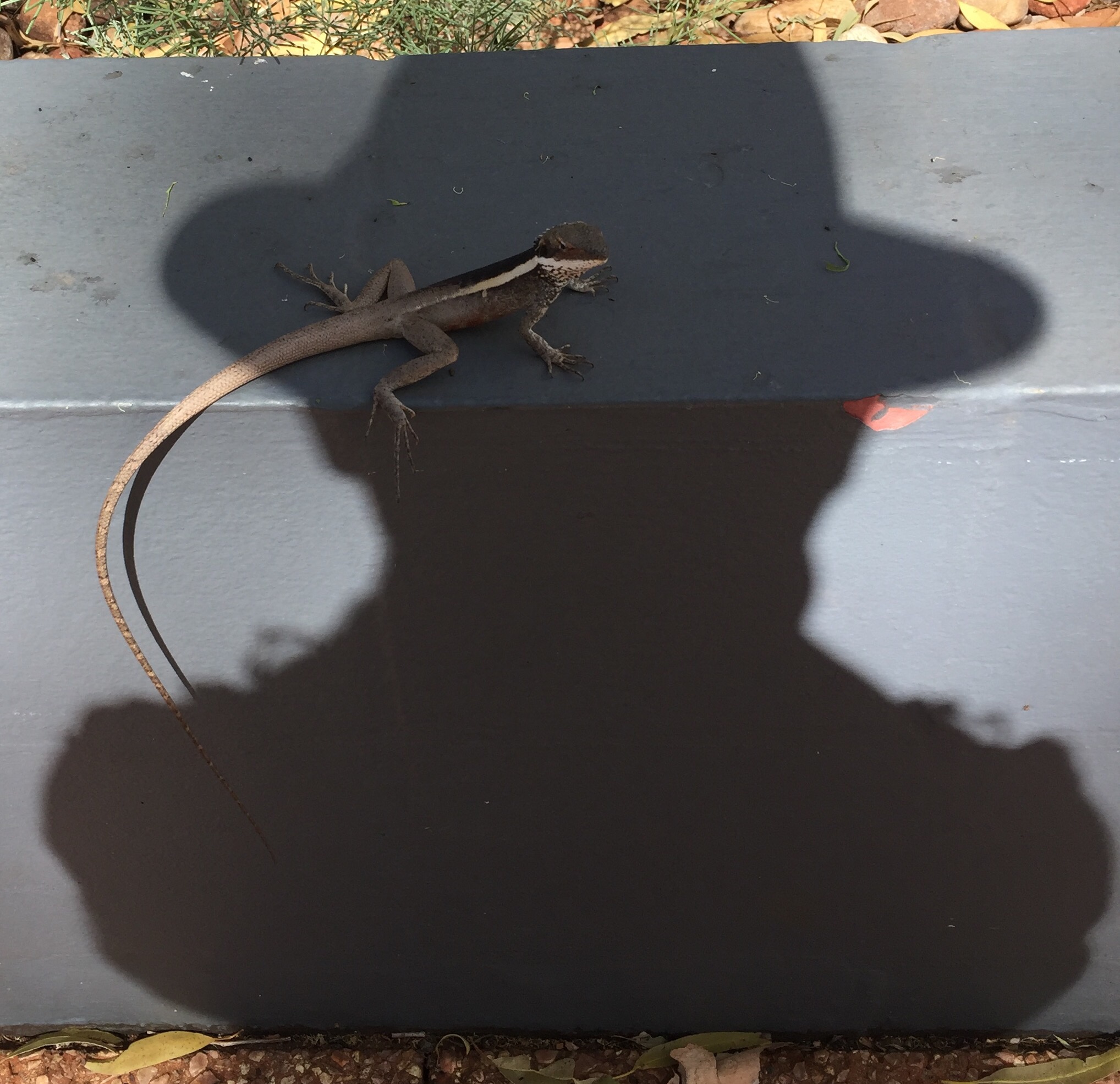
And eggs, half – but only half – of the eggs deposited in the Goanna lizard’s spiral birth tunnel, leaving enough for her and them, next year, to prosper.
The women would forage for succulent grubs, fresh berries and other bush-tucker.
All this would be laid before the freshly-shaved young men, the hope of the tribe as the greater wheels of life turned.

The older man, who may once have been a Ranger, but now teaches, in the community museum, is speaking.
“And then mother England poisoned our lands with their testing of atomic bombs. Land lost to us, forever.”
There is deep sadness that the land they love has been so hurt. I cringe at the arrogance of our history, but it is also the arrogance of the world’s history, and I am here to learn the gentling, not the hating… There is enough hating back home.
And then time shifts…
The way that her fingers paint the circles as she hums, speaks that Tjukurpa has a lot to do with gentleness and being taught by what’s really ‘out-there’. It’s a form of graphical tuition reserved for a special kind of canvas – the human body…
It’s a better way to capture true aliveness – the aliveness of Being.
And then time shifts for a final time and it is the morning.
It’s good to say thank you for gifts of understanding. A sacrifice, even a small one, can be a thank you.
Our day begins at 03:45 without breakfast so we can catch the first bus to greet the dawn at Urulu.
Eventually, we stand on the viewing platform with a growing number of others, but the chatter is not what we want.
We move down the trail to be lower, but nearer to the slowly brightening rock. It’s unusually cloudy and very little of the customary red-gold is coming through.
We find a place of aloneness and wait, hungry and unsure of success. It is not ours to make.
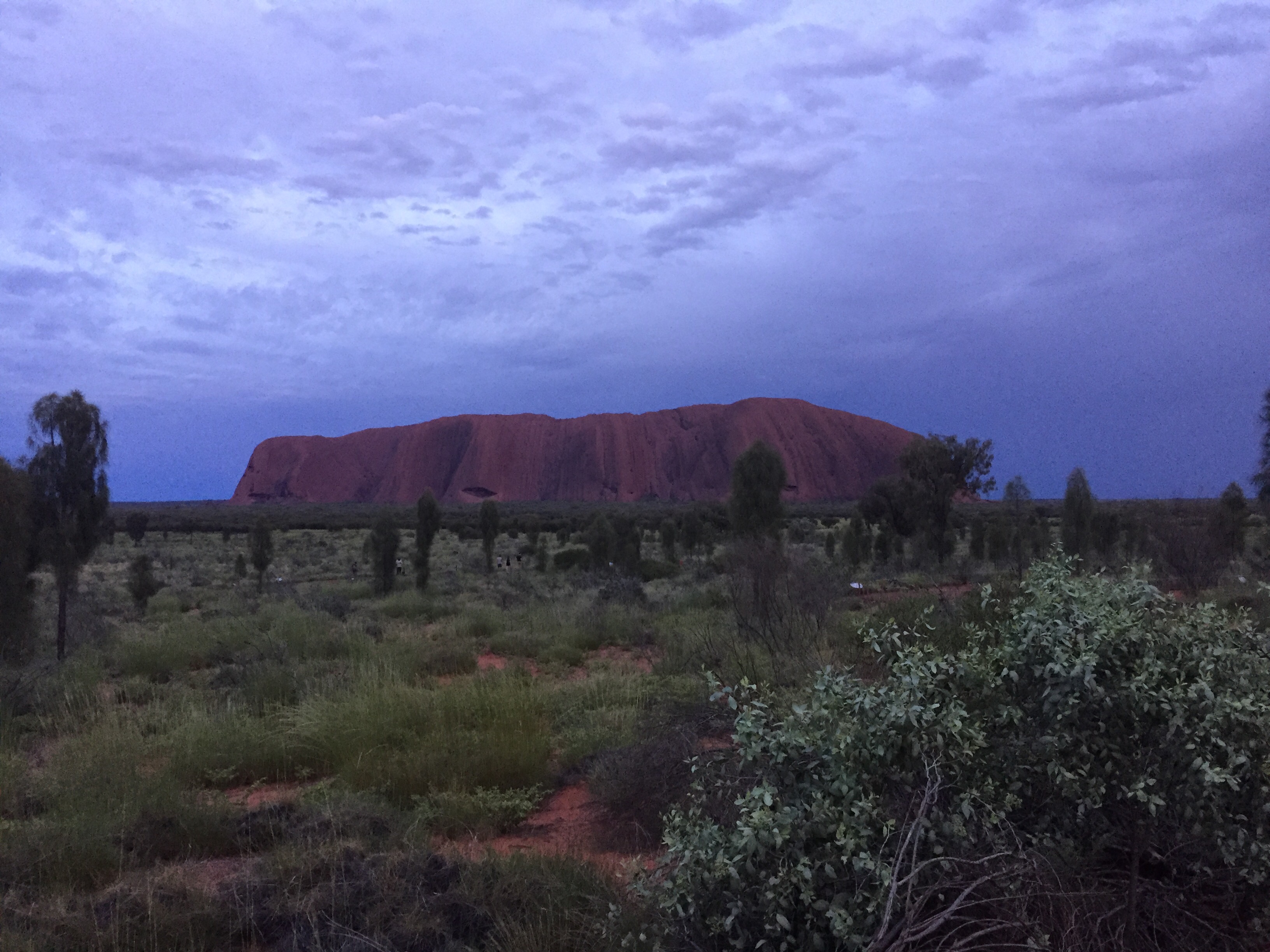
For a period of no more than ten seconds, the sun breaks through the clouds behind us. The body of the great lady of the rock is bathed in red gold… and, to the gasping amazement of those on the platform behind us, there is a rainbow.
My camera is poised. I’m lucky that the iPhone captures the shot, but it does. It’s a very English rainbow. Perhaps the sky knows how to forgive, too…
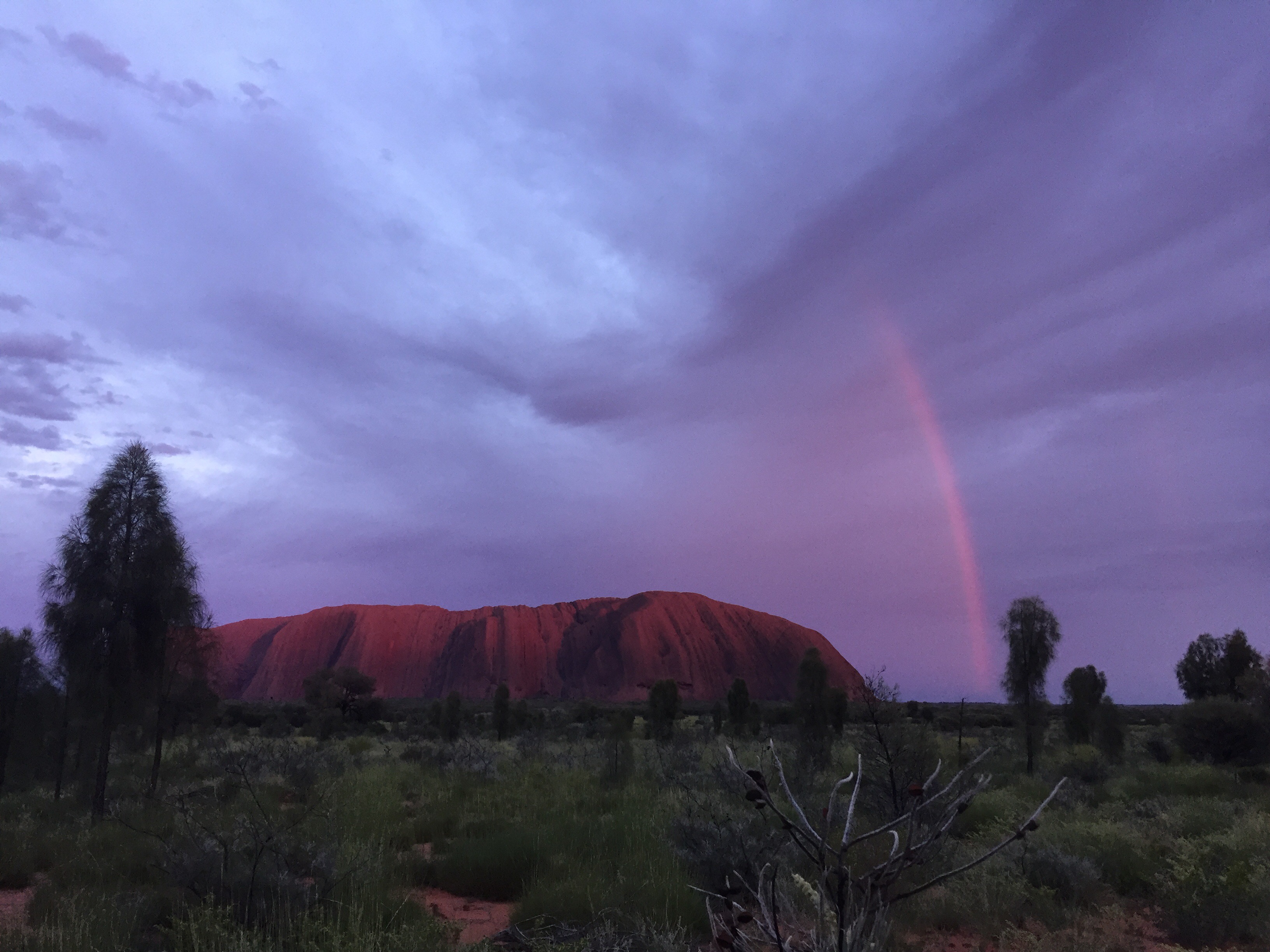
©copyrighted Stephen Tanham 2017.
Share this:

Share this:

“Mama Mala, there is man missing – a tourist. He was last seen with you!”
“Yes, child, I know… the man who asked…”
Sigh…”Asked, Mama? What did he ask? How did he ask?”
“Water flows between the meeting places, child. He asked to see the waters flowing…”
“But he is not of the Anangu people, Mama Mala, he would not understand the ways…”
“He has a kind heart, child. Those with a kind heart can be taught. Our Elders spoke of this in the days when Uluru was young.”
“How do you know he has a kind heart, Mama Mala?”
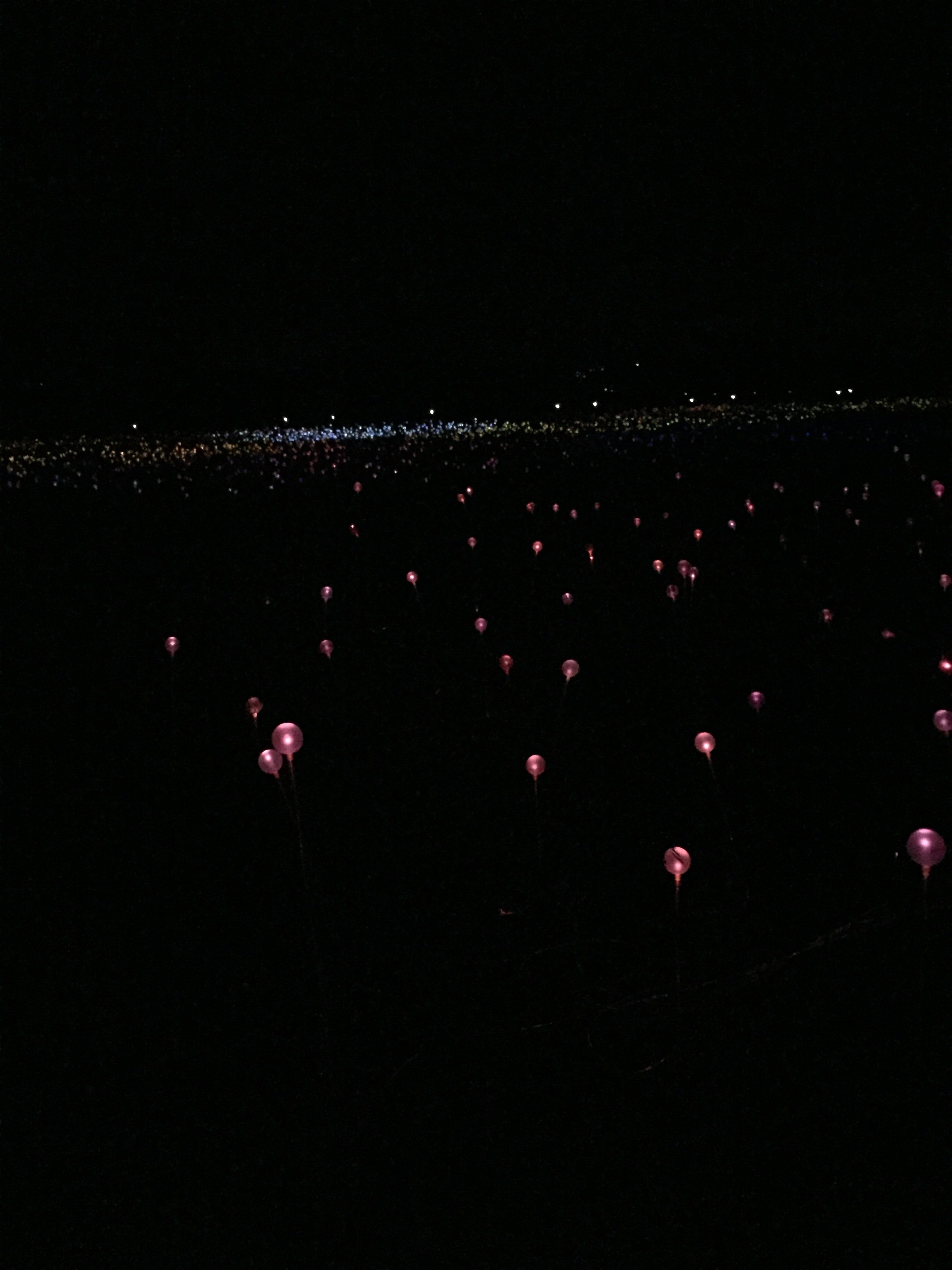
“In the place where I paint the things of Dreamtime, and watch the world, he did not stand over me, as many do; he joined me on the floor and asked to watch.”
“What did you do with him, Mama Mala?”
“I took him to the teaching cave and showed him the hidden things.”
“The hidden things, Mama Mala! But the minds of the pale people cannot digest the hidden things!”
“Hush, child. He did well…”
“He is not ill, frightened?”
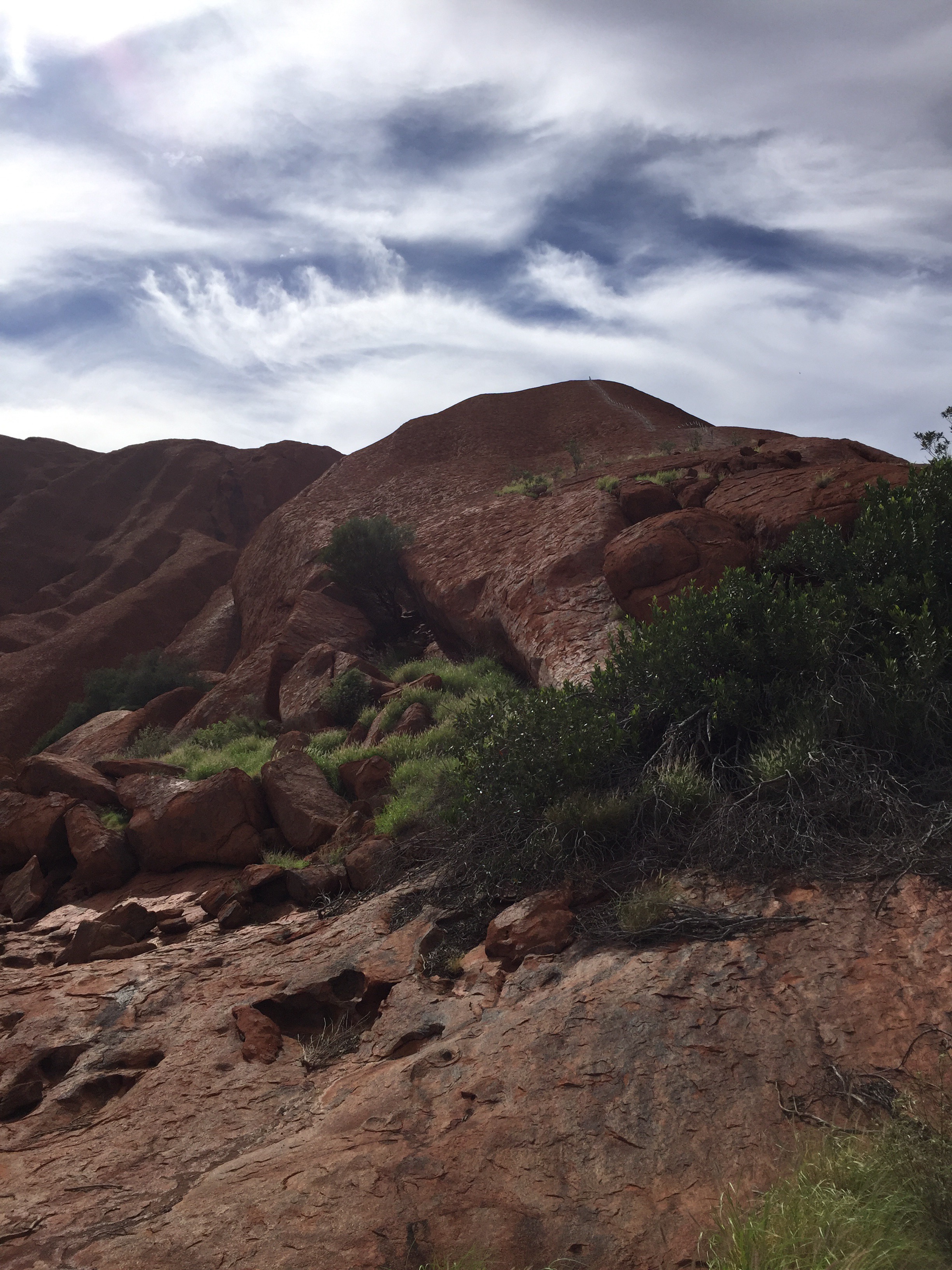
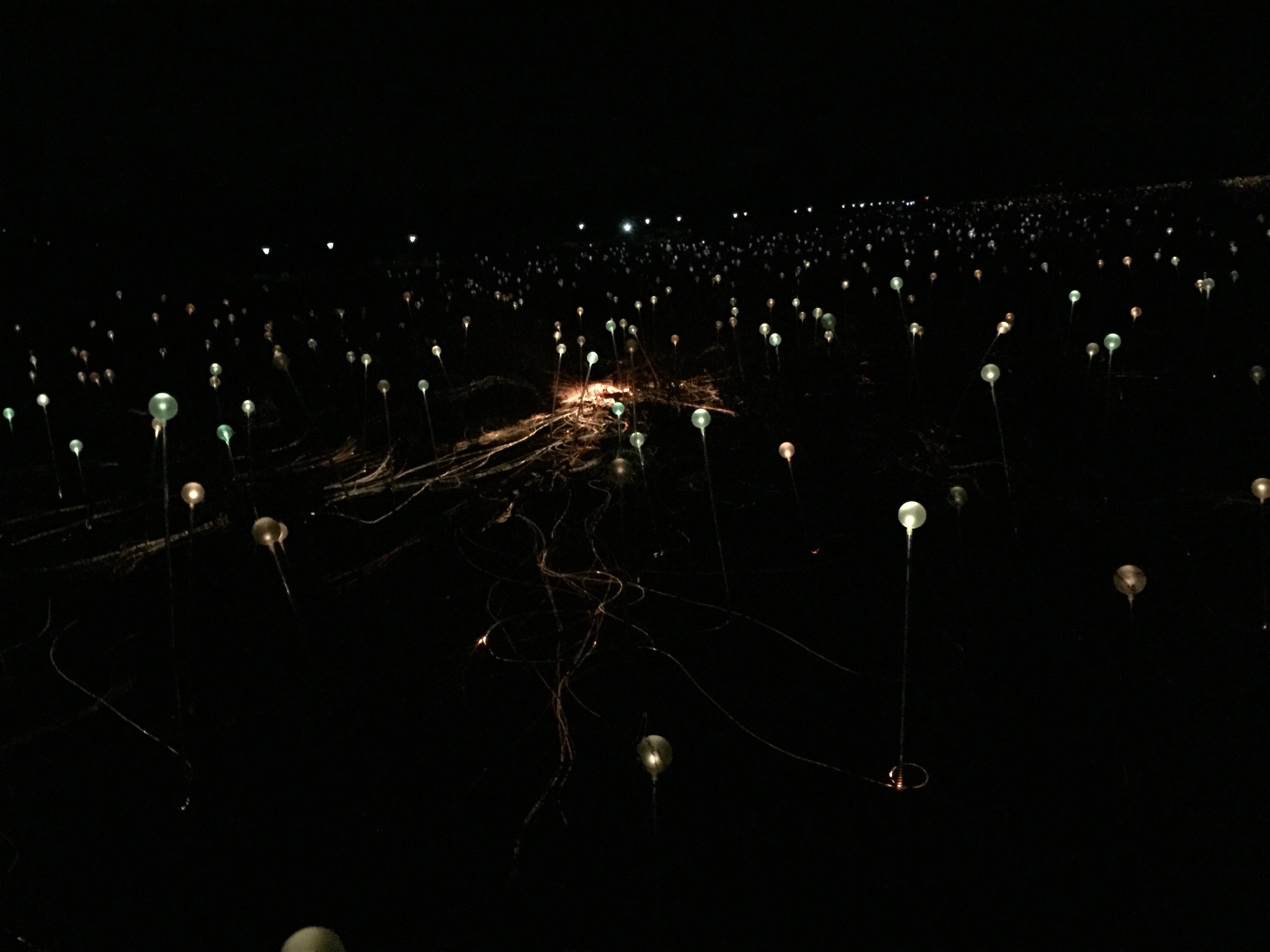
“No, child. He was well guided – through the field of light.”
“He sleeps?”
“No, child… he dreams…”
“Will he be found, soon?”
“He will be found when he wants to be found…”
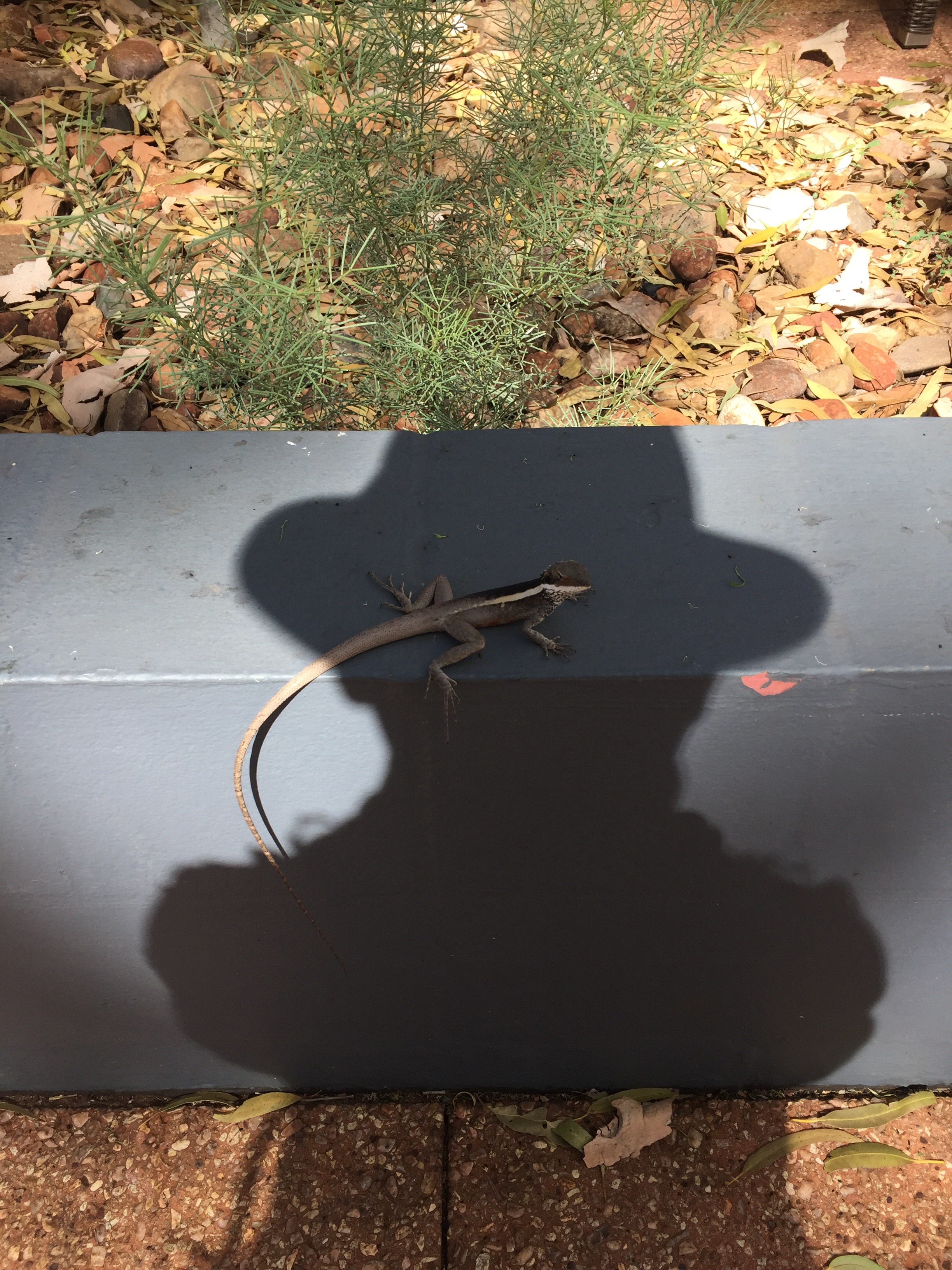
©Copyright Stephen Tanham 2017.
Share this:

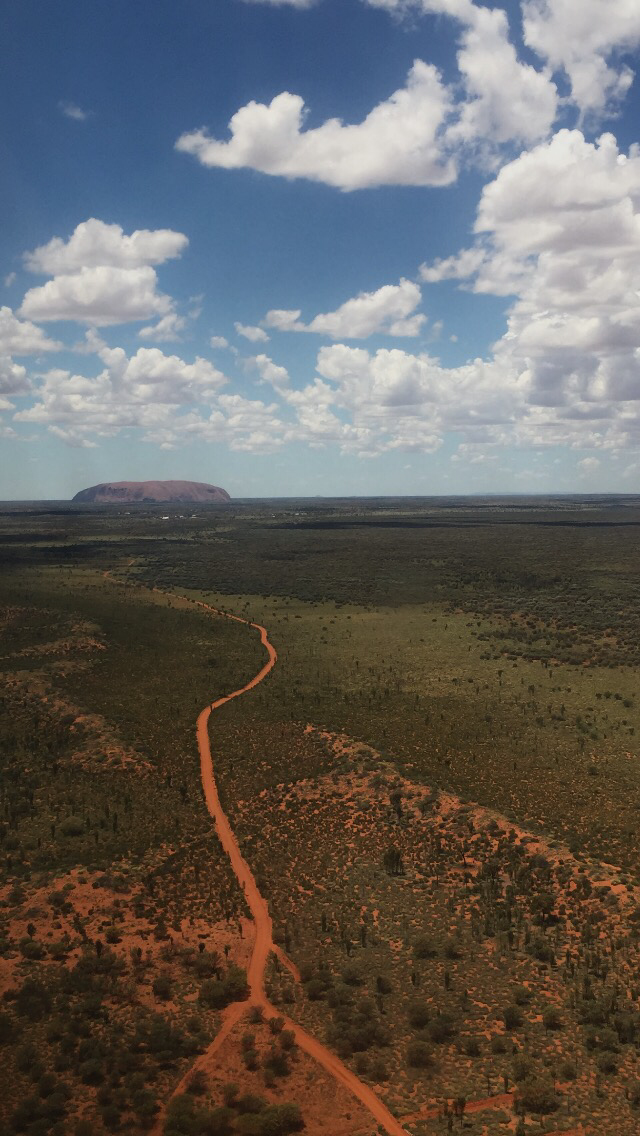
Longitude 131 is the place where Uluru lives. Right in the middle of nowhere…
It’s 06:10 in the morning and the mercury is rising past twenty-eight degrees centigrade outside our air conditioned and life-saving room.
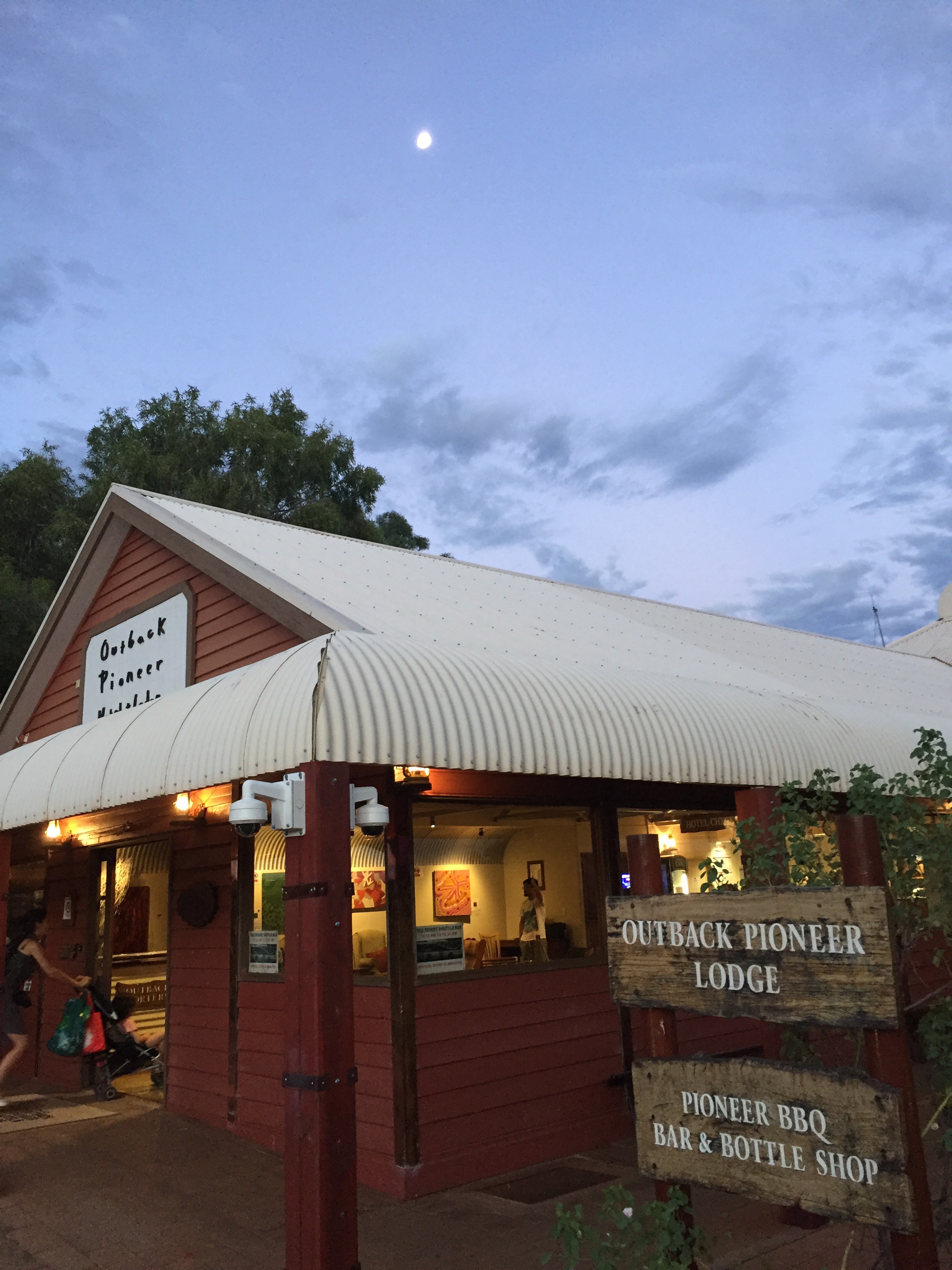
Most of yesterday afternoon, it was over forty degrees. When they bus you in from the local airport, they tell you you’ll need a litre of water for every hour you spend ‘our there’. Out there is Uluru, the largest monolith on Earth; a single rock, deeply sacred to the Aboriginal people, most of whose mass, like an iceberg, is beneath the surface of the rocky desert that forms the Red Centre of Australia.
It is ‘just a rock’ but that doesn’t really describe it. Its presence on the near horizon – if you can get high enough within the small town of ‘Ayers Rock Resort’ to actually see it, is formidable. It changes colour throughout the day and is spectacular at sunrise and sunset.
Apart from the photo taken from the air, I don’t have any others, yet. They advise you acclimatise to the dry heat before you venture away from the resort and into the desert.
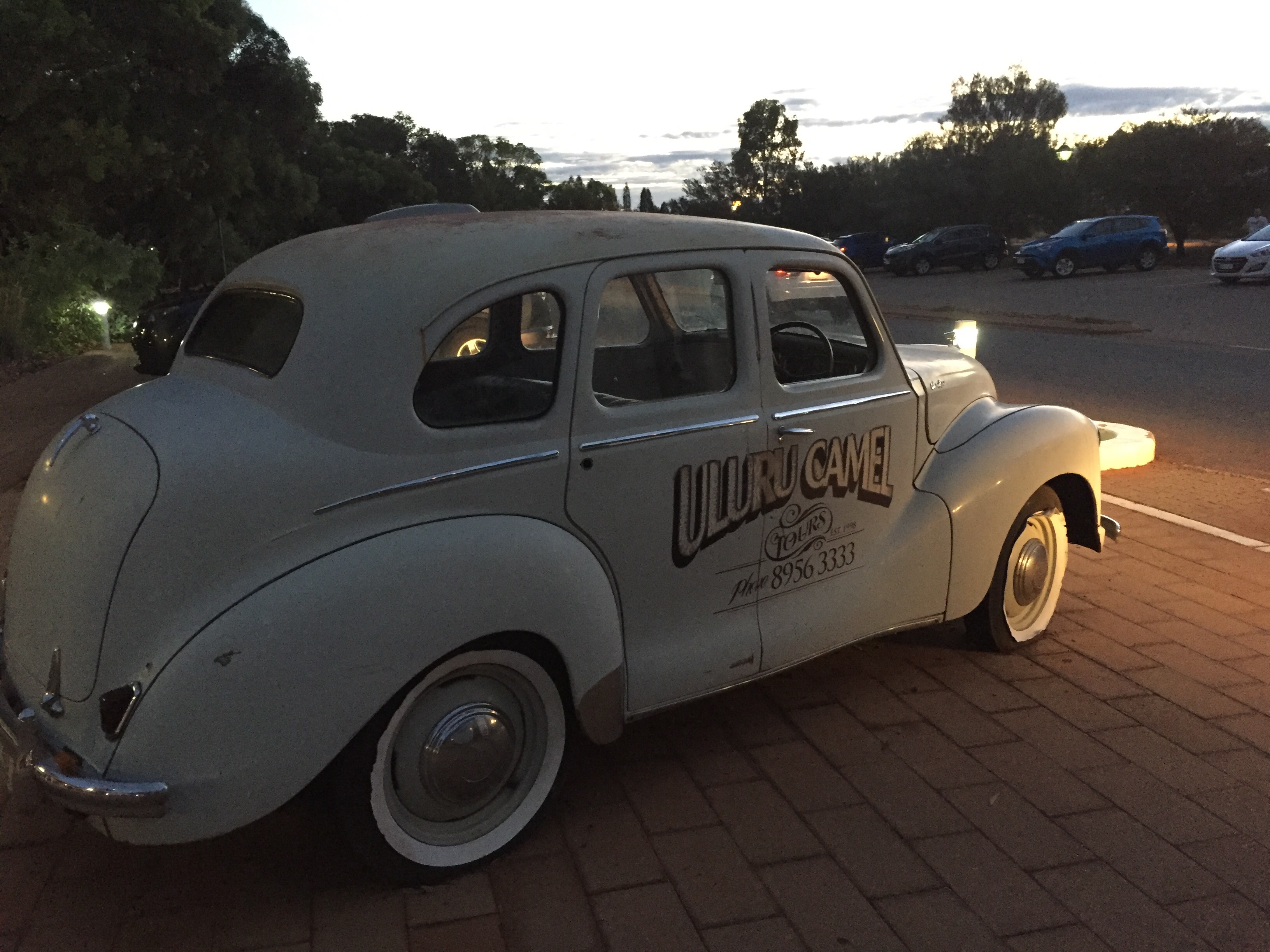
It is a desert, and a fierce one at that. Our progress is slow because young Alice is only sixteen months and we have to be triply cautious with everything we do. Having said that, she’s coping better than any of us grown-ups…
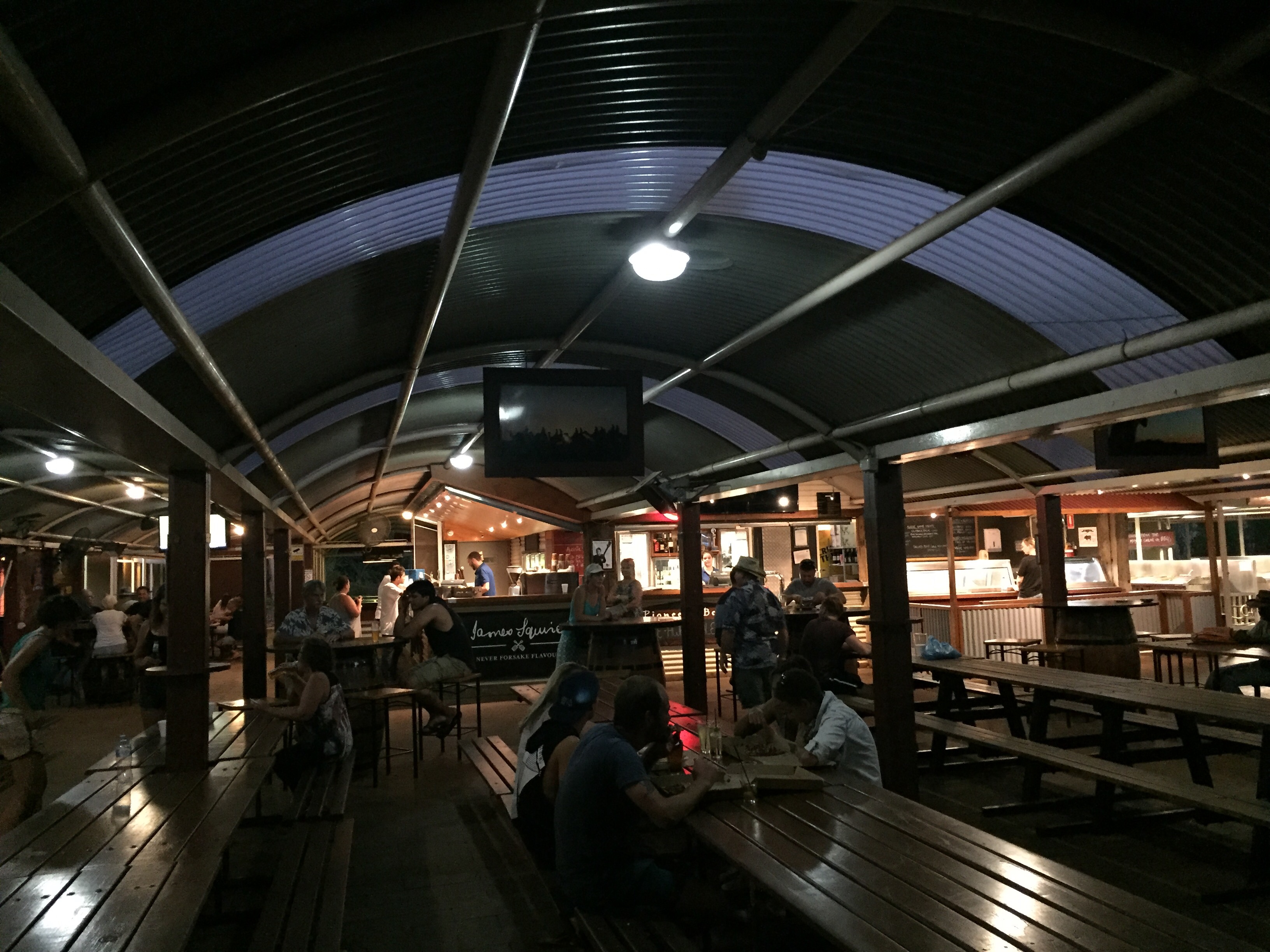
When you step outside, the world changes. The heat overwhelms you in an instant. Even under the mandatory hat, the heat assaults your head, making thinking laborious, and creating shallow breathing as your body goes into survival mode. I’m sure you can get used to it, eventually, but our two nights here is not going to cover it.
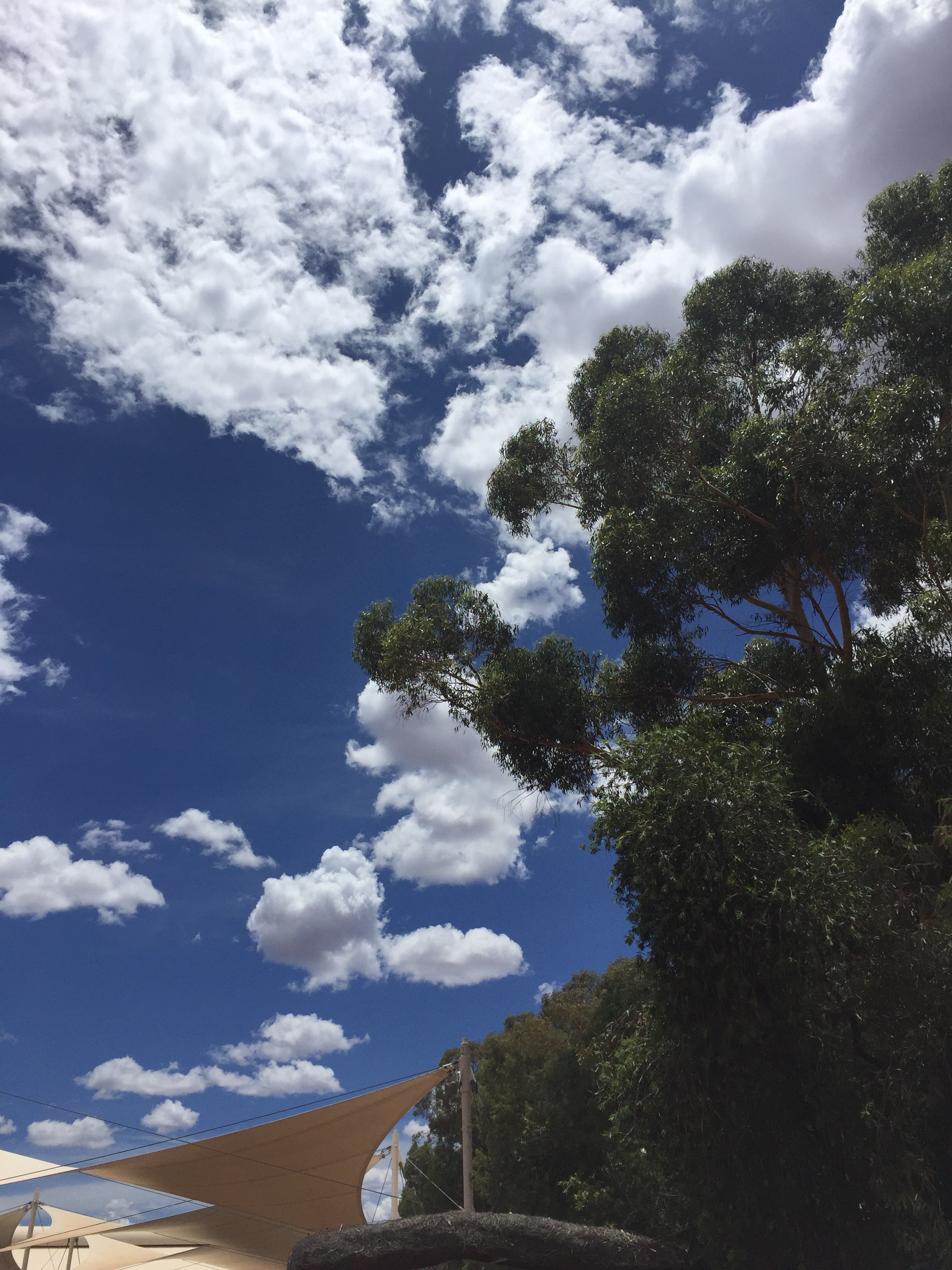
Surprisingly, there are clouds – beautiful white-silver ones. There were even floods of rain in December- a very rare event! The abundant vegetation is the only evidence that it happened.
An hour from now, we get shuttled to the Rock to have our first experience. I look forward to writing about it…
©Stephen Tanham 2017.
Share this:

 The pictures on the wall tell the story – they’re an homage to how the world was in 1954, the year that Pellegrini came to Melbourne and established his iconic coffee bar.
It was also the year I was born, and a small assortment of Italian-owned coffee bars were a favourite haunt of my mother and grandmother when they met, three times a week, to catch up in the industrial but self-proud Bolton of the pre-sixties. It explains a lot… and I remember it, vividly. I also remember how happy my beloved maternal grandmother was when we were in one of those wonderful spaces.
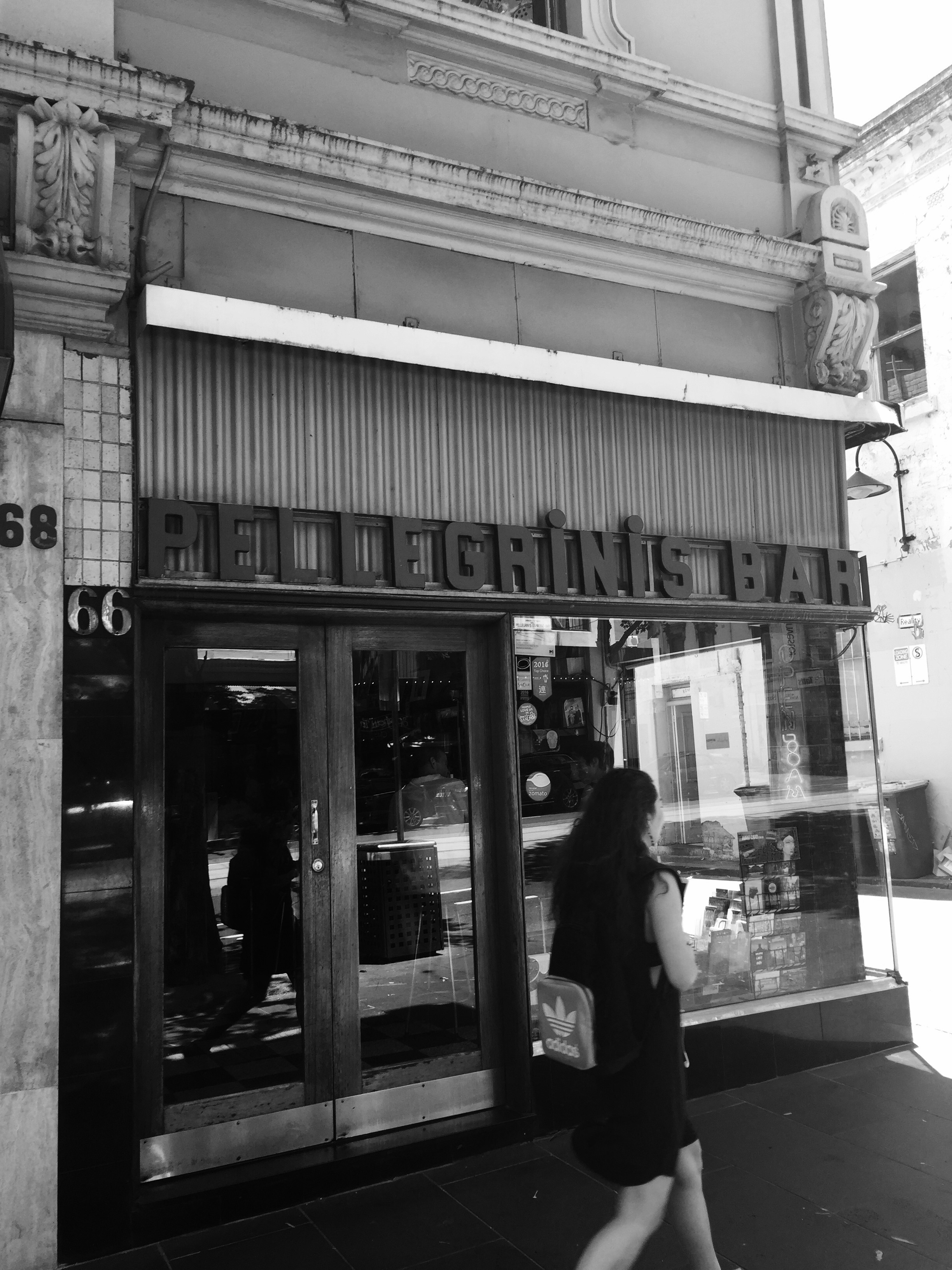
There’s nothing quite like Italian coffee. The taste is a seamless invocation of how the typically-small coffee bars smelled when you entered, taking your place at the counter on one of the plastic-covered bar stools, unless you were lucky enough to get one of the few small tables.
I think grandma had an arrangement with Nonna Tognarelli in Bolton, because we always had a table…
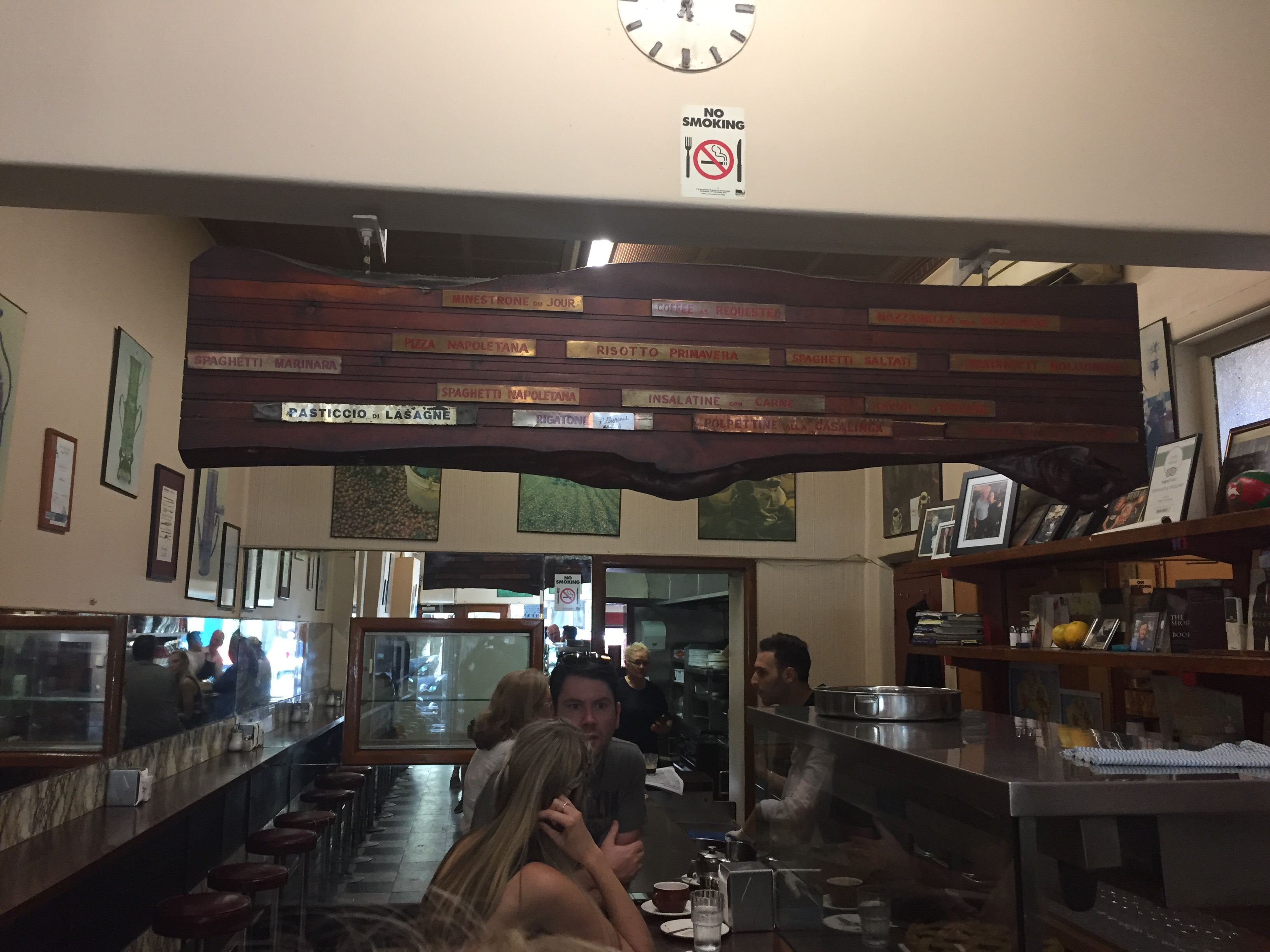
Pellegrinis is typical of what happens to you when you travel Northwards through the inner grid of Melbourne’s CBD – see, I’m getting the hang of these ubiquitous Australian city terms – Central Business District; every major city seems to have one.
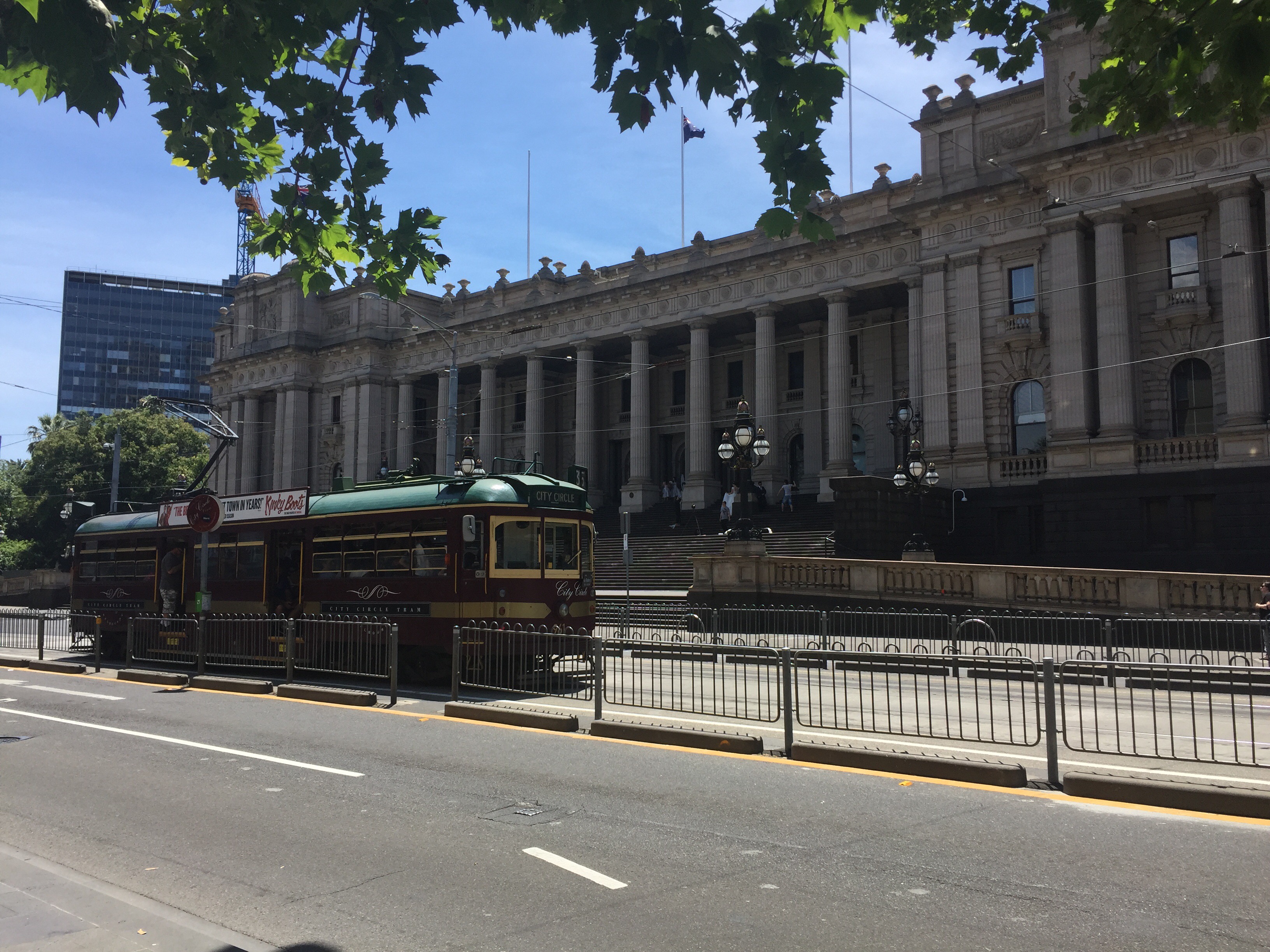
The old and historic tram service will take you, for free, anywhere within the CBD’s rectangle, as will the swish modern ones, which cut across and out, but the former will ensure you stay within the free zone, whereas the latter pose a risk for the unwary!
In the Northern end of the CBD, the shops, bars and cafes become older and much more individual. It’s no accident that the city’s China Town is here, too, with a new version of ‘capsule’ bar stool eating that is reminiscent of Harrison Ford’s furtive meal in the classic film ‘Blade Runner’.
None of this bothers Signor Pelligrini, sitting at the end of his quietly-celebrated bar and having his wife – another Nonna – be part of the occasional tourist’s photograph.

Most don’t, though. They enter, and are immediately sized-up by the quiet and respectful regulars and the genial staff. ‘Are you capable of coffee and quiet?’ their expressions seem to ask…
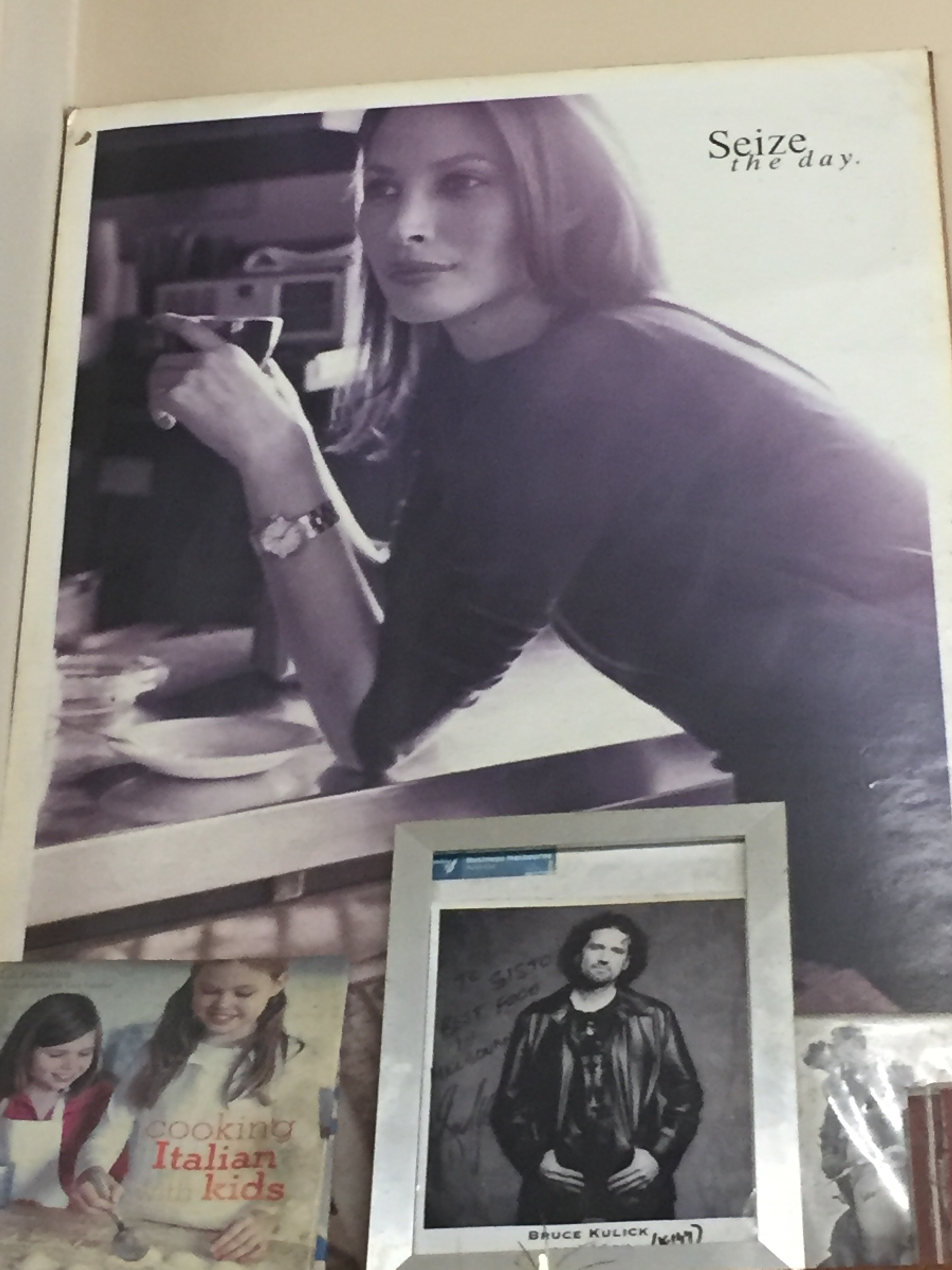
We are, and were. Sipping our coffee and resolving to come back for my first-ever spaghetti bolognese breakfast the morning after… it looked so good…
It’s a pipe-dream. We have to be at the airport to get our return flight to Adelaide, to rejoin the Aussie branch of our loved ones.
‘Seize the day’ captions the elegant lady in what is obviously a favourite image from that quieter and more contemplative era, long gone… We did.
©Copyright Stephen Tanham 2017.
Share this:

Share this:

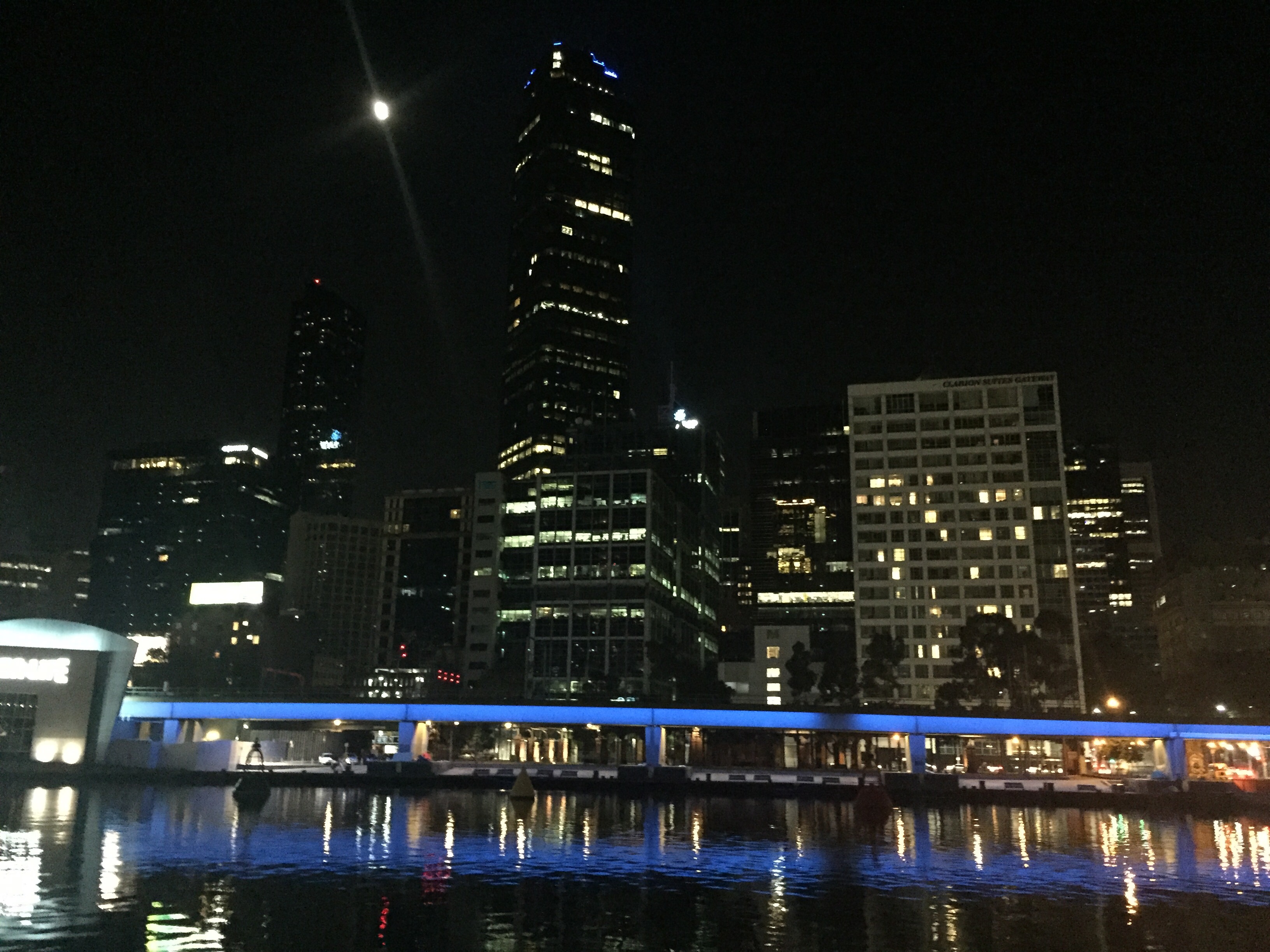
I’m not a lover of big cities. I like to visit, but find little ‘humanity’ in their towering steel and glass trophies that seem to impose conditions of spiritual sterility on us – conditions and expectations that take us away from what we are, inside.
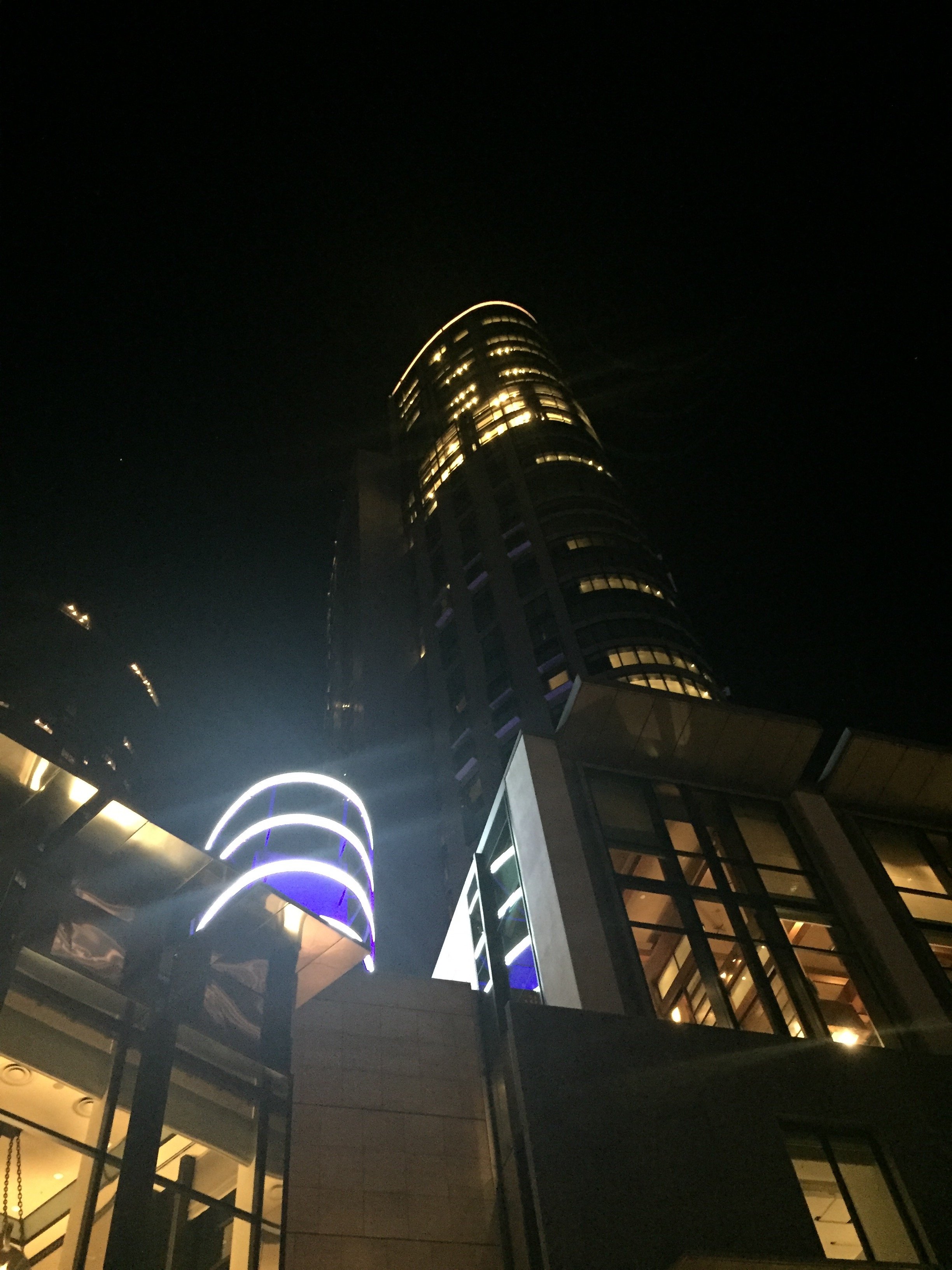
Some cities are able to take advantage of natural features to soften and humanise their landscapes, while still embracing the ‘taller and taller’ ethic of self-satisfied commercialism.
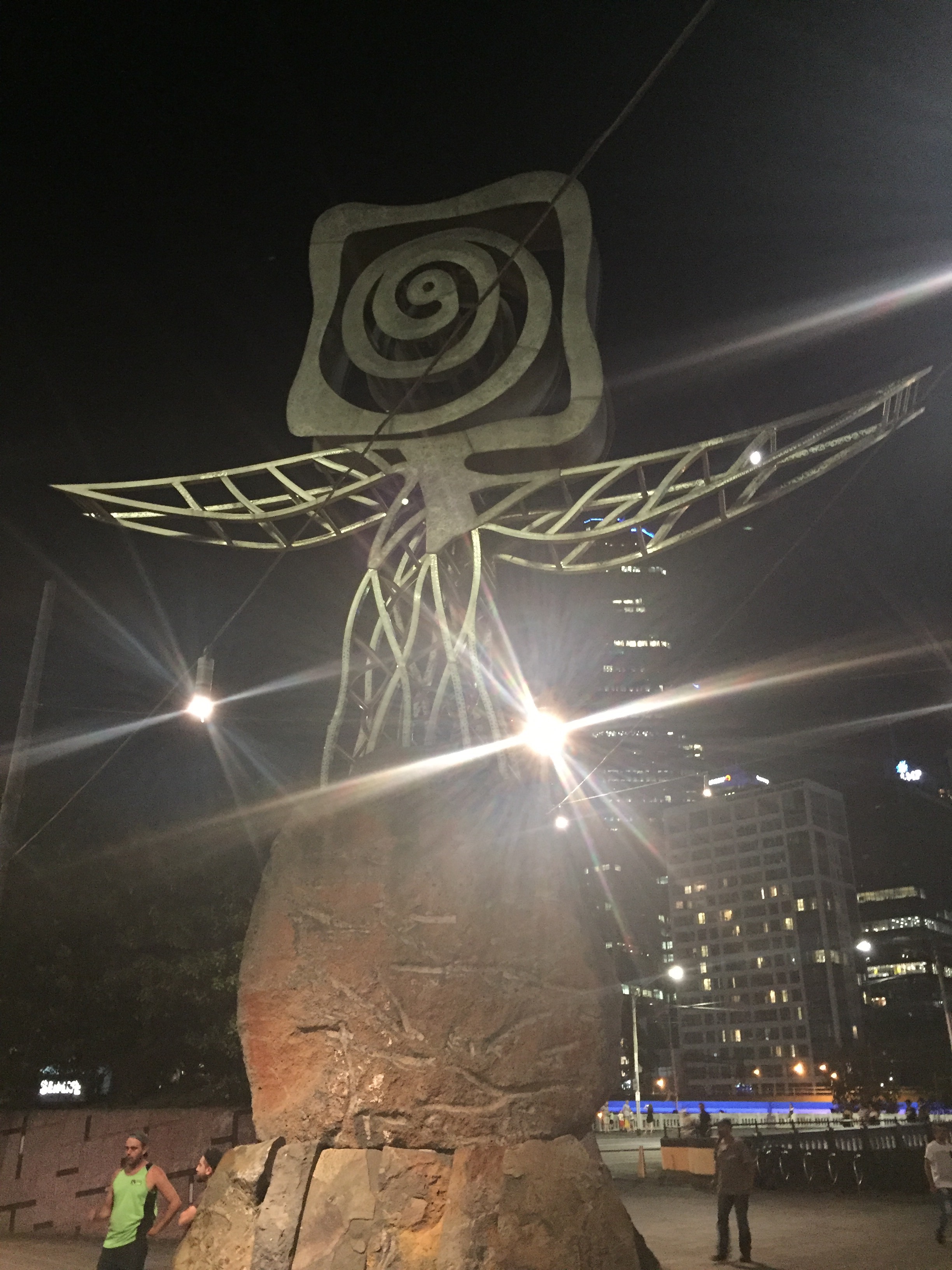
Melbourne is one of the latter, though our brief tour, yesterday, as part of our wedding anniversary weekend, was scant experience on which to base any real conclusions, short of a tourist’s review.
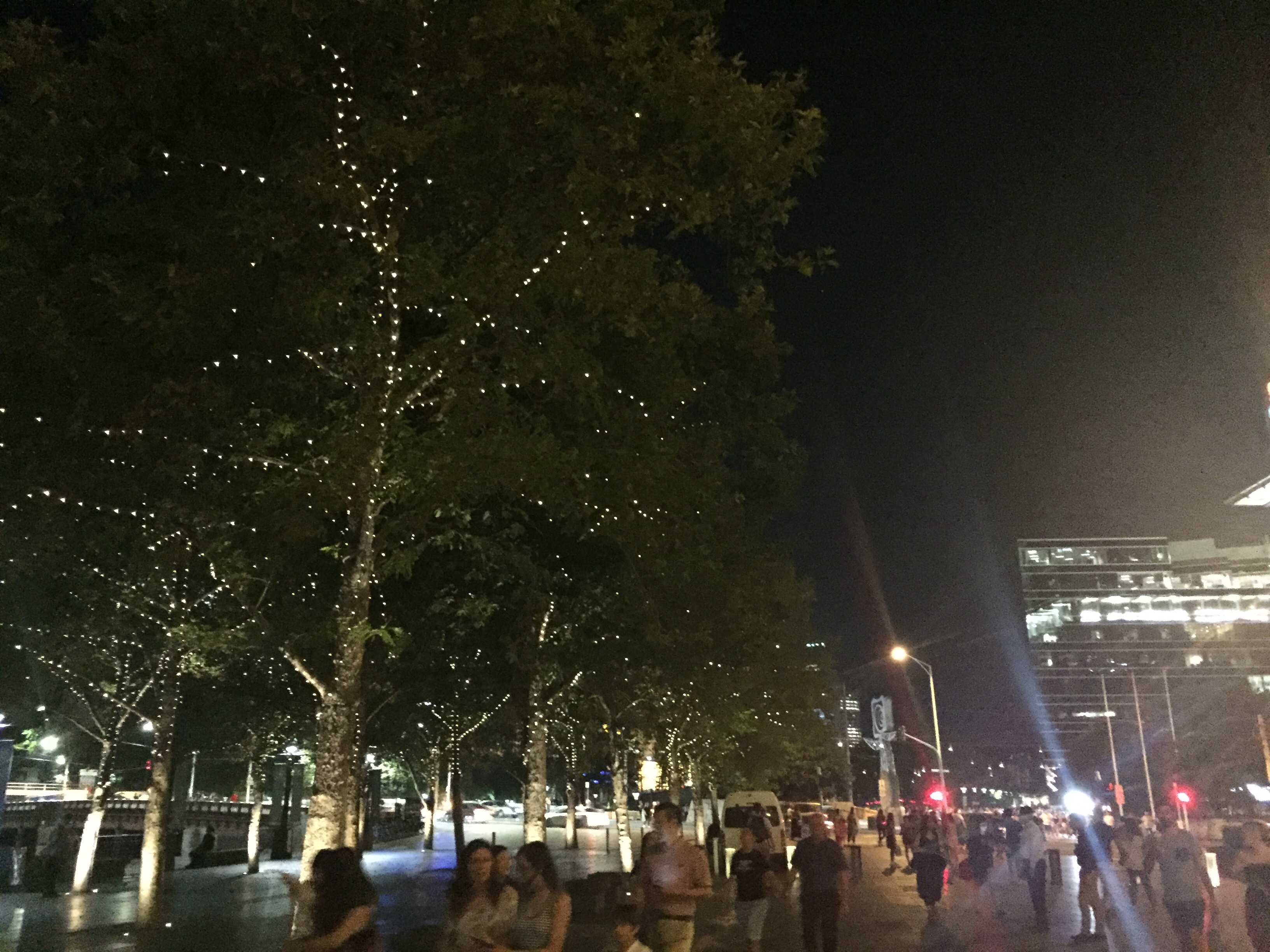
The ‘kids’ and our darling granddaughter of the shining eyes are a ninety-minute flight away, back in Adelaide. We miss them, already; but two days out is not too bad, and we return on Sunday to take them all on holiday to Alice Springs and Uluru, the red rock at the heart of Australia’s ‘red centre’ which has been sacred to the Aboriginal peoples for millennia.
Like the world of the Druids in ancient Britain, albeit it seen through modern eyes, I try to gain some insight into the the relationship between the land and the people it produced, while travelling.
More of that later in our personal adventure; for now, Melbourne offers everything you could want within the limitations of a city ‘machine’.

The south bank of the river Yarra is lined, for at least a kilometre, with restaurants. It’s a party riverbank, and delightful, if expensive, to the post-Brexit Brit!
Australian rates of pay are good, so the cost of living is balanced out for the locals; but expect a shock if you’re a traveller…

North of the Yarra, the old city is bounded by a square created by a ‘tube-like’ metro rail system, very much like London’s old Circle Line. Within this rectangle, criss-crossed by a modern tram network, lies the history of the state of Victoria’s capital, where the old town is cherished and celebrated.
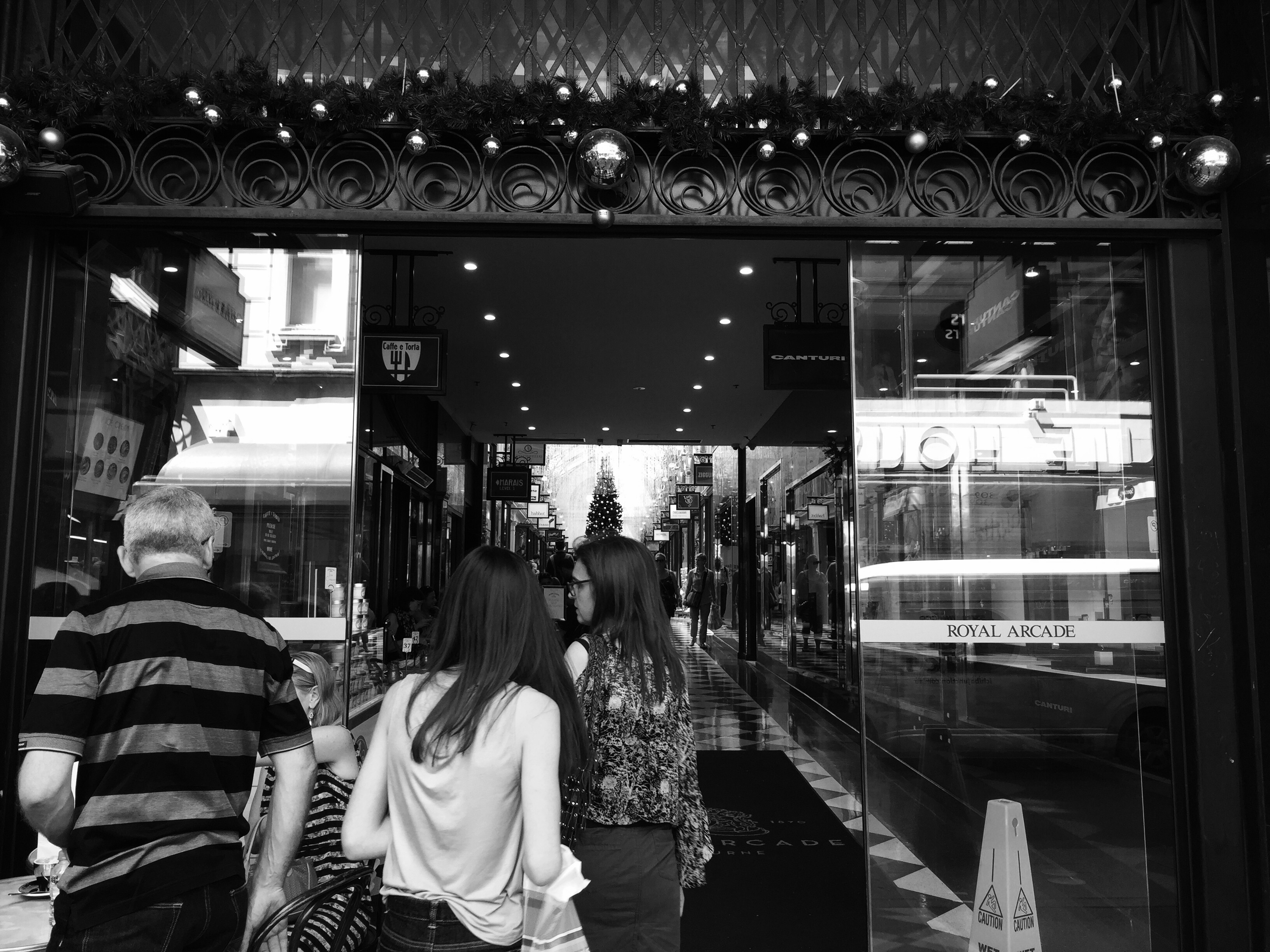
The ‘Lanes’ are arcades that cut through the main streets, reminding you of a Chandler-esque time, when great writers and their private detectives or villains would hover for coffee and cake… I’m in the wrong country, I know, but I don’t know Australia well enough to make the indigenous comparison. The lovely and friendly natives of this city will forgive me, I hope!

There’s a ‘but’… There’s often a ‘but’.
It’s forty degrees out there…
And a day-full of British energy leaves you like steam off a hot plate in about half an hour.
Another coffee and cake, then? Well, it is our anniversary…
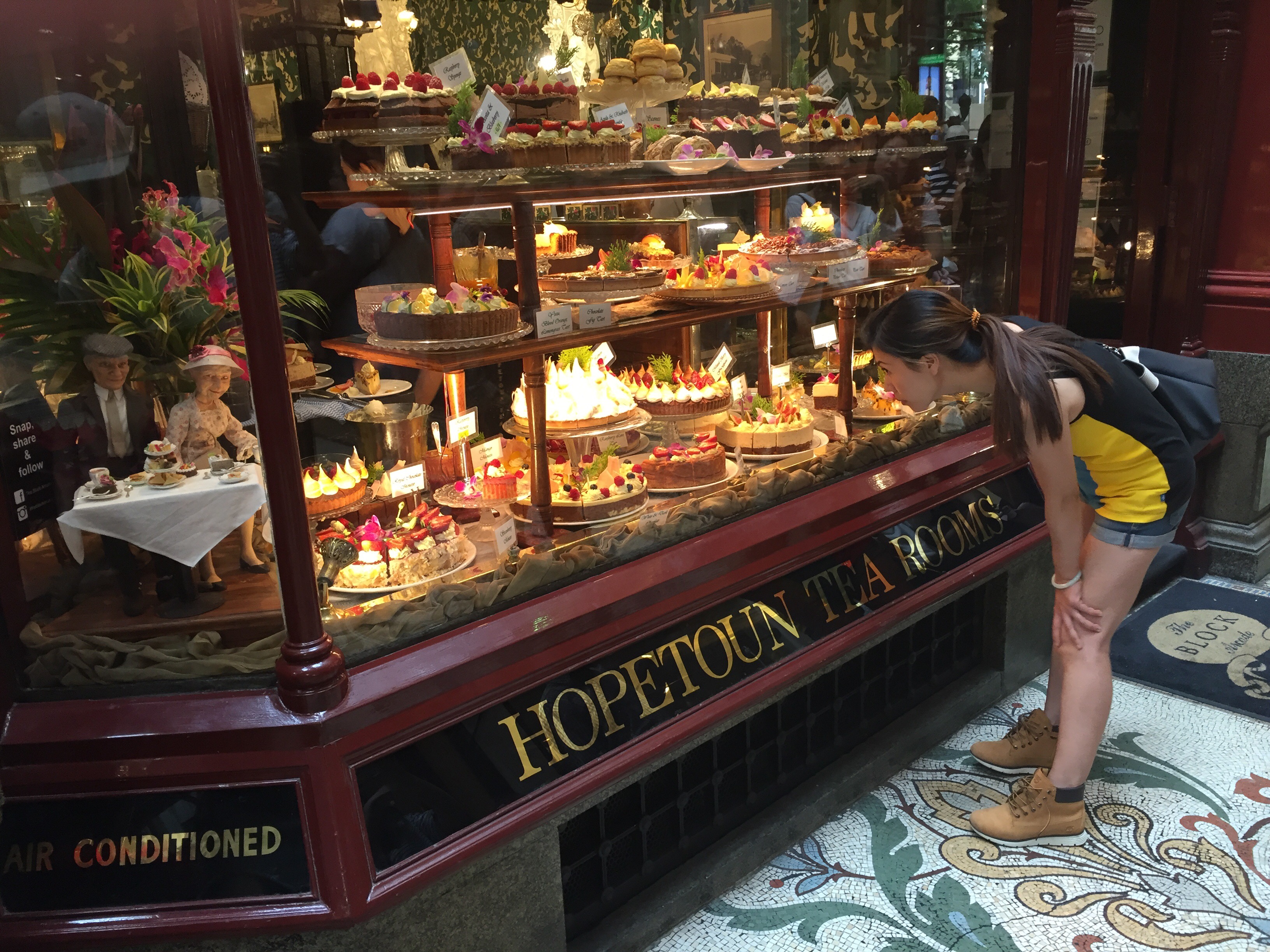
©Copyright Stephen Tanham 2017.
Share this:


I had wondered what the ‘experiential chord’ would be on this trip; arriving for the first time in this vast continent of Australia to spend most of January with my eldest son, our daughter-in-law, and our granddaughter, Alice, now sixteen months old.
‘Experiential chord’ is how I think of what experience does to you–for you, as it assembles the parts of what’s happening into a purposeful theme; much as a guitarist puts together multiple notes to create a chord, which has power and harmony combined, and makes the perfect basis for the song to be laid over it.
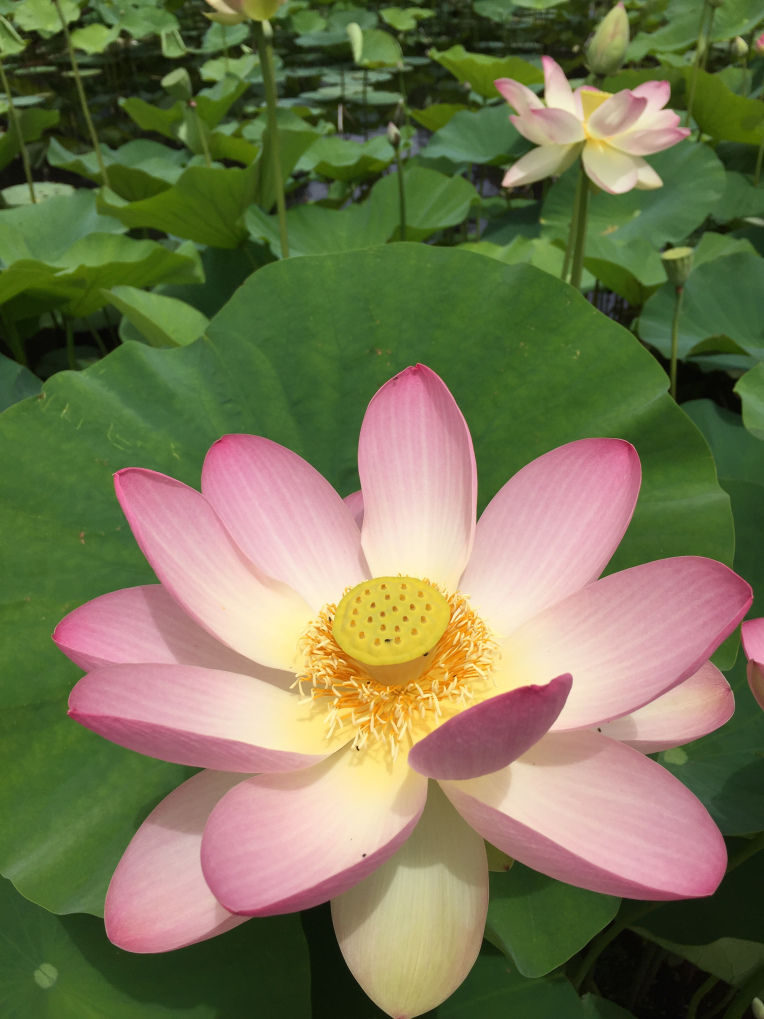
The song, in this case, is a very unexpected lesson in the soul’s perception in the physical world. The chord is an unfolding of day by day delight in seeing a young soul come to terms with her relationship with her universe: full of newness, full of wonder, full of Being-in-the-moment.
In…
View original post 736 more words
Share this:


 *
*
Guard your tongue in youth,
and in age you may mature a thought
that will be of use to your people.
– Big Chief Wabashaw
*


 Sun in Gemini
You must be logged in to post a comment.