by Steve Tanham

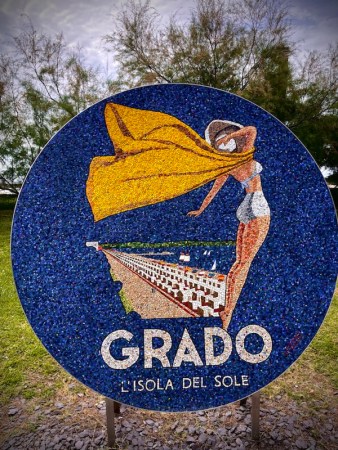
For somewhere I’d never heard of a few months ago, Grado – l’Isola Del Sole- has made a big impact.
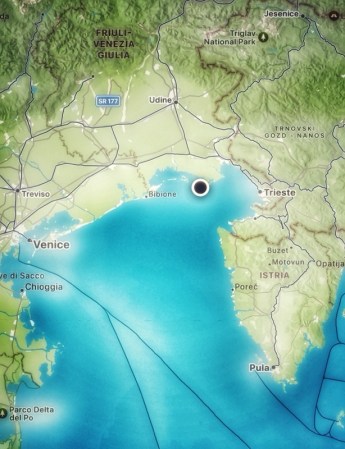
This ‘island of the sun’ sits in the upper arc of the Adriatic Sea: the ocean that links eastern Italy with its neighbours, Croatia and Slovenia.
Trieste, that ancient meeting place of east and west, lies some fifty km to the east, and can be reached by boat in 90 minutes.
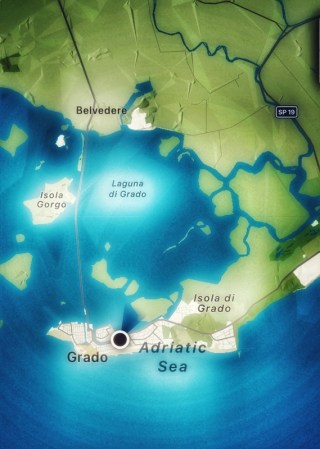
Technically, Grado is only just an island. A long causeway links it with the mainland of Italy. Venice is an hour away by train plus a 30 minute journey by bus from the nearest station.
It’s worth the effort…
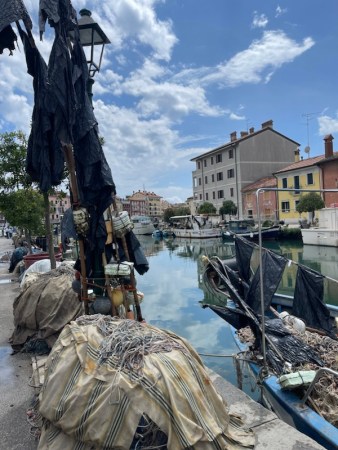
We’re on foot, of course, as explained in the previous blog post. It’s brought us much closer to the experience of the region’s beautiful lakes and people, but can prove costly to ‘soul and sole’ on a hot day when two smaller cases and a large one have to be manhandled onto train and bus in unkind heat…
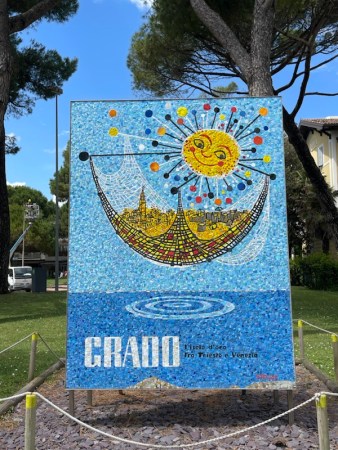
The opening image, which delves back into the island’s ‘Belle Epoque’ 1900’s past, made me smile when I thought of the pun on the more weary aspects of ‘journeys by foot.’
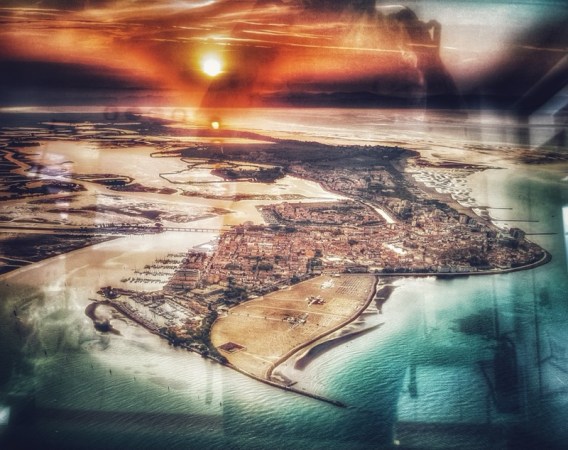
The local fame and fortune of Grado was sealed by it being the favourite holiday destination of the Hapsburg dynasty’s royalty, who ruled a mighty region of Austrian and southwards until the disaster of the First World War, after which they lost this beloved land as territory, leaving them without a sea border.
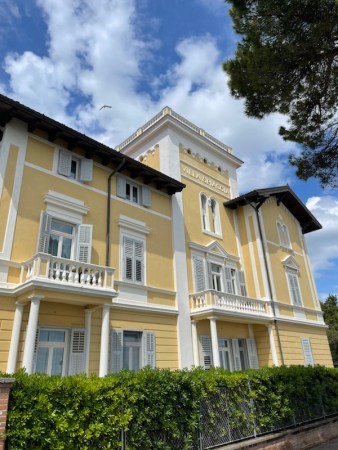
By the end of the war, in November 1918, Austria-Hungary no longer existed as unified entity – at the expense of Italy’s reclaiming of the coastal regions up to Trieste, which completed the longed-for reunification of the Italian state.
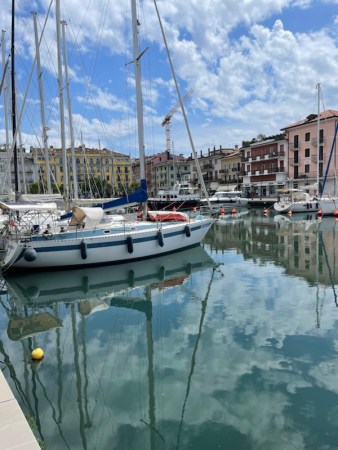
Despite this, when you arrive in Grado, you get a shock. The most common spoken language is German. Restaurants and shops all open their dialogue with German; switching to Italian or even English once you respond.
The German speakers are mainly Austrian. The drive to their former coast is now a matter of a few hours and they come in droves, from May onwards. It’s a lesson in how older cultures form deep patterns in our lives, and affinities remain.

I’m a beginner in Italian, though I am plodding through the excellent (and free) Duolingo online course, in which you do a few minutes per day.
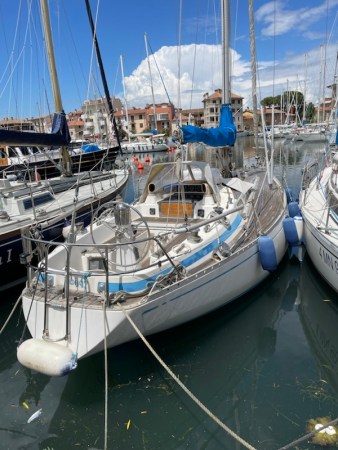
Many years ago, I worked for a German computer company – Nixdorf, from Paderborn – and they paid for a few of us to have language lessons from a private tutor. After two years, I was the only one left in the class. Much of it remains in my memory, and comes in useful on these occasions, though I always start off rusty.
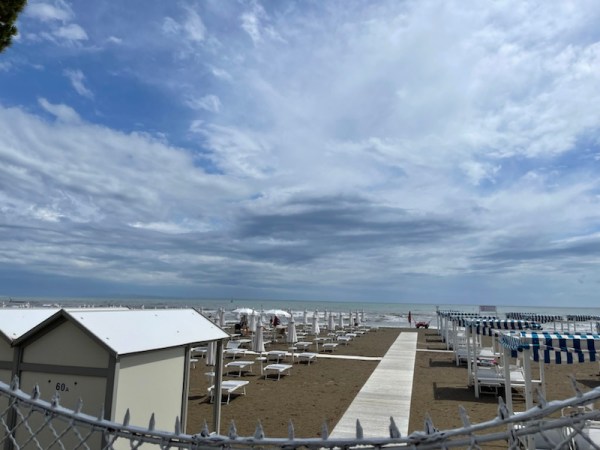
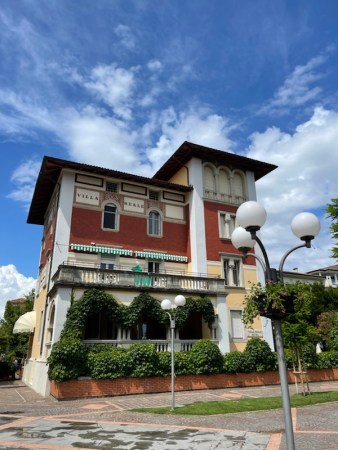
So now it’s time to let the Grado visual postcards speak for themselves. The shots to here are as taken, those that follow are the subject of a lens-art approach.
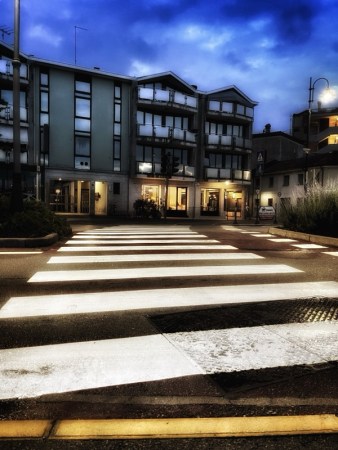
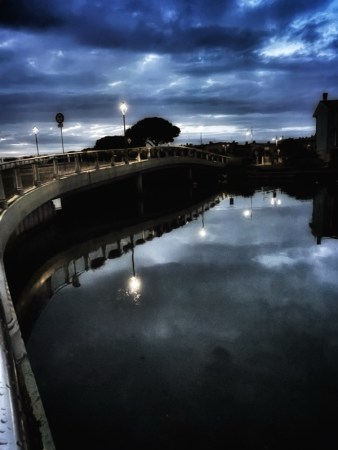


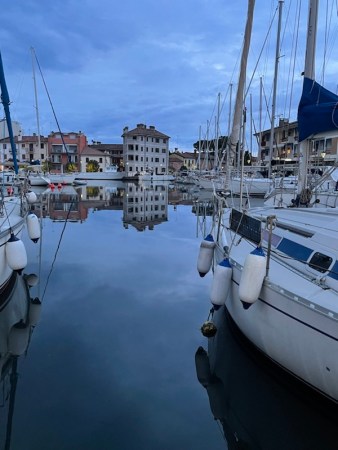
Grado has been one of the highlights of our trip. Our adventure of Italian exploration is now coming to an end. We will certainly return to this place when we get the opportunity.
The concierge of the hotel summed up Grado’s significance when he said: “It’s truly a meeting place and a melting pot for both culture and language. As such, it’s a very modern place in an historic setting…”
We couldn’t agree more.
©Stephen Tanham 2024
All photos taken and processed on an iPhone 12 Pro.
Stephen Tanham is a writer-photographer and mystical teacher. He is the founding Director of the Silent Eye, which offers a free monthly Zoom-based gathering of companions, each one on their own, unique journey to deeper states of self-realisation.
Contact: stevetemeq@gmail.com.


 Sun in Gemini
This island looks charming. The history is very interesting! I was raised in a German speaking family so it comes back to me when I hear the language, although I have forgotten much of it. You are having a super holiday.
LikeLiked by 1 person
We’re having a great time, Darlene. Bernie has done a superb job of building us a ‘non-packaged’ trip. Grado is very beautiful and friendly. Add it to your list!
LikeLiked by 1 person