by Steve Tanham

 Bézier is a beautiful city. It was established five hundred years before the Christian Era and thrives today.

Roman amphitheatre excavated

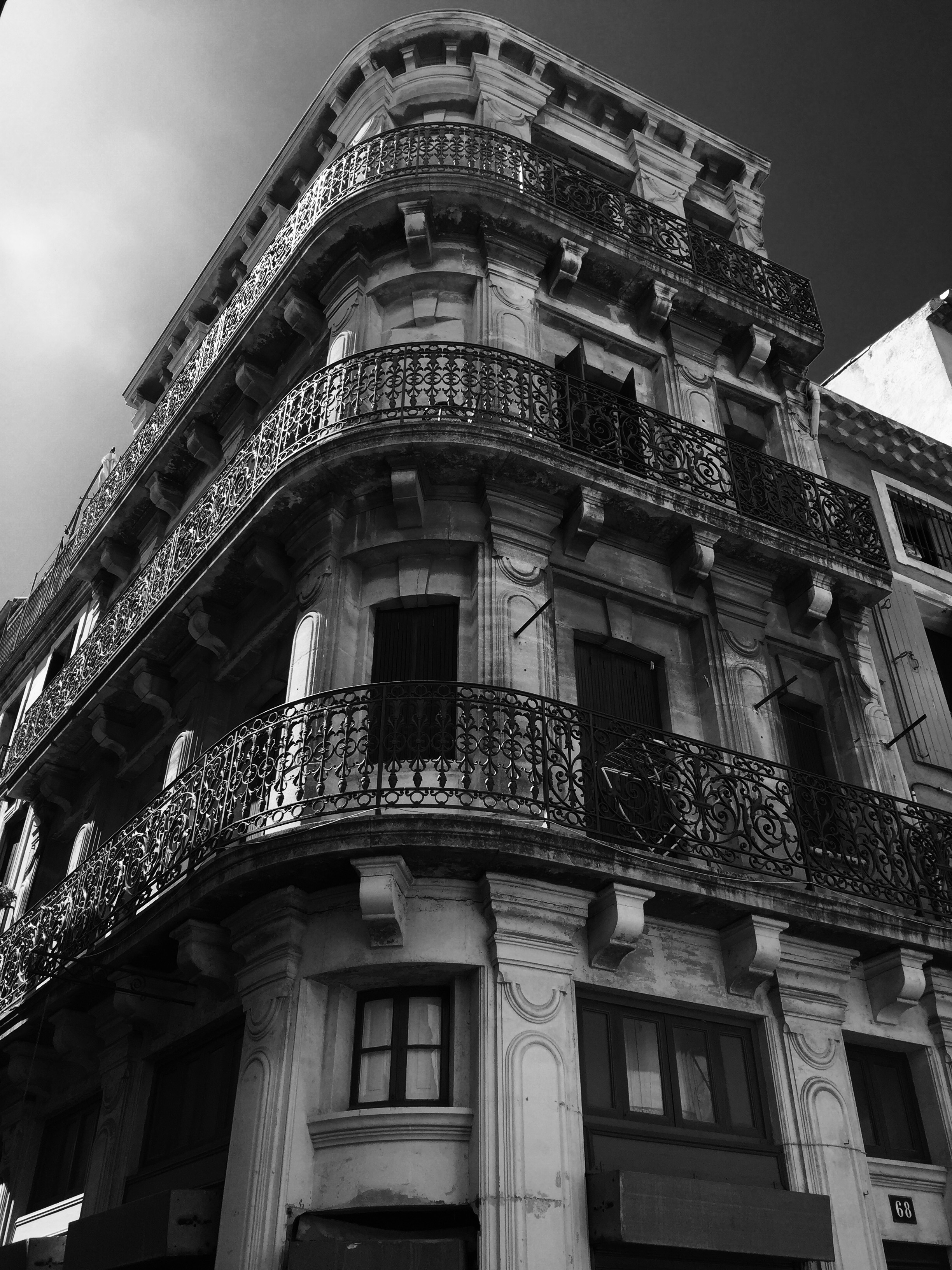
modern Bèzier
It is also the city where in 1209 an entire population of Cathars and non-Cathars were put to the swords of Pope Innocent III’s Albigensian ‘Crusaders’, including Simon de Montfort, because of their strength of belief in a living Christ capable of manifesting in an individual’s life, rather than via a Church hierarchy.

For the Cathars to die as they did shows they had already found their answers.
It is not for us to judge, simply to reflect on their courage, and the value of the ‘truth’ they had found.
Modern Bézier faces its own challenges. It is a multicultural city in a hot place. It lives in an agriculturally dominated landscape, yet has technological ambitions. It is on the main route between Italy, the Côte d’Azure, and the Atlantic ports of south-west France and Basque (Catalan) Spain.
 It is also host to one of the most important sections of the Canal du Midi – commemorated (below) in a famous painting to celebrate its opening in May, 1681 – over three hundred years ago.

The great architect of the Canal du Midi, Pierre Paul Richet, was a local man and is celebrated in a huge statue in one of the main boulevards.

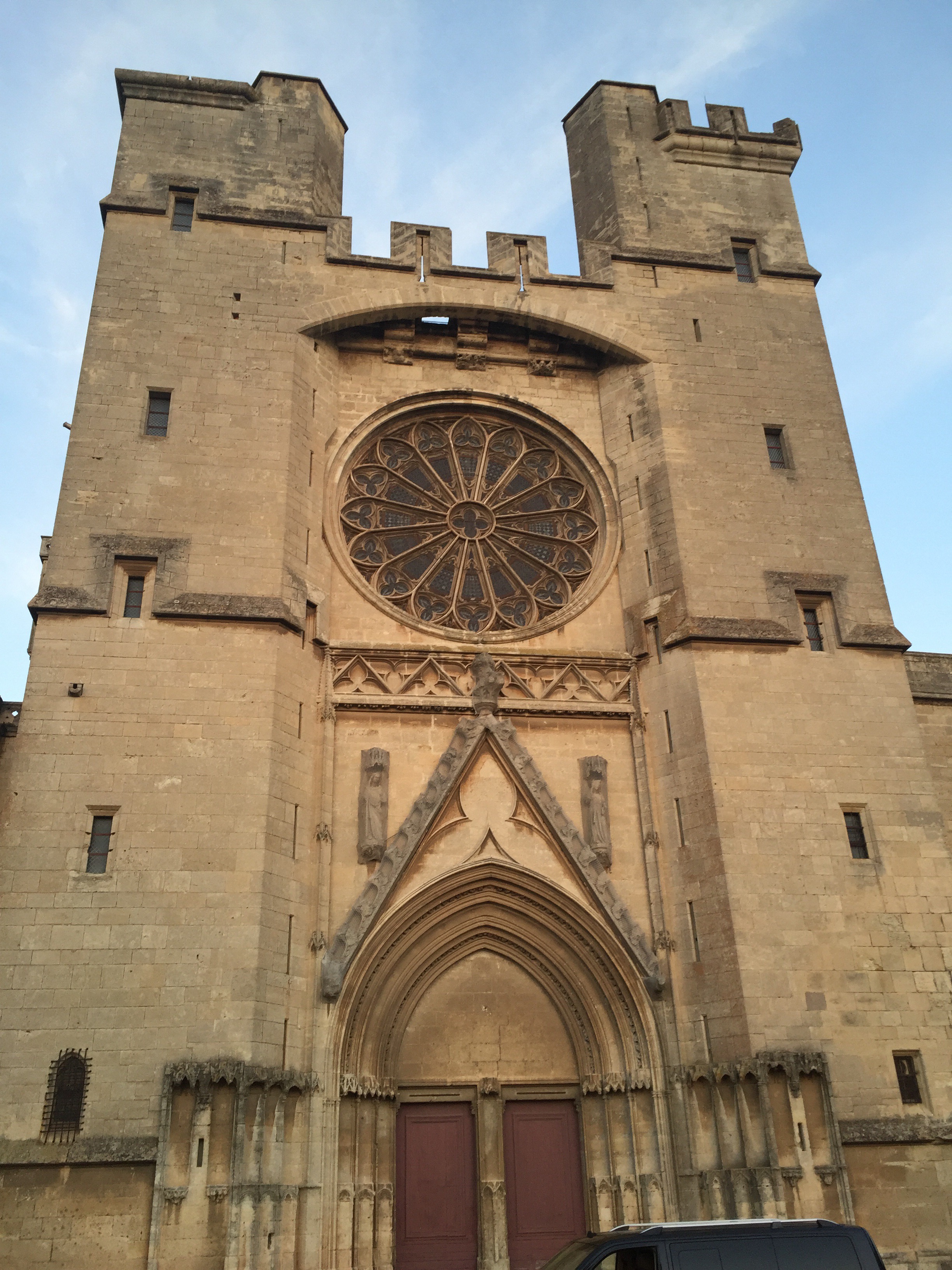
The heart of the city is a place of contrasts. The scene of the 1209 massacre, the impact of the Cathedral of St Nazaire on the visitor is immense… And yet it is a place of obvious humility. Work on the building was begun in the eighth century.

The first thing that strikes you about the Cathedral is its accessibility. This was built to include people, rather than awe-inspire them. Of course it does both, but in a way that invites.
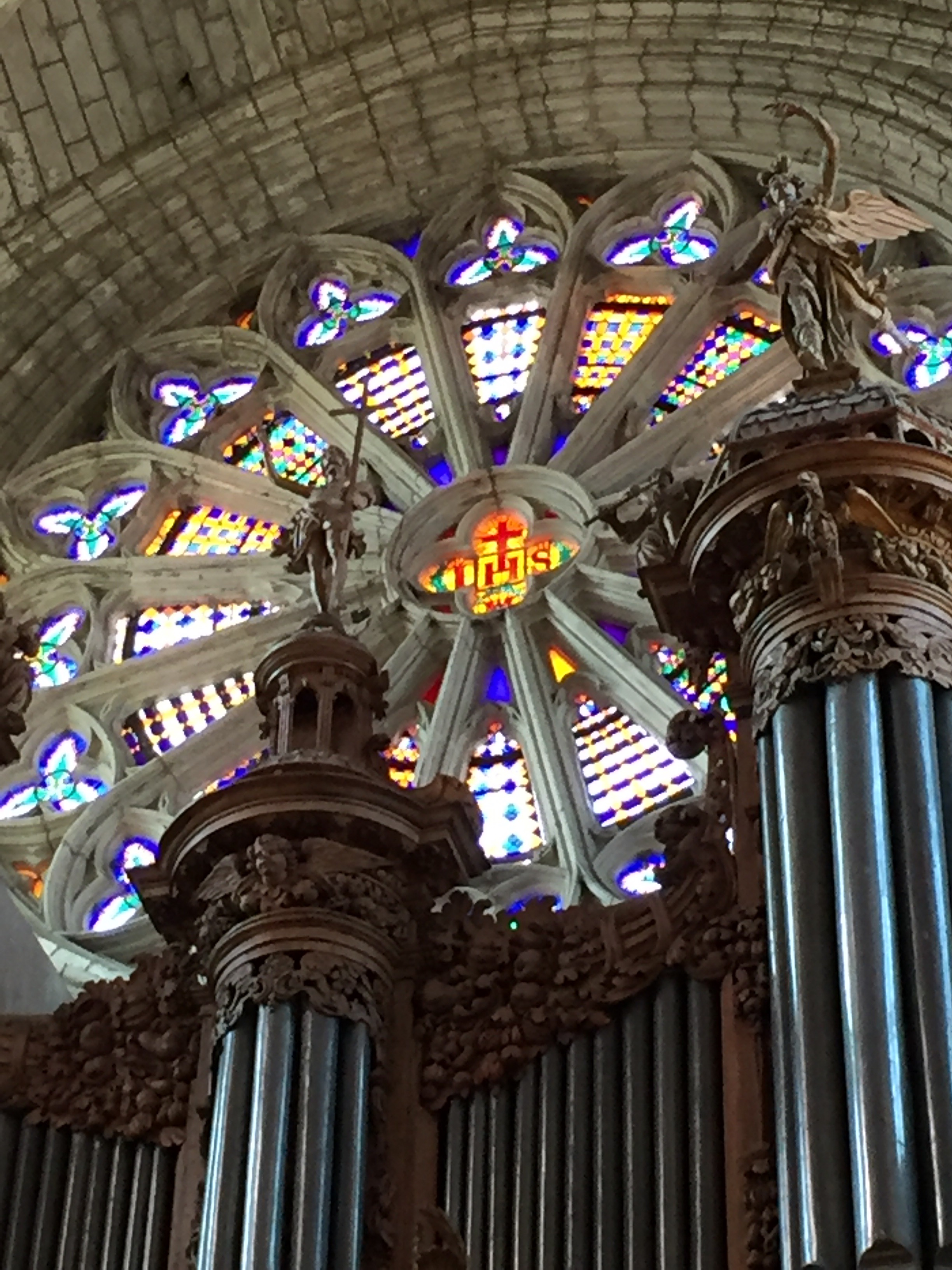
The famous rose window in the west, which sits above the huge organ, and receives then fading light of the sunset, is magnificent.
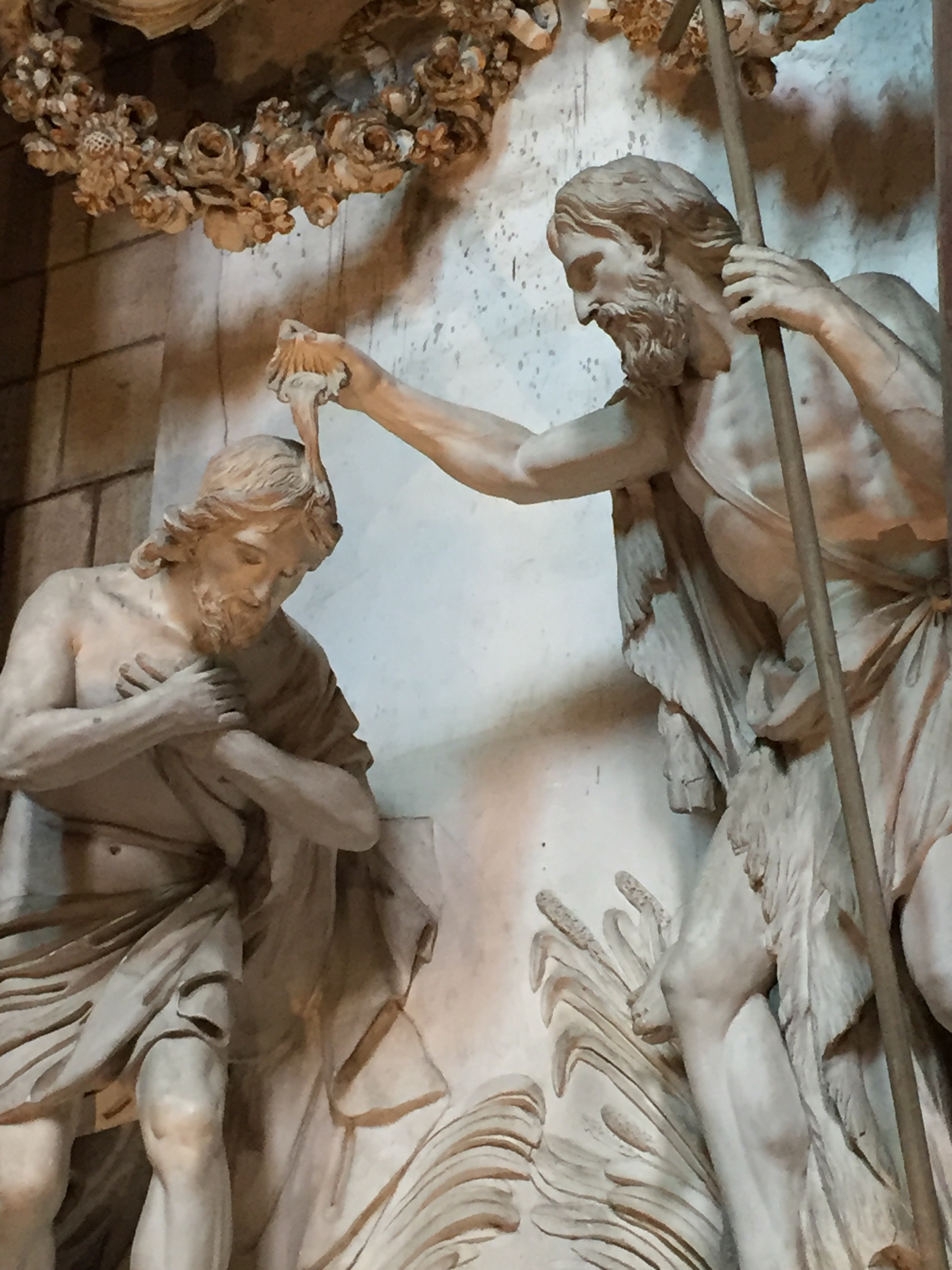
Christ’s baptism by John the Baptist
One of the most moving chapels in the north-west of the nave depicts the baptism of Christ by John the Baptist. It was key moment in the Christ story, and the symbolic acceptance of his mission is beautifully portrayed in the stance and the faces of the two men who knew well what they were doing, on both the spiritual and physical levels of their lives.
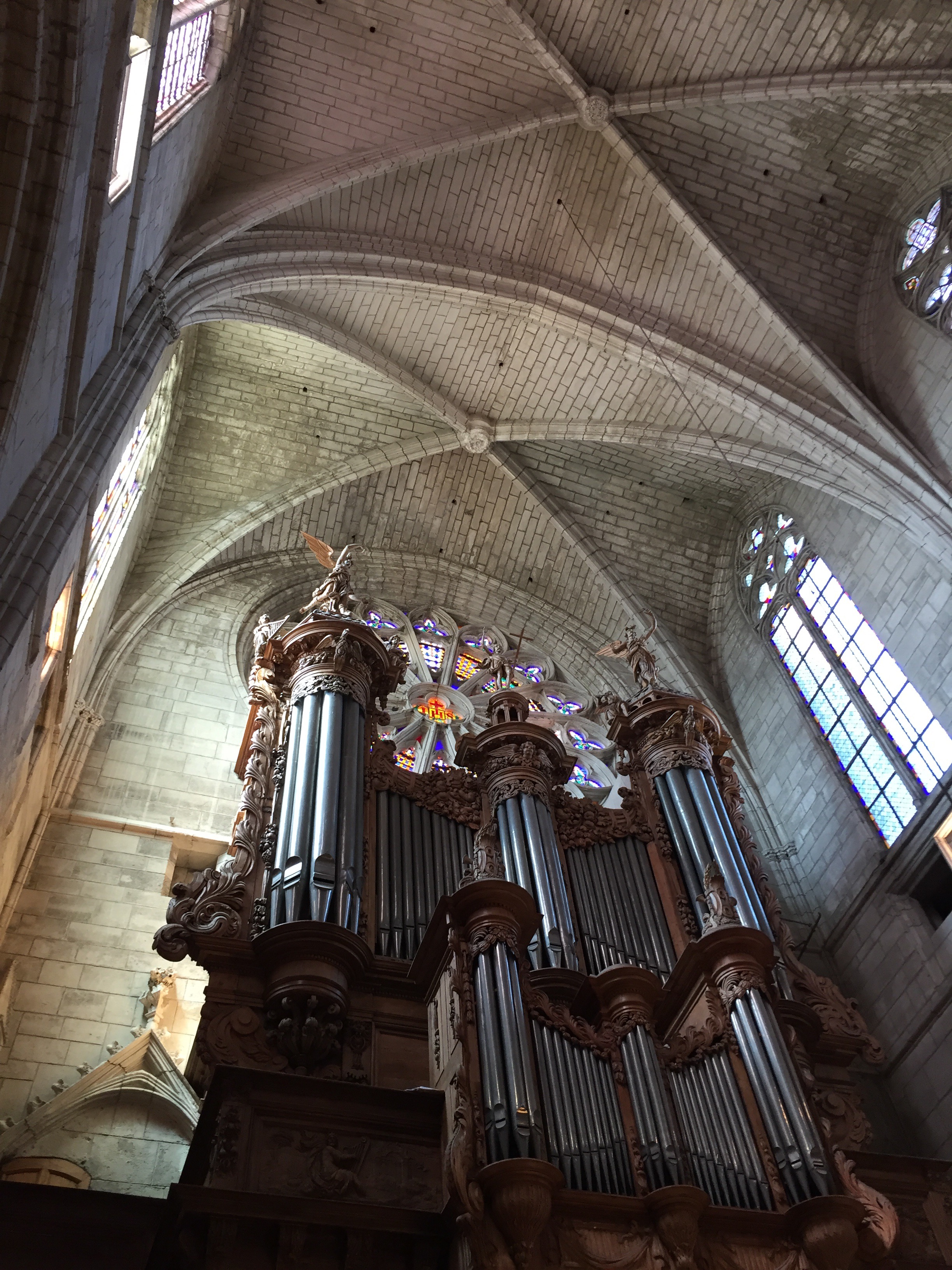
The beautifully vaulted main roof is exquisite in its detail.
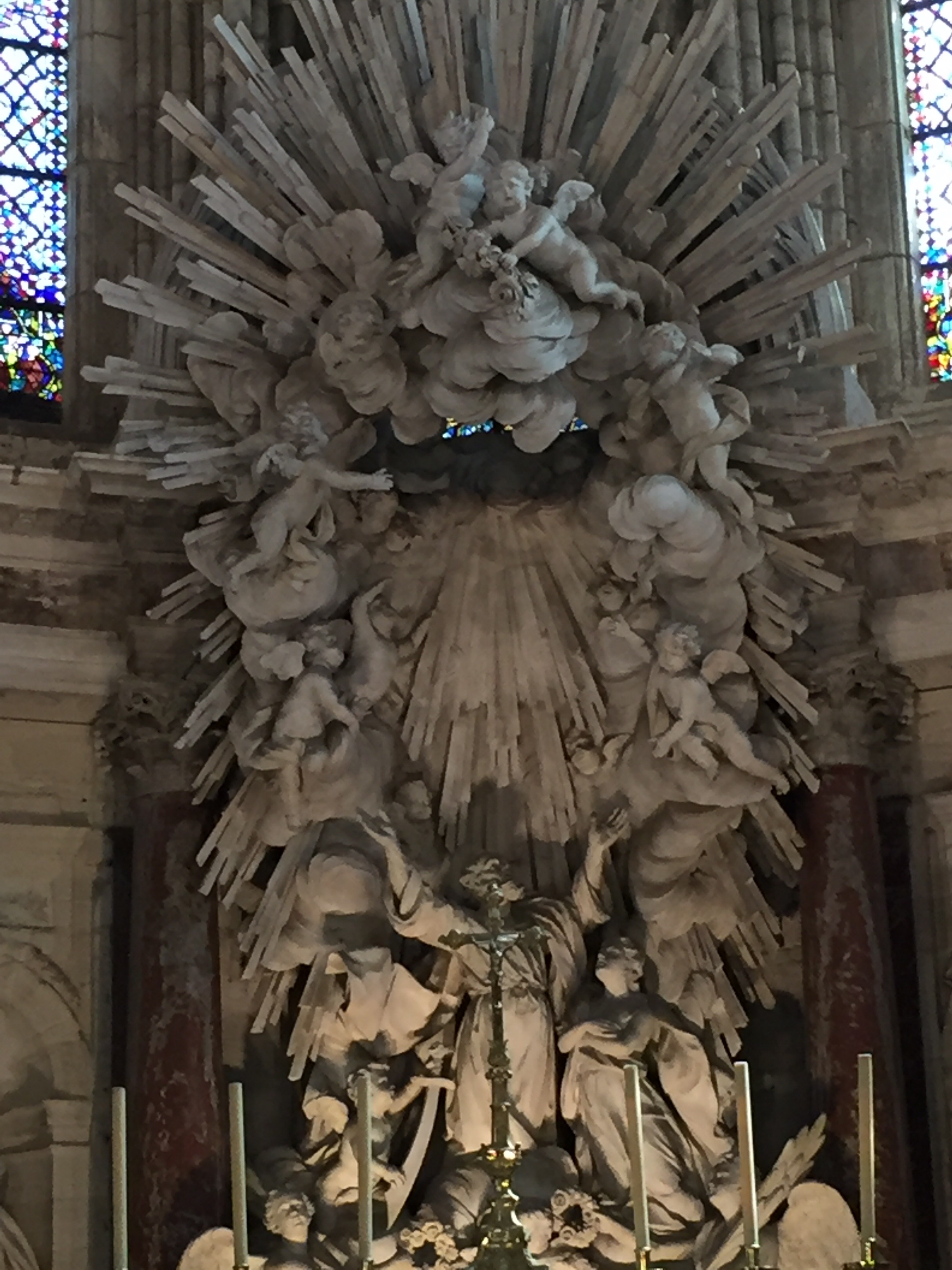
The high altar is framed by the main east panel that is beautifully crafted in Baroque déco style and takes up nearly the whole of the Eastern wall of the building. It is too ornate for my taste, but I can acknowledge its finery.

The feature that moved me the most was a simple wooden arch, placed in the west, and nearly at the nave’s end.

This ‘doorway of mercy’ mirrors that opened by Pope Francis in St Peter’s Bailica and is fashioned around simple and inclusive proportions. The act of ‘going through the door’ invites us to unite the whole of our being in one, inclusive action. The arch represents the combination of three different geometric figures:
The rectangle is an elongated square – our physical nature: the earth, the place we find ourselves.
The four equal angles of the square/rectangle represent the four directions of our horizons.
Above is the arch, part of a circle, the symbol of the heavens, the spiritual world – not high above us, but just ‘above our heads’
You are invited to walk through this magical gateway, and I did, delighted to find these simple esoteric truths portrayed in a church, once again…
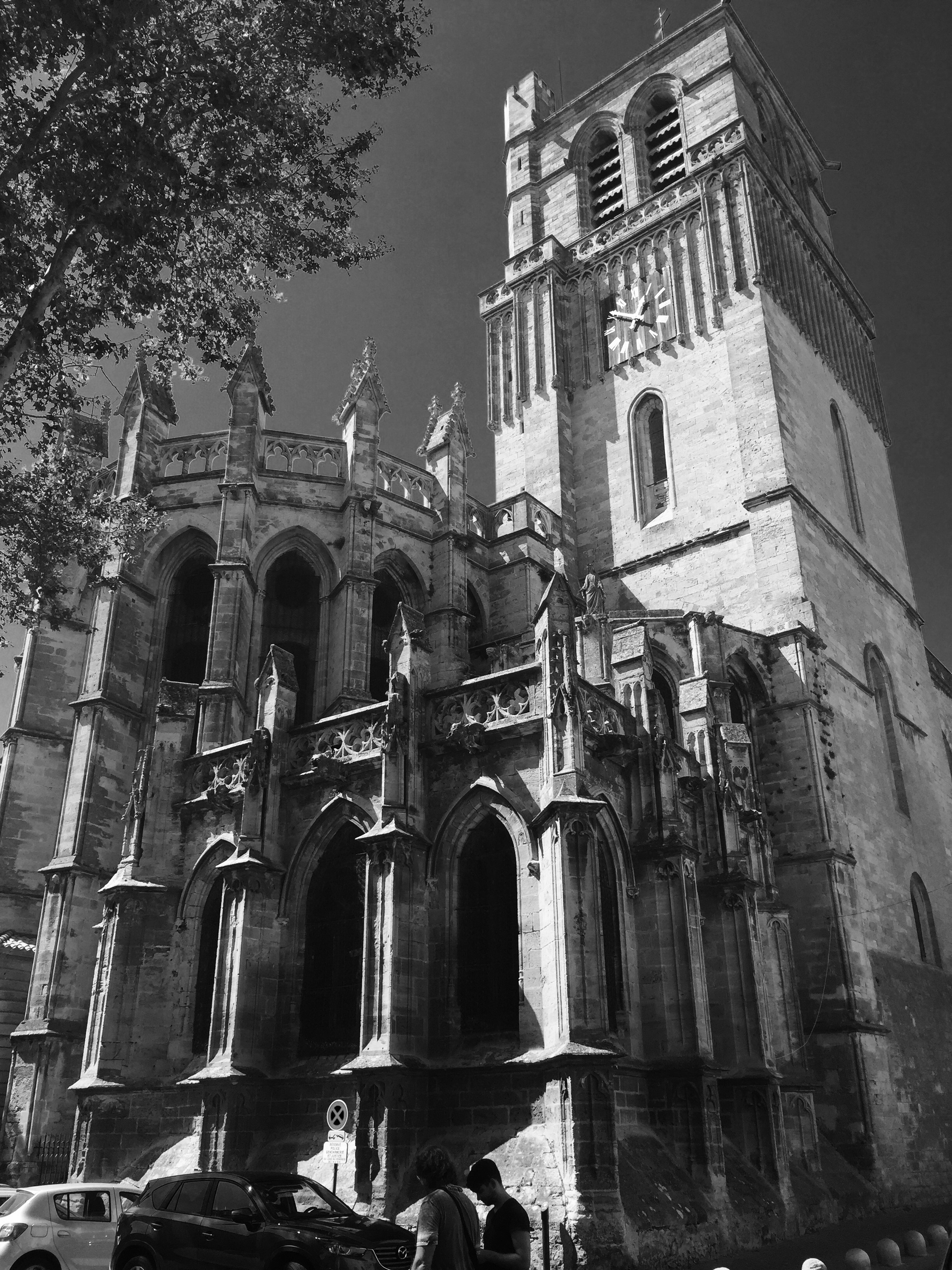
The exterior of the Cathedral is asymmetrical, and draws the eye to explore it.

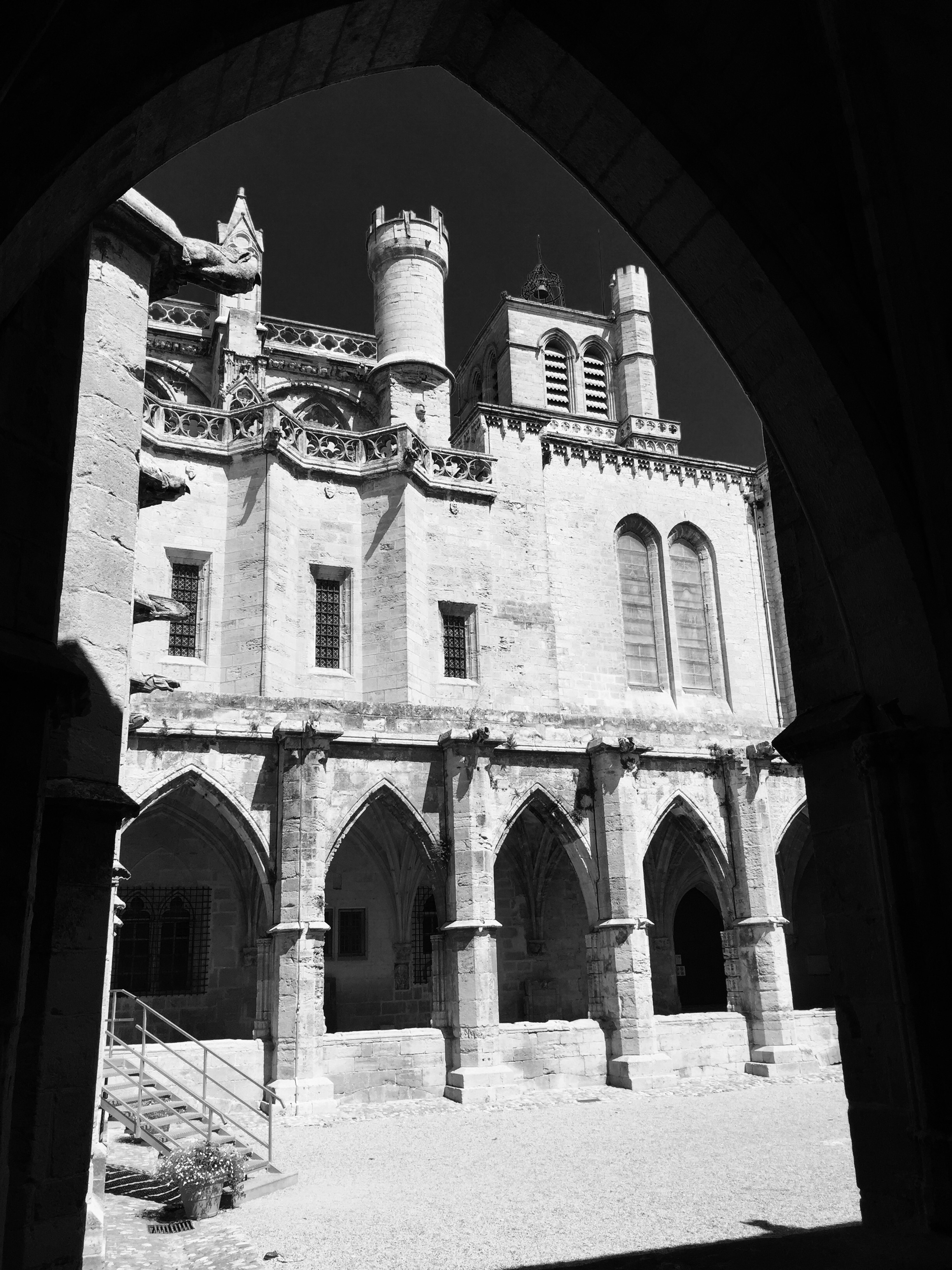
The cloisters are one of the few cool places, and lead down to the terraced garden which overlooks the canal-housing valley below.

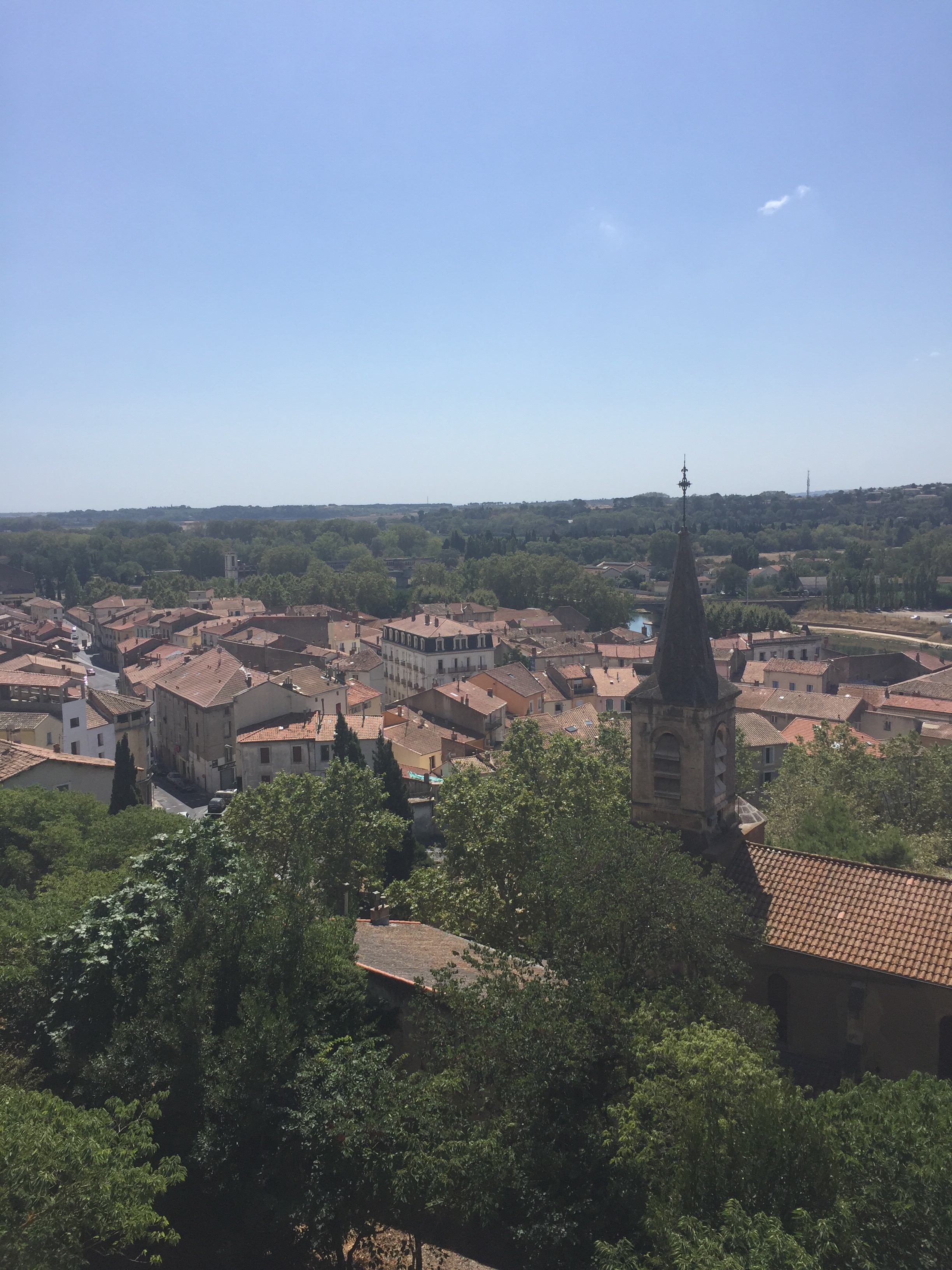
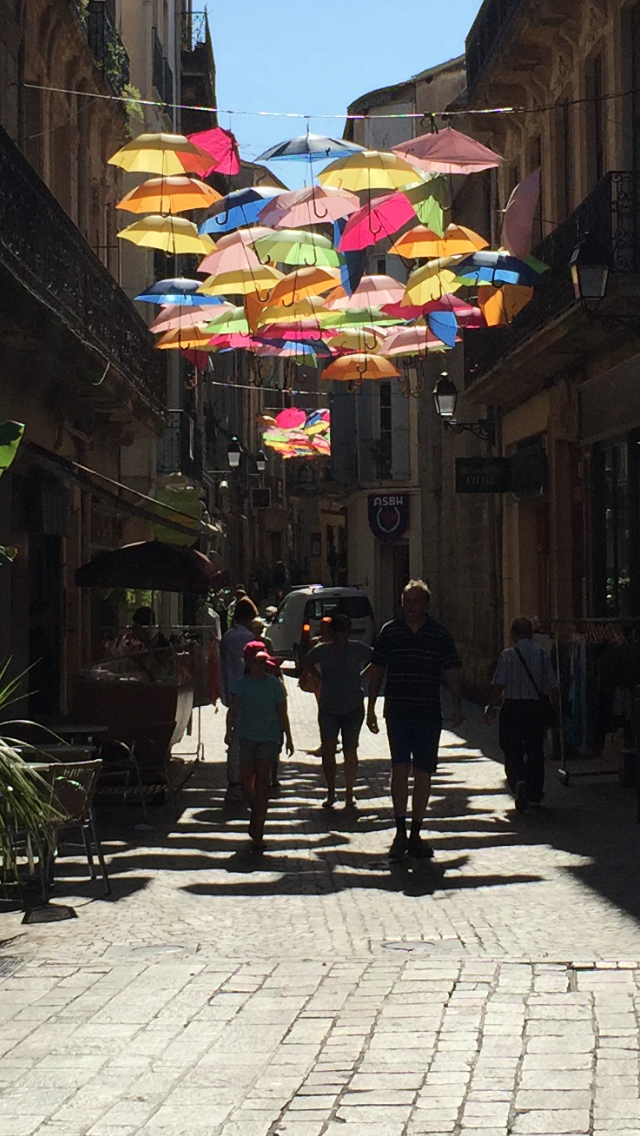
Our time at an end, we walked slowly through the ancient streets, happy just to wander and find shade where we could.


Thursday morning will see us on the road early, for the final and longest of our cycle rides – to Sète, our final destination, and, finally, the Mediterranean Sea…
©Copyright Stephen Tanham, 2016.


 Sun in Gemini
Wonderful post, fascinating reading. The cathedral looks beautiful, lovely photos and great architectural descriptions too 🙂
LikeLiked by 1 person
Thank you, Samantha. A very moving place, too, when you think that thousands of Cathars were slaughtered there. And yet the Cathedral is peaceful, now.
LikeLiked by 1 person
Pingback: French Postcards 10 from Steve Tanham | Sue Vincent – Daily Echo
Famtastic account. Learned a lot from that. Travel stories are always so much better with that personal touch. Beautiful photos too.
LikeLiked by 1 person
Thank you, Leeby. Postcard 11 is the last in the trip, and takes us to the destination.
LikeLiked by 1 person
Your welcome. I’m keen to read the whole thing in one hit.
LikeLiked by 1 person
Thank you, Leeby. The posts will be the foundation of a ‘new approach’ book on the enneagram, if it has enough momentum.
LikeLike
Please ignore the last message! I’m commenting on the wrong post!
LikeLike
Your welcome. Best of luck!
LikeLiked by 1 person