by Steve Tanham

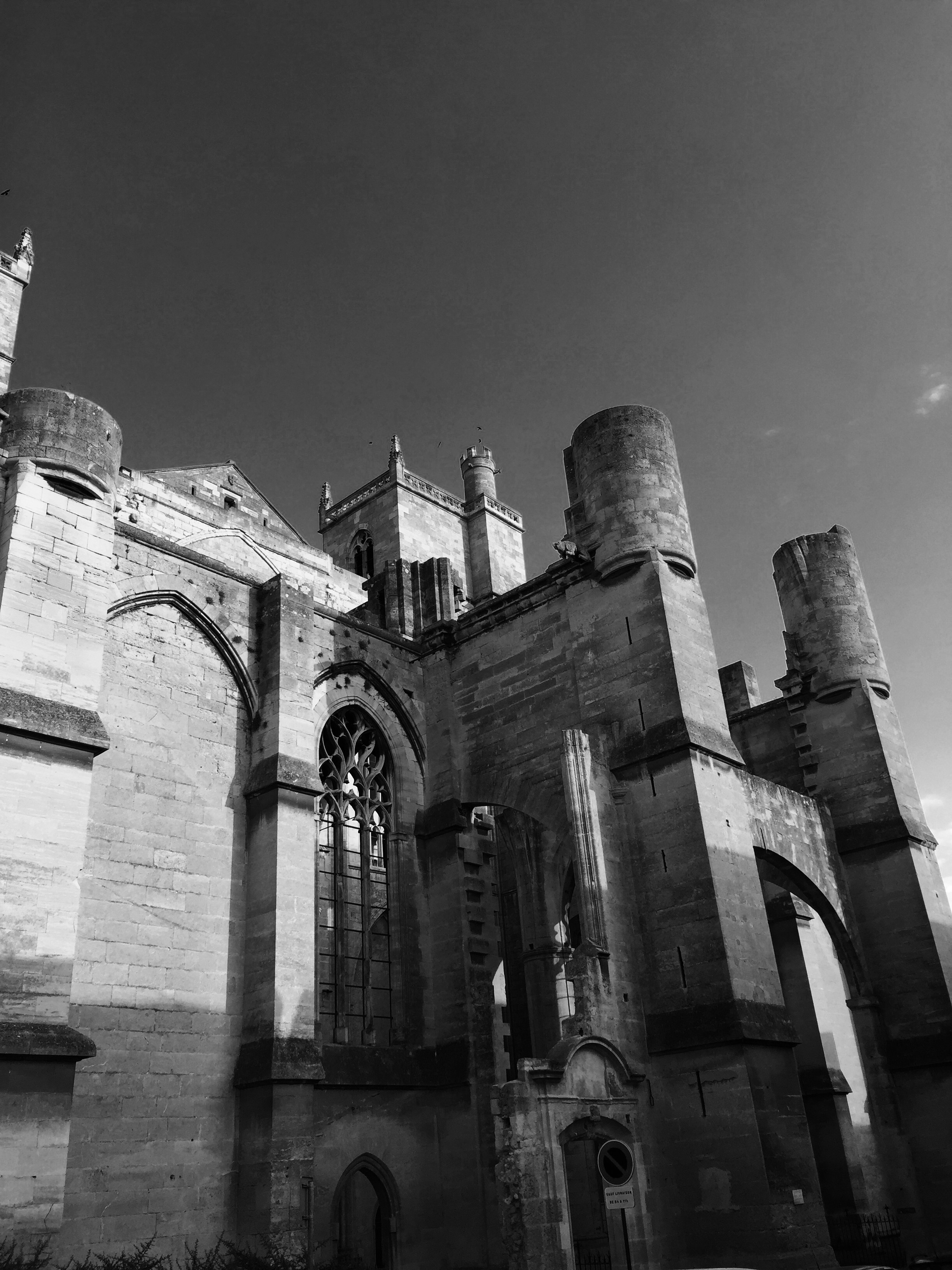
What would you do if you were the Archbishop of Narbonne and you found yourself being made Pope?
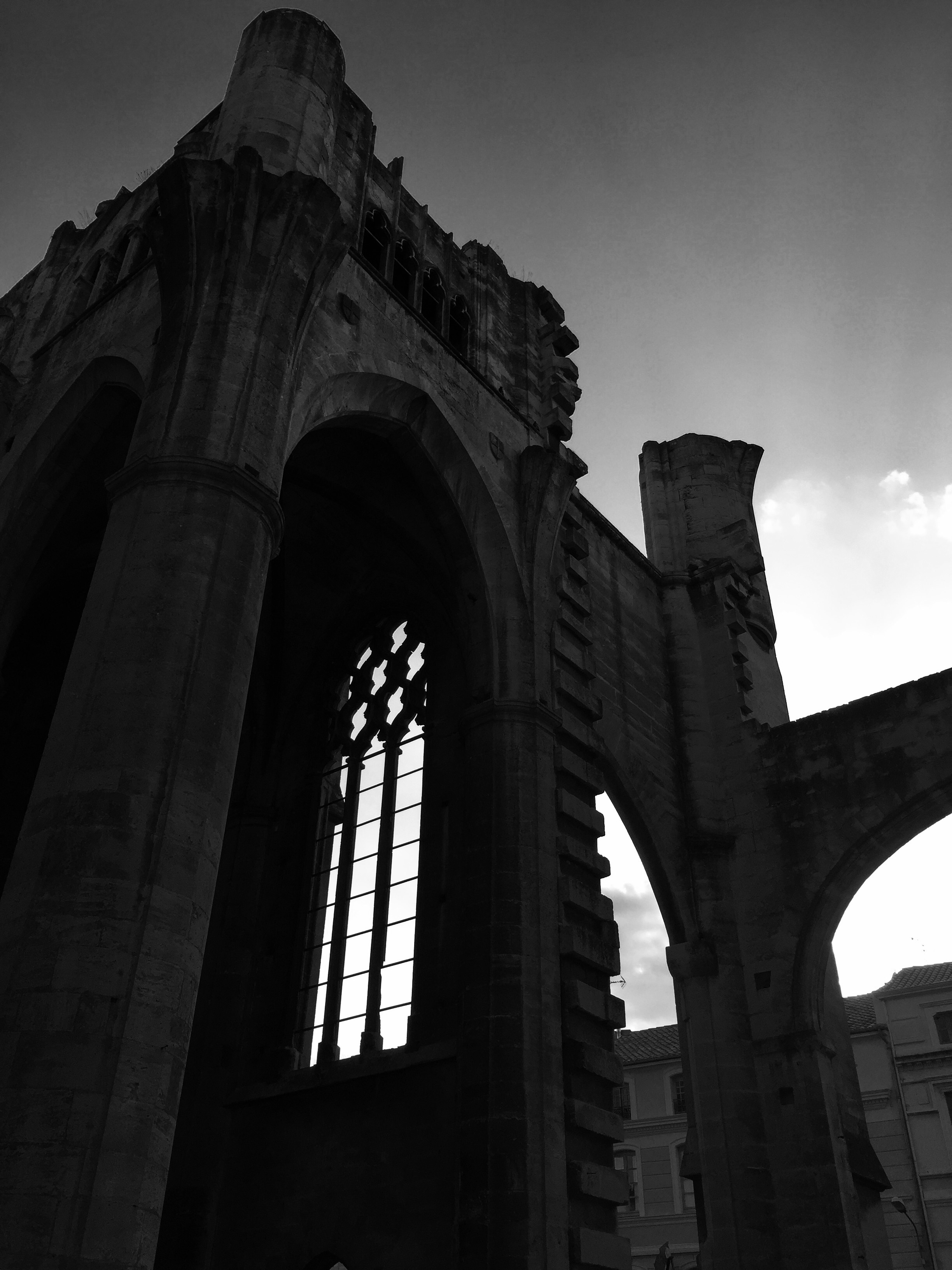
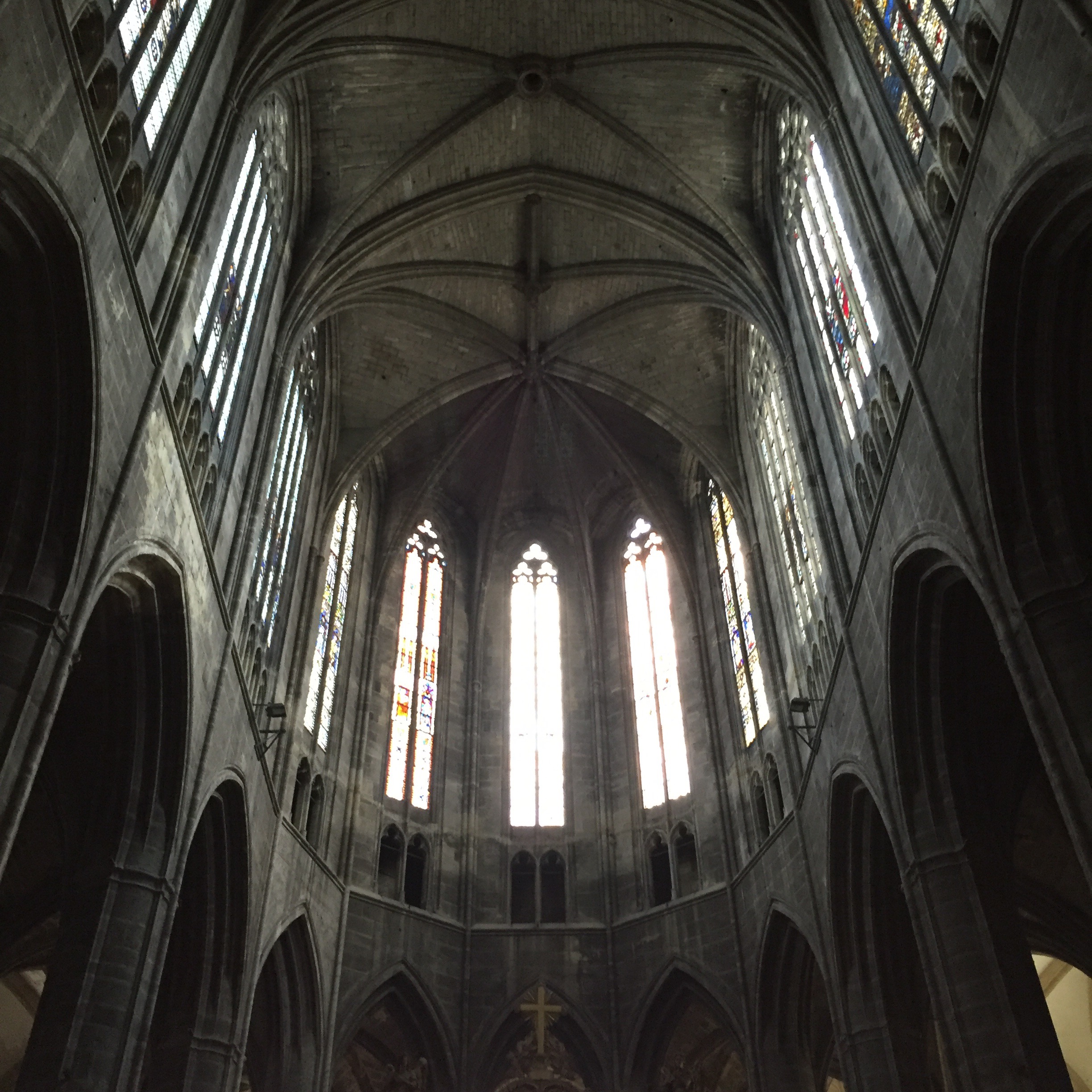
You might consider honouring your former home by creating a new, gothic, cathedral – a very grand cathedral; one modeled on the splendour of those in Northern France.
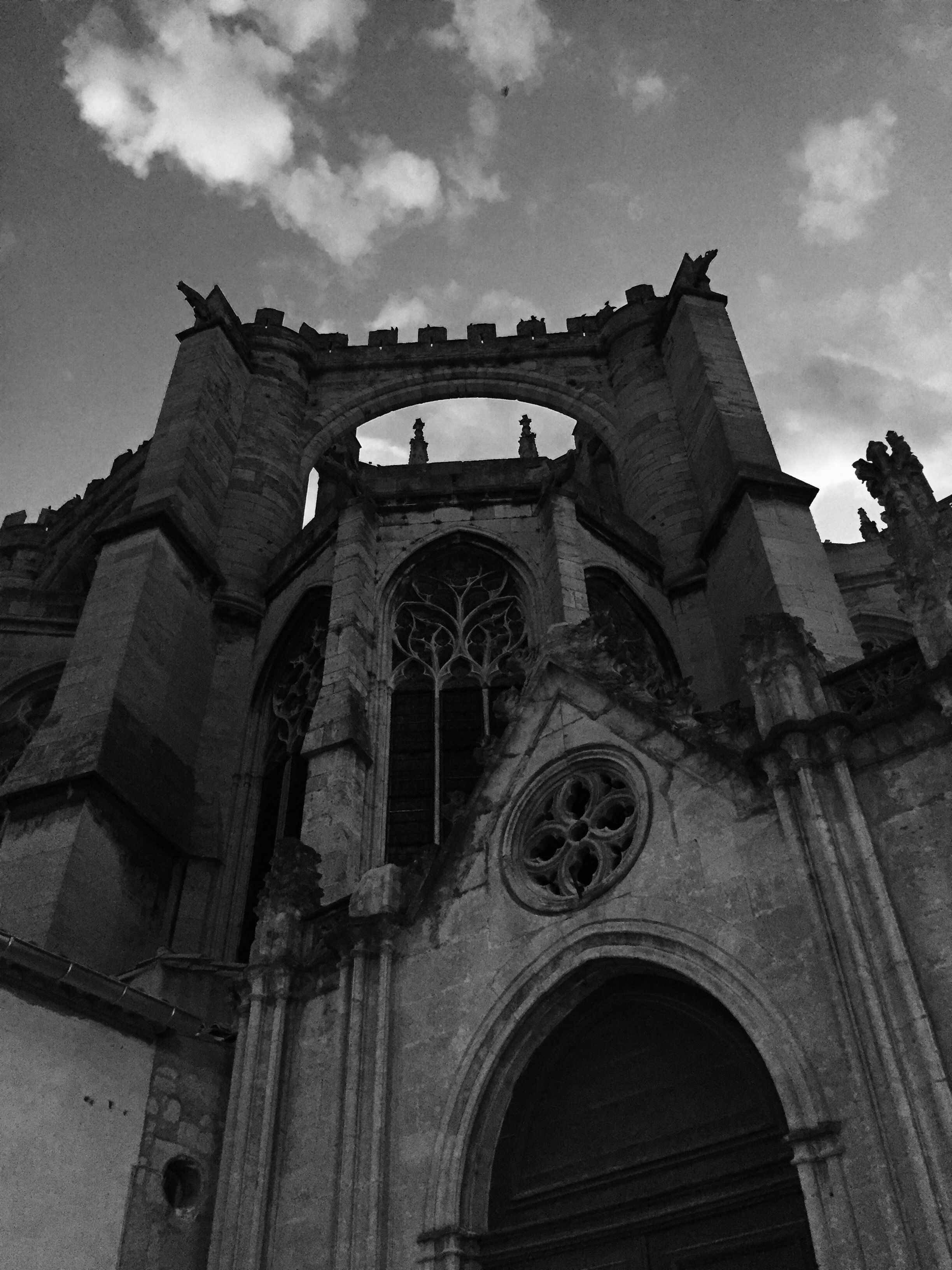
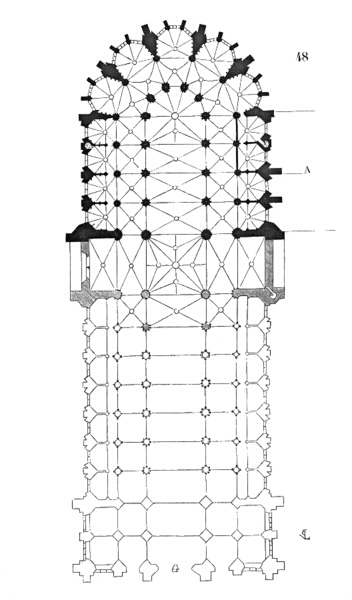
In 1268 that’s exactly what Pope Clement IV did. He decided that it would be a monument made in the magnificent style of the Kingdom of France. He had plans drawn up and the construction began in 1272. The ‘choir’, the bit at the top of the calvary cross that all such churches were based upon, was finished in 1332, but the rest of the building was never completed. What you see today is as far as it got… the dark outline in the ‘wingless’ plan below.
This ‘grand cock-up’, as the local historians describe it, was the result of many things, including sudden changes in the economic status of Narbonne, the sheer size of the original design – which would have seen it span four city blocks- and regional economic issues.
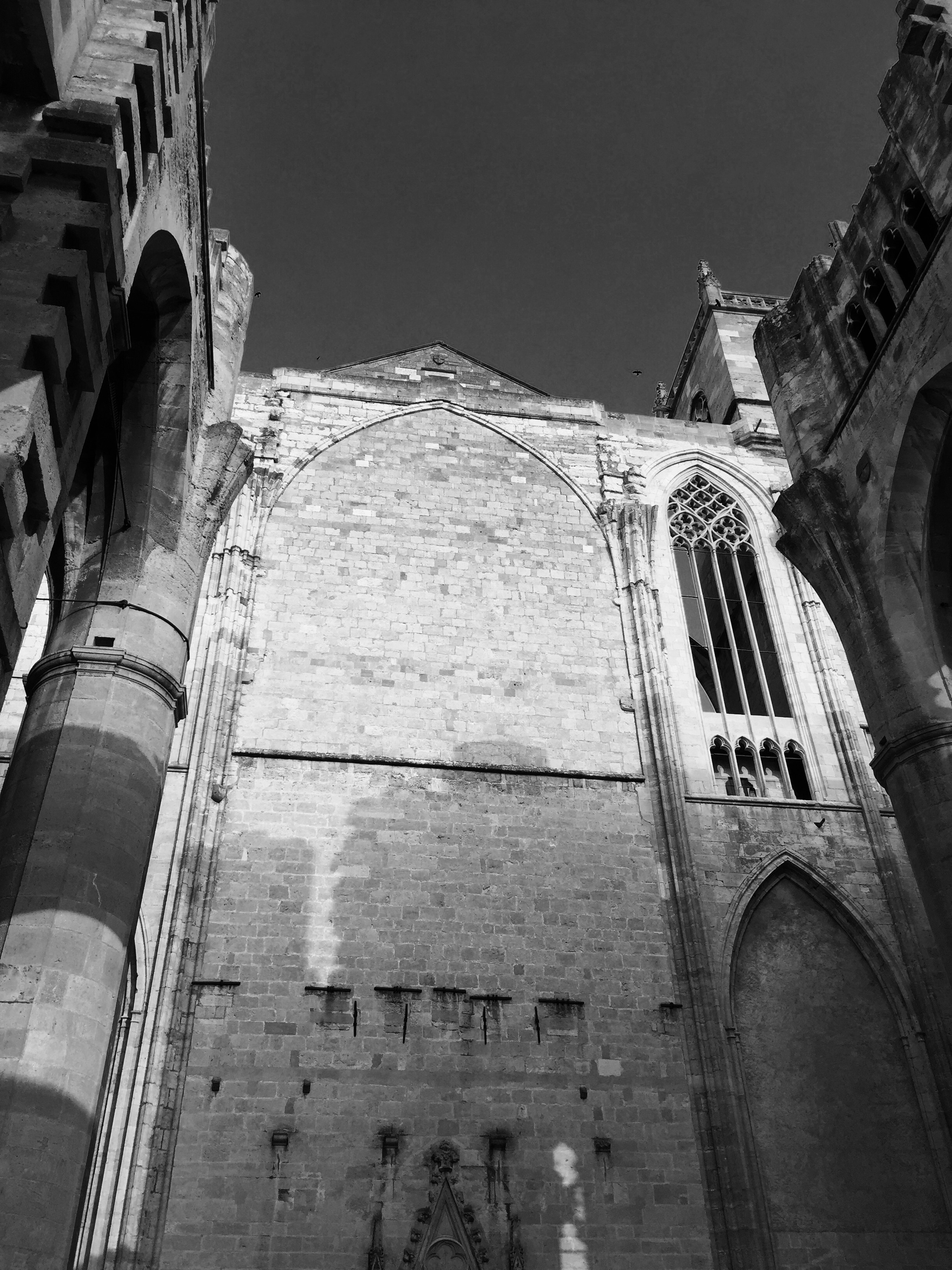
But the biggest reason for the cessation of the construction was that someone worked out that they would have to demolish the city walls to accommodate one of the trancepts – the left side-arm of the horizontal part of the cross shape… Both trancepts have been removed from the plans you will note.
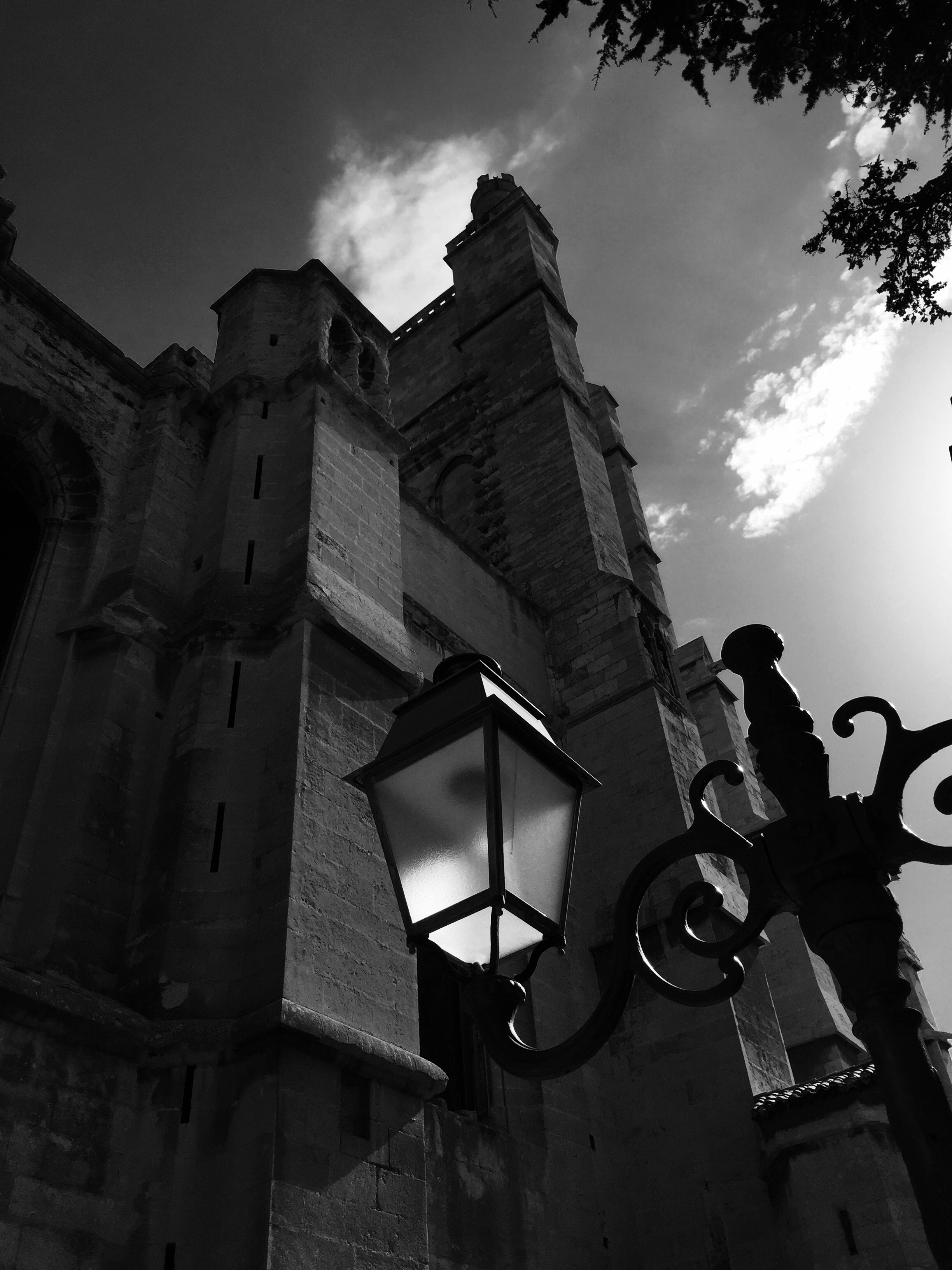
But the wingless wonder continued to crash. Over the next two hundred years the rest of the plans were gradually dropped, leaving the ‘choir’ as the only surviving part of the cathedral of Saint Pasteur and Saint Juste, as it became known to history – the Pope having, presumably disowned it by then…
But magnificent failures have much to teach us…
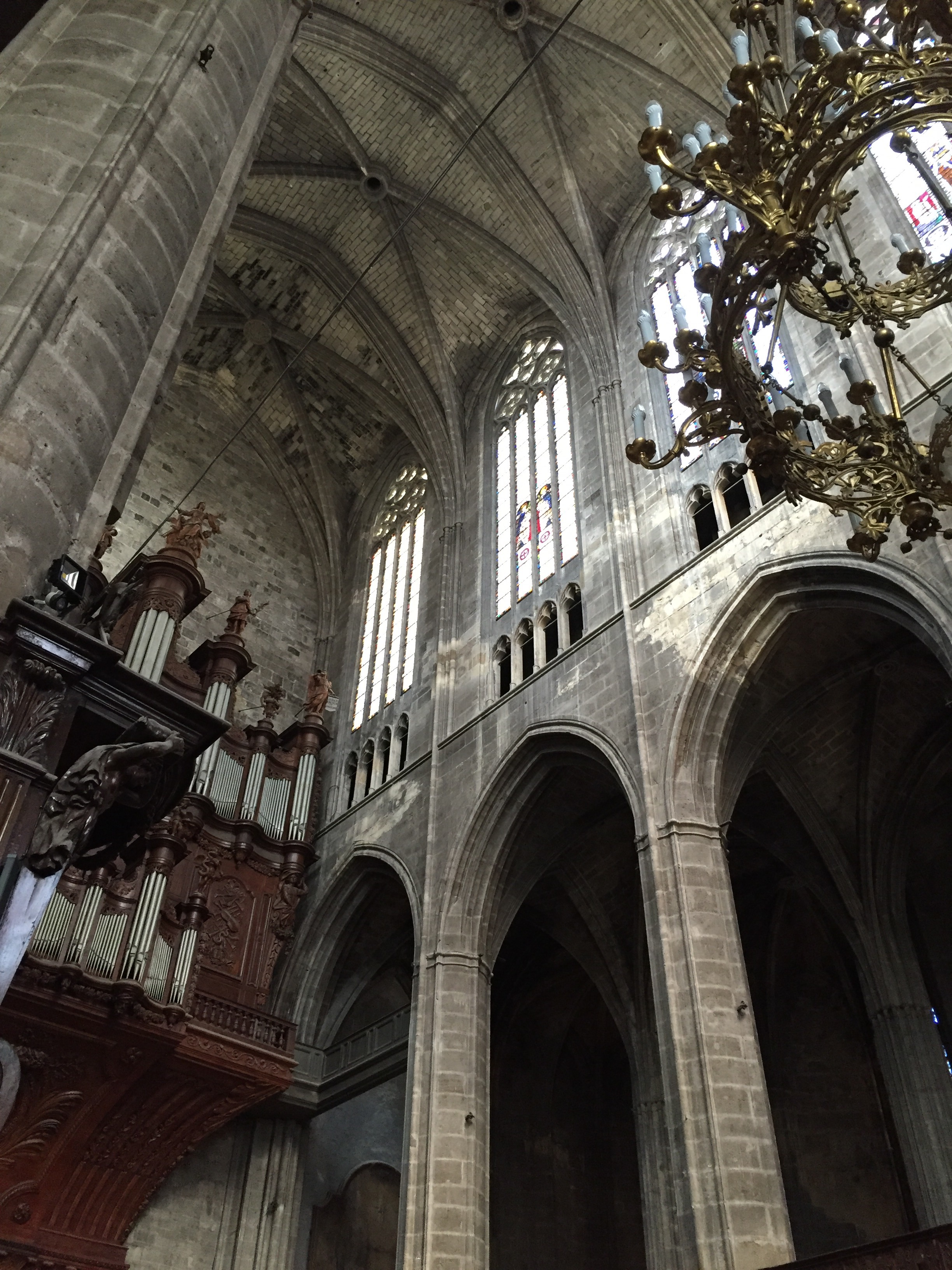
The good people of Narbonne took the residual ‘choir’ to their hearts and ensured that it would stand the test of time on its own terms.
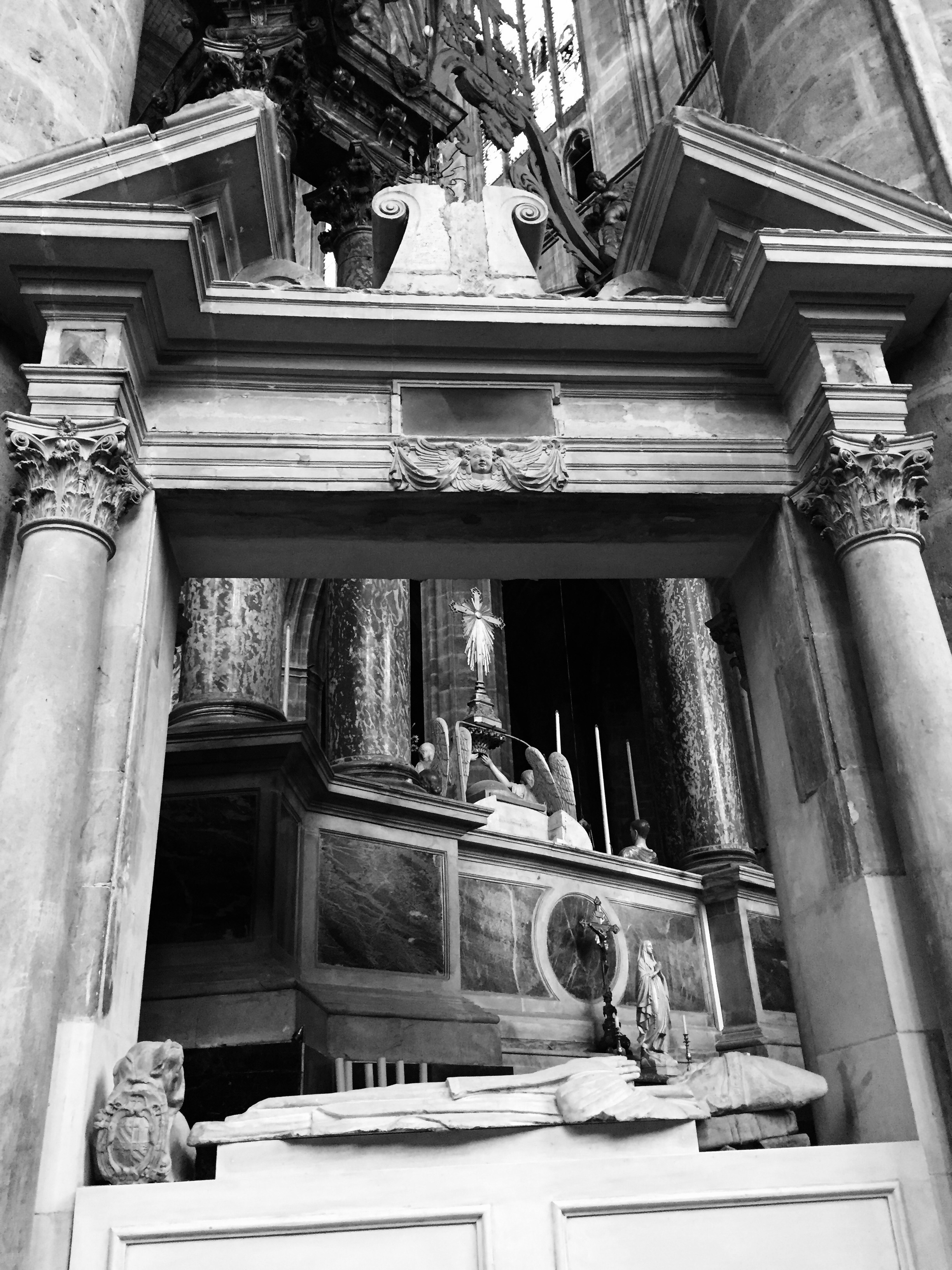
When you are in the splendour of this interior space there is only grandeur and beauty, ‘box’ or not.
You may have gathered that we’re not cycling today.
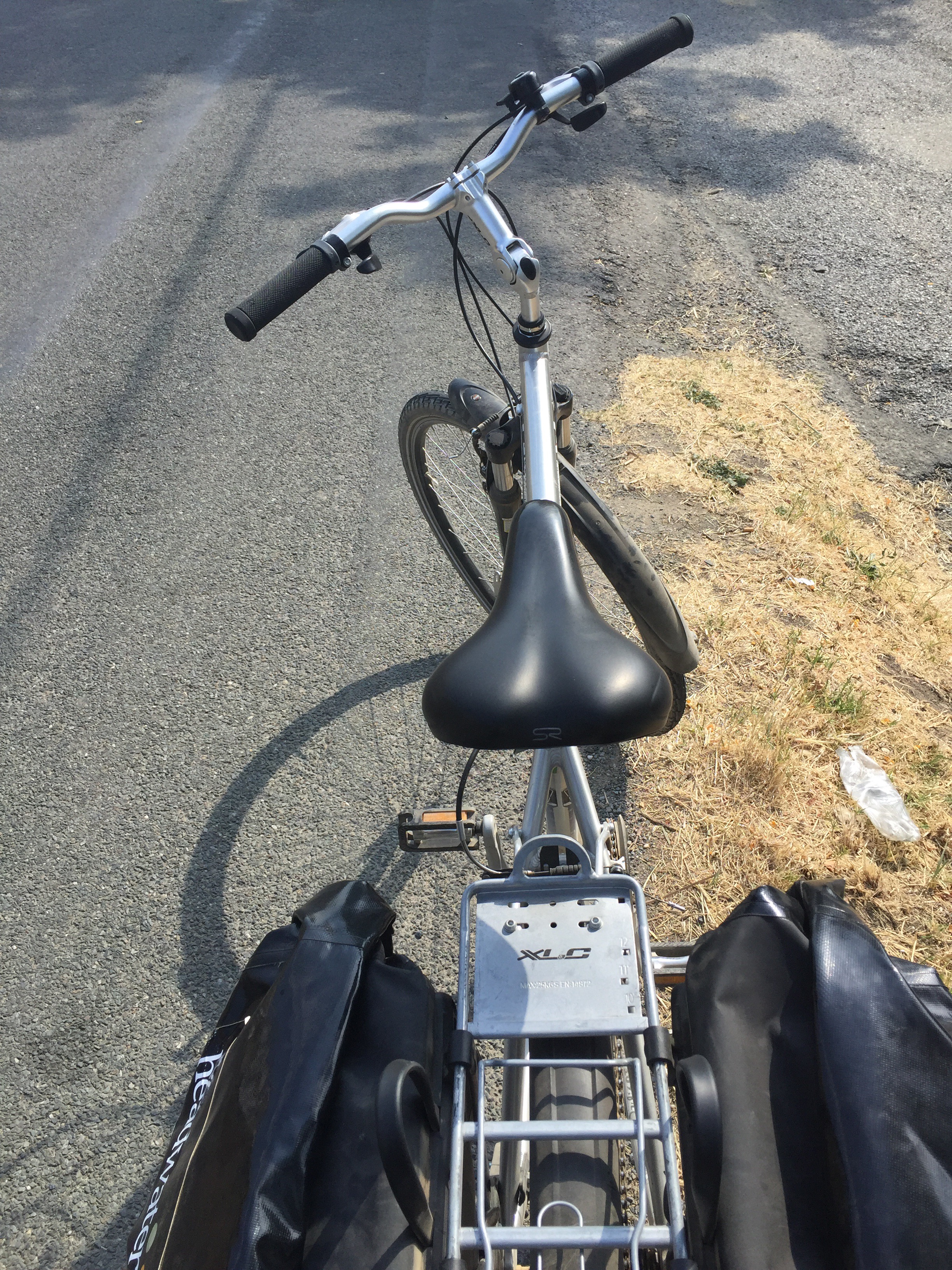
We’re having a rest day in Narbonne, swapping further time in the saddle for a relaxed tour of this lovely and friendly city
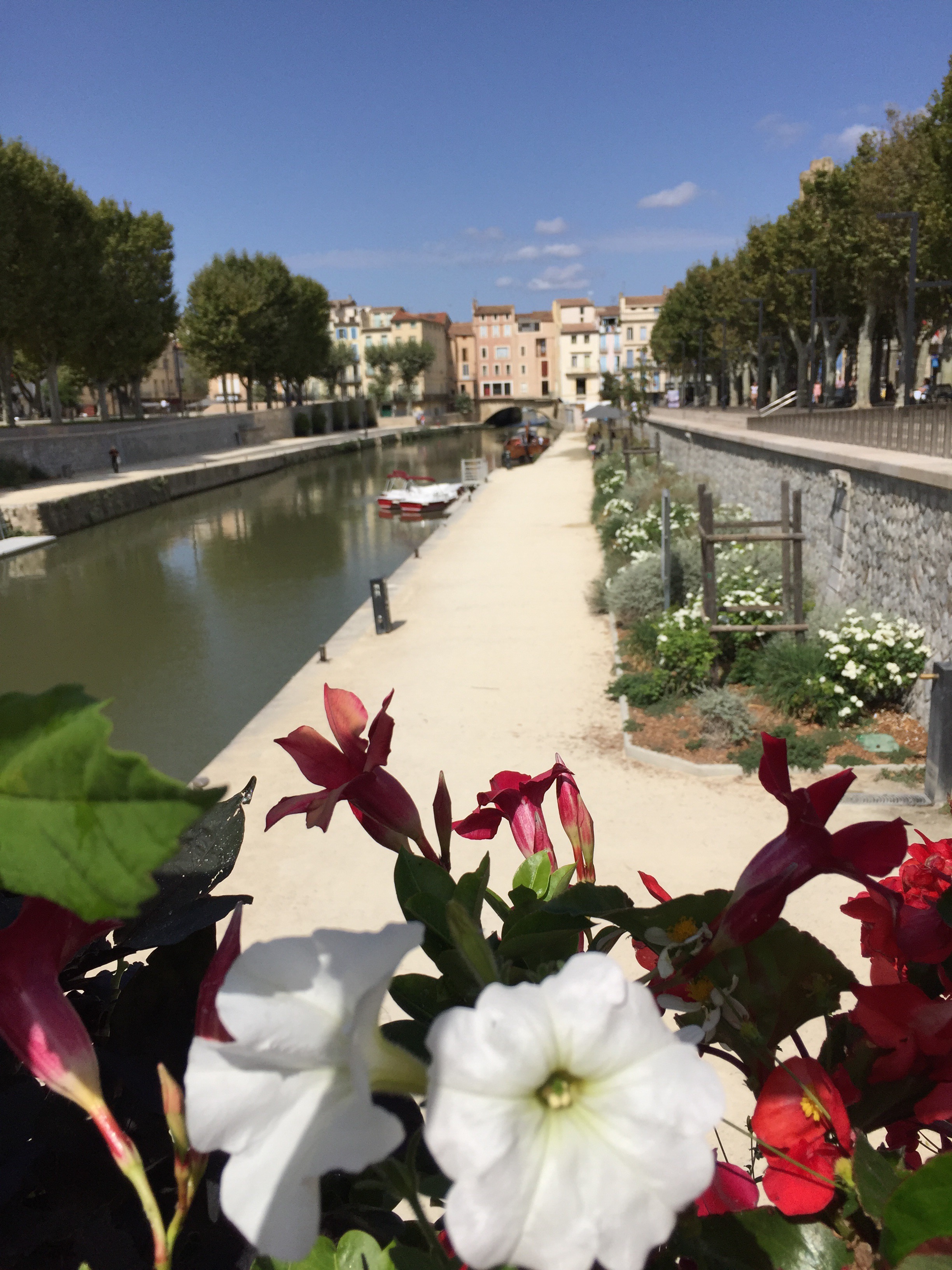
The Canal du Rabine, which is a Narbonne spur from the Midi, runs right through the middle of the city, as the picture shows.
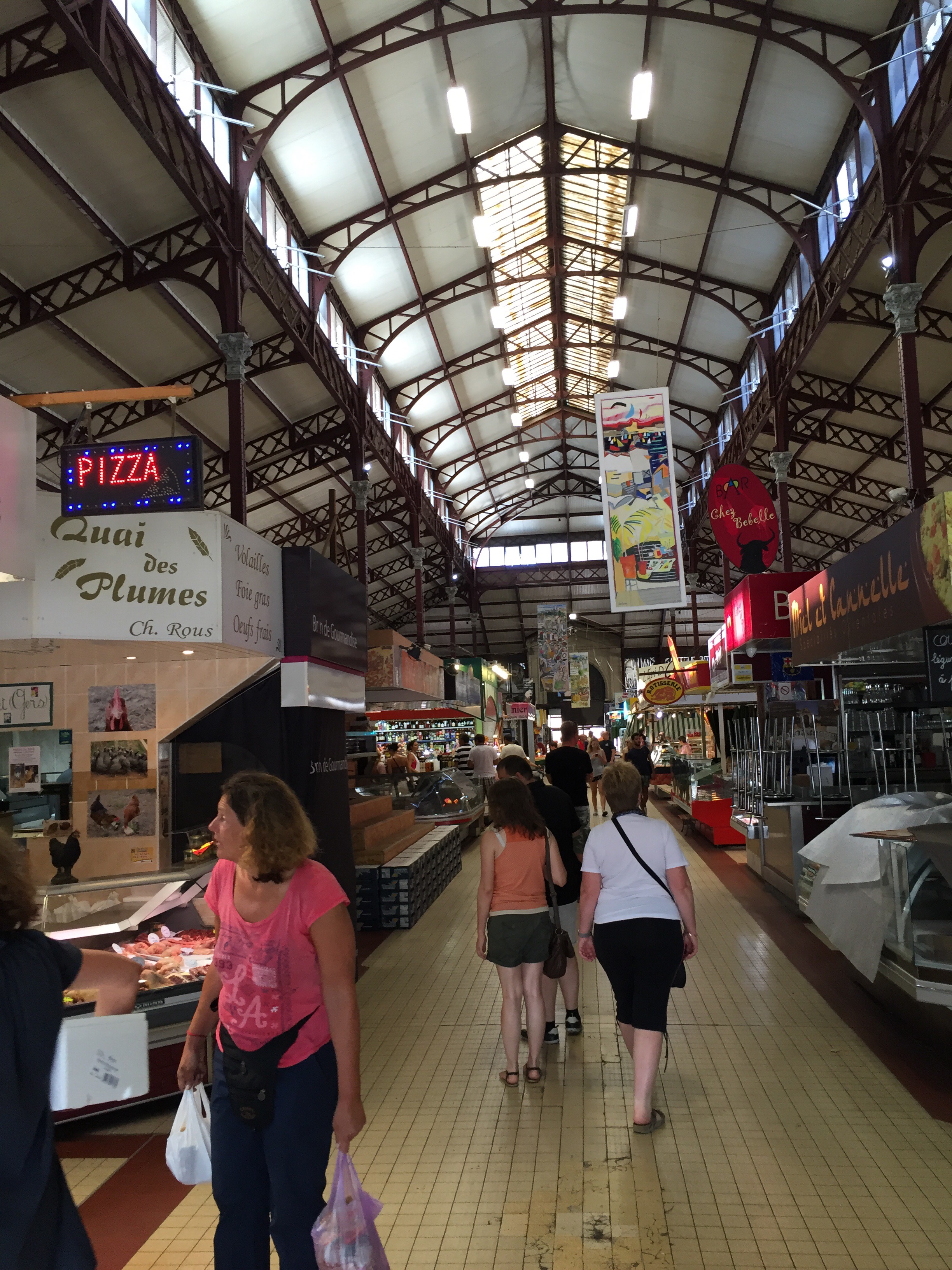
The covered market offers a wonderful glimpse into the lives of the people of the city, and how they shop and prepare their food
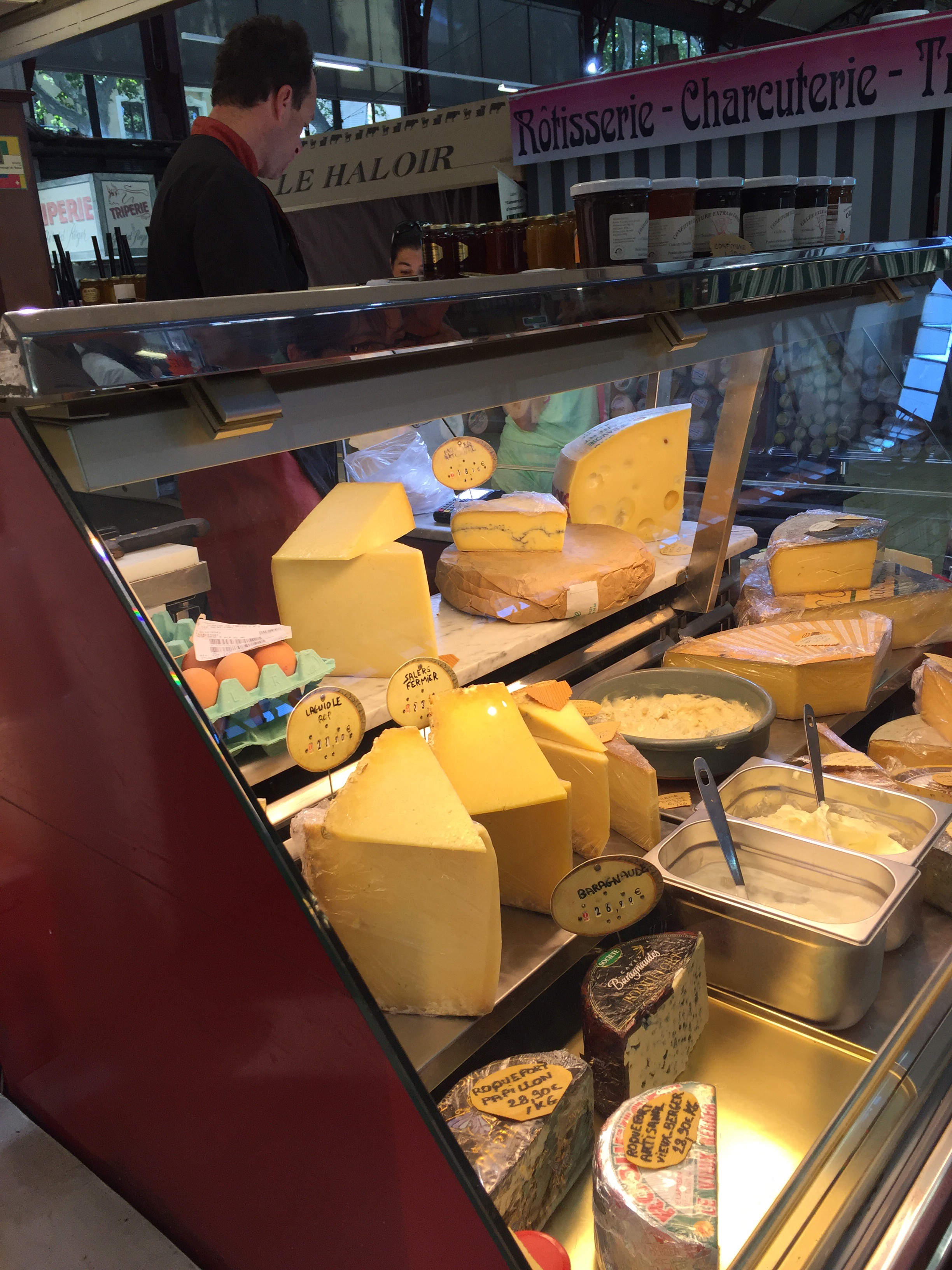
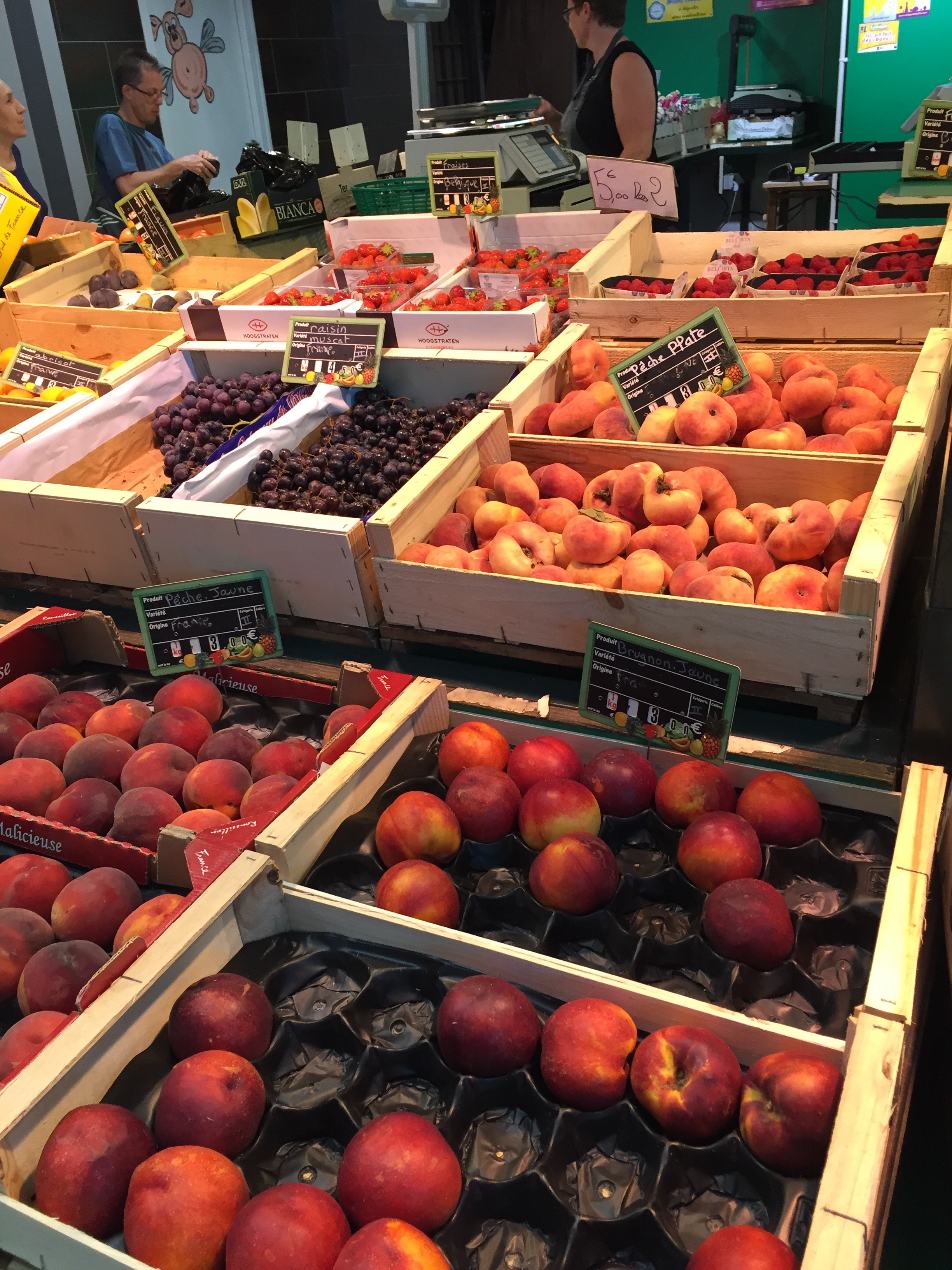
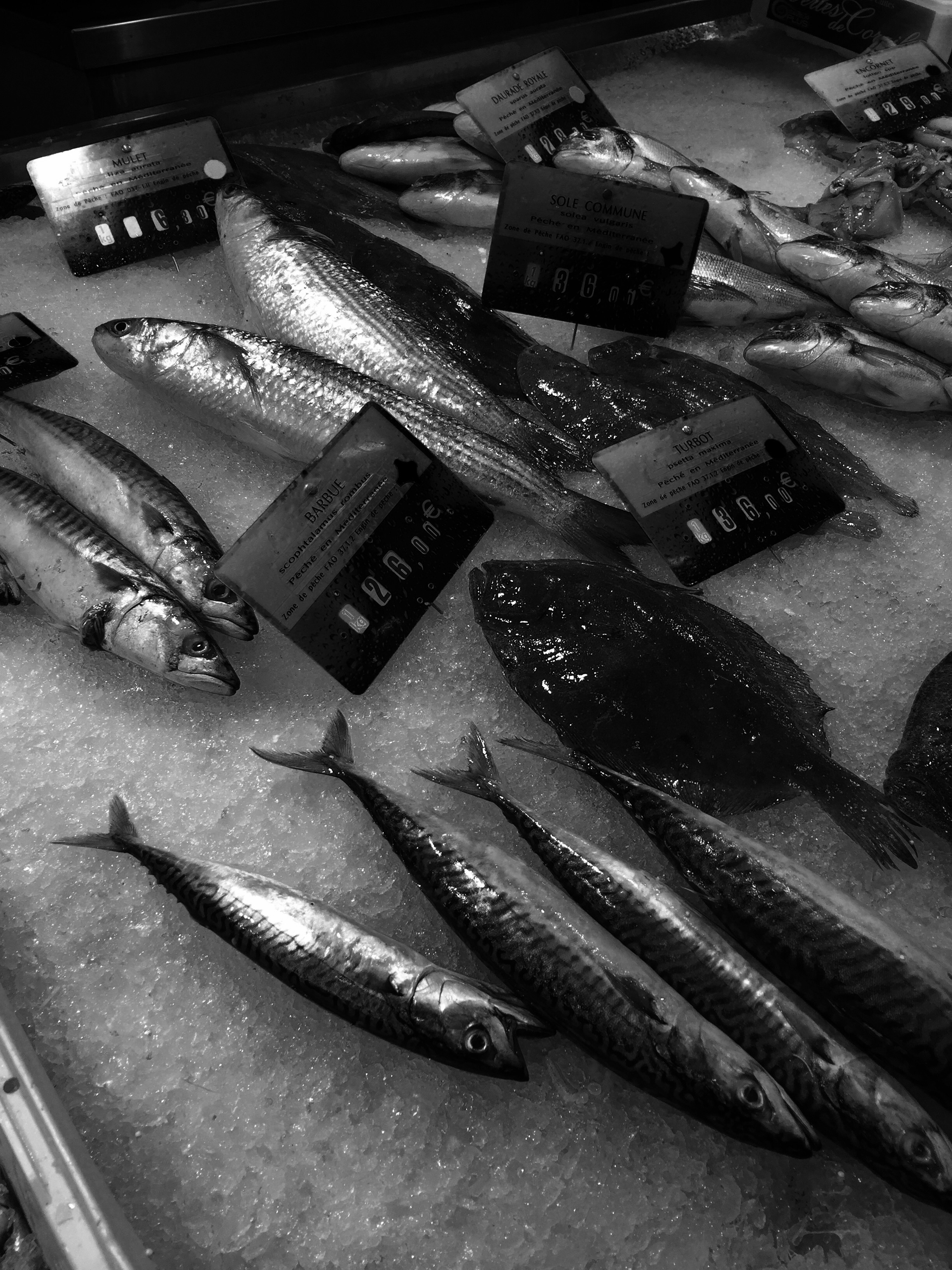
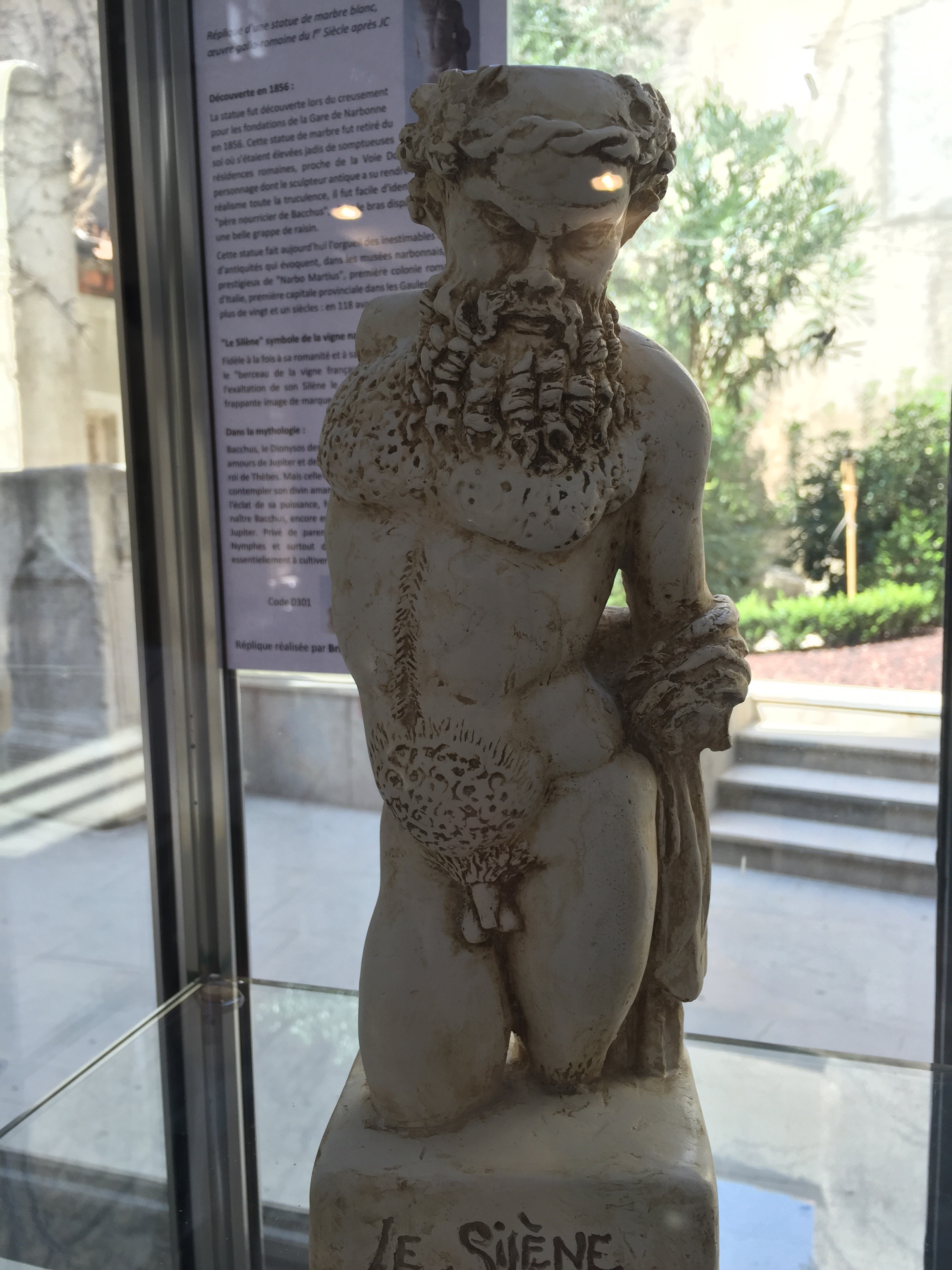
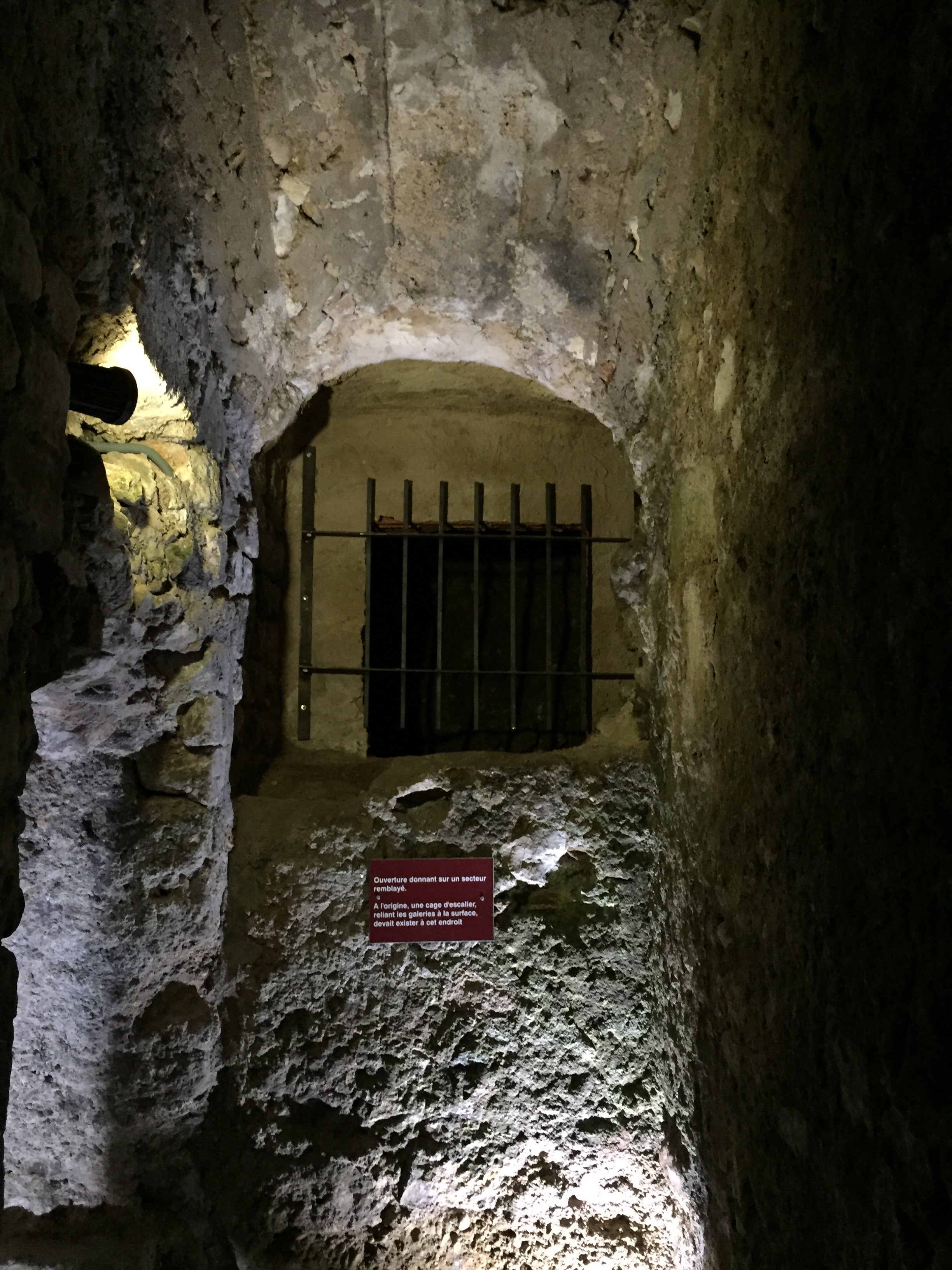
And then there’s the Roman Museum…
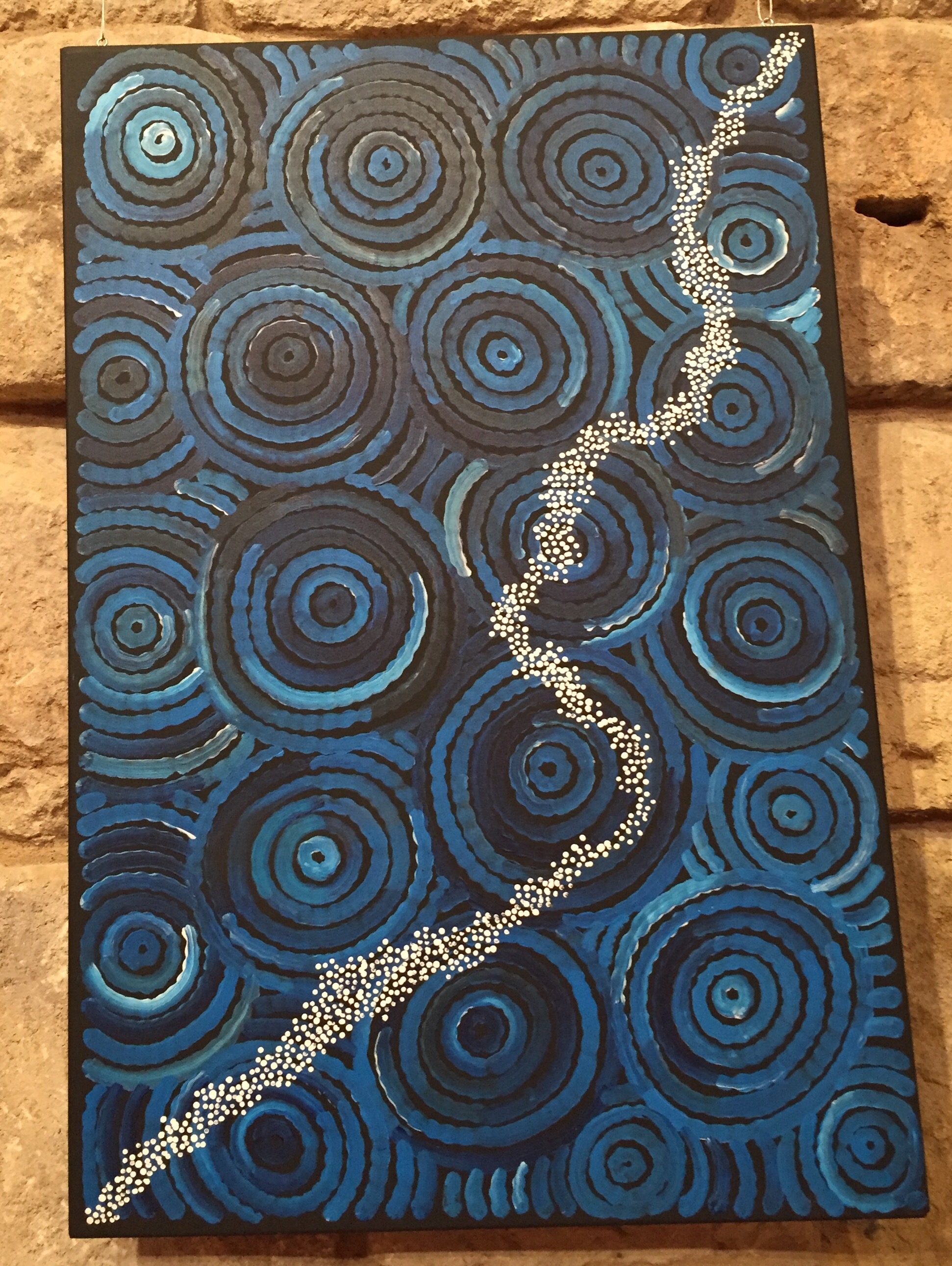
And frequent exhibitions, like this one on Australian Aboriginal art:
So, all in all, it’s been a wonderful and cultured rest day…
Tomorrow, back in the saddle and head down to Bezier! May it not be as hot as the Homps trip!
©Copyright Stephen Tanham, 2016.


 Sun in Gemini
It looks lovely! Interesting story about the cathedral too 🙂
LikeLiked by 1 person
It’s a great place to visit – it has a unique and self-confident air, despite, or because of, its history.
LikeLiked by 1 person
Pingback: French Postcards 8 by Steve Tanham | Sue Vincent – Daily Echo
Great series of photos ~ there is something about cathedrals and their history that fascinates.
LikeLiked by 1 person
Thank you. Glad you enjoyed the visit.
LikeLike
Fabulous and so interesting We shall be in in France this Monday, I cannot wait!
LikeLiked by 1 person
We’ve just returned. Sitting in Euston typing this! Glad you enjoyed it – have a great trip. Where are you headed?
LikeLike
One week in Brittany, one week in the Dordonge, one week in Lozere, and finally one week in Burgundy! Welcome home you return to Blighty and we leave! xxx
LikeLiked by 1 person
Oh, a month there! And what a lovely time of year to go… Have fun!
LikeLiked by 1 person
Thanks it should be good!!
LikeLiked by 1 person