

Each May and November, we like to spend a few days on the Welsh island of Anglesey.
It’s hard to say what draws us back, year after year, but there is a certain tranquility and peace about the place.
The hotel we stay at is a former farm, run by a brother and sister who inherited the place and set about making it one of the best small hotels on the island.
We left for home this morning, early, in order to avoid the holiday traffic coming up the M6 to Cumbria. While most of the world was still waking, I took the collie out into the garden for her morning necessities.
And there the sun was, rising over the silhouette of Amlwch church in the near distance. a moment of peace and intensity that I hope never to forget.
The iPhone was not the best tool to attempt a telephoto shot of this nature, but the result had a degree of character. The more I looked at it the more I found it an accurate emotional record of a special moment.
©Stephen Tanham 2023
Stephen Tanham is a Director of the Silent Eye, a journey through the forest of personality to the dawn of Being.
http://www.thesilenteye.co.uk and http://www.suningemini.blog
Share this:

+ #Silent Eye, #Silenti, Ancient Landscapes, Consciousness, guided mystical walks, Lake District, Photography
Water-Circle+Cross (1) Coffee under the old woman’s claife
by Steve Tanham
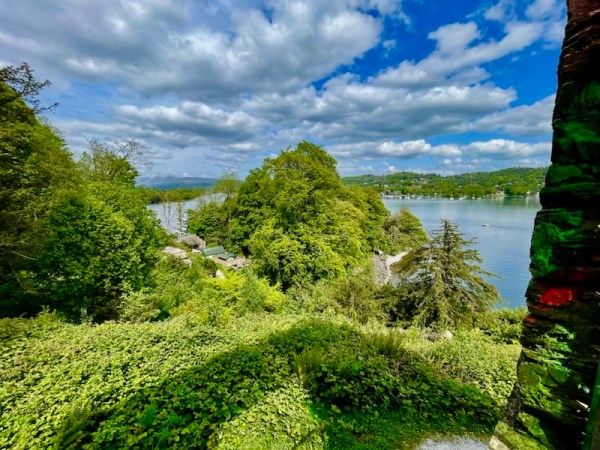
What’s a claife? Actually a Claife… we’ll get to that.
The Silent Eye’s spring workshop (SE23) began in glorious May sunshine, as those attending – our companions – began to arrive and assemble around a triangular picnic table on the quayside at Ferry Nab, a short distance south of Bowness-on-Windermere.
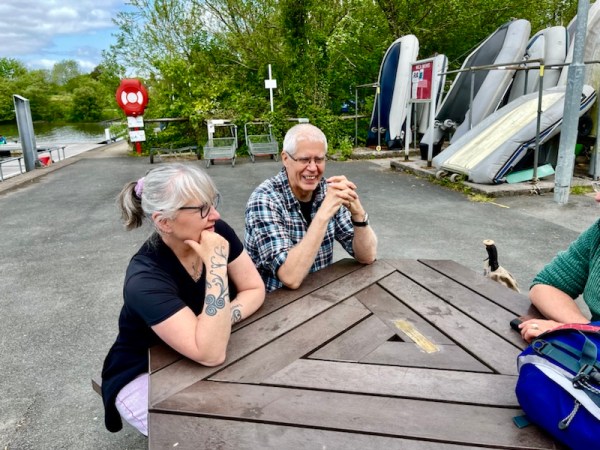
Once complete, our happy band of explorers were led down to the ferry point at Ferry Nab.

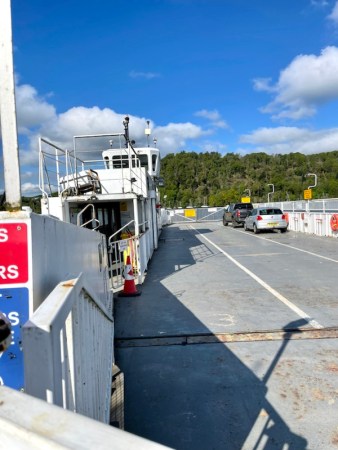
We crossed the lake via the chain-link ferry: a substantial boat that pulls itself along the water via gears attached to a large chain that lives on the lake bed until the machine hauls it up and over the cogs. It’s a common design for such short-hop distances, and usually reliable.
A decade ago, the chain snapped and the ferry drifted off down the lake, completely unable to propel itself, and awaiting rescue from a powerful private craft chartered for the occasion. No-one was harmed!


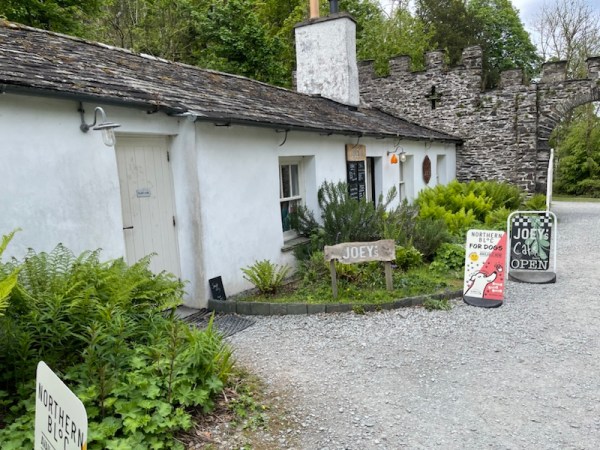
Having crossed the lake, we were sitting on two of the outside tables of the renowned Joey’s Cafe – one of two such cafes on the western shore of Windermere. Above us, a fascinating Victorian structure guarded the entrance path to Claife Heights – our destination for the ‘big day’ to follow on Saturday.
We had plans to explore this Victorian outlier as a gentle first step of our weekend. There would be much walking on the Saturday.
We had selected another high destination for the arrival day (Friday afternoon), but the cars would do a lot of the work. Many of those attending had driven a long way – one from Suffolk – and, as organisers, we needed to provide a gentle introduction….
Coffee. Good coffee and lots of it!

Crossing a lake this size may seem an extreme measure – just to get a cup of coffee, but Joey’s coffee is worth it…
Water has always been linked – in the imagination and in our minds – with emotion. We were to spend a weekend exploring the different facets of this beautiful ‘element’ in our lives.
Plus, the cost of the ferry’s ten-minute ride is a mere £1.00 for foot passengers. Most importantly, by going there and back again, we got to undertake two crossings of the symbolic ‘water’, as in Water-Circle+Cross, the title and theme of the workshop.
Windermere is England’s largest lake, and we were to cover its entire perimeter over the next three days… The weather was superb; the very best that May can offer. Everything was set for sharing, enjoying, and a little bit of learning.

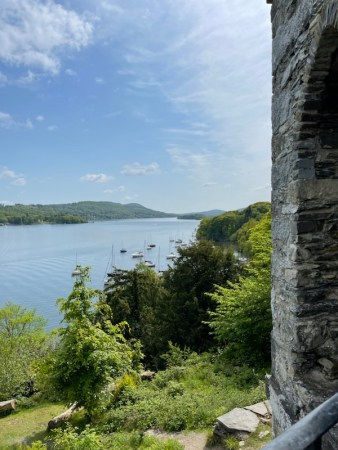
William Wordsworth knew this side of Windermere well. He was born and educated in the Lake District. Giving directions to Henry Crabb Robinson in 1816, Wordsworth wrote:
“Put yourself under the guidance of an old woman, who will come out to meet you if you ring or call for her at a fantastic sort of gateway; an appurtenance to a pleasure house called the Station.”
We may have lost the use of ‘appurtenance’, but it’s worthy of a revisit.
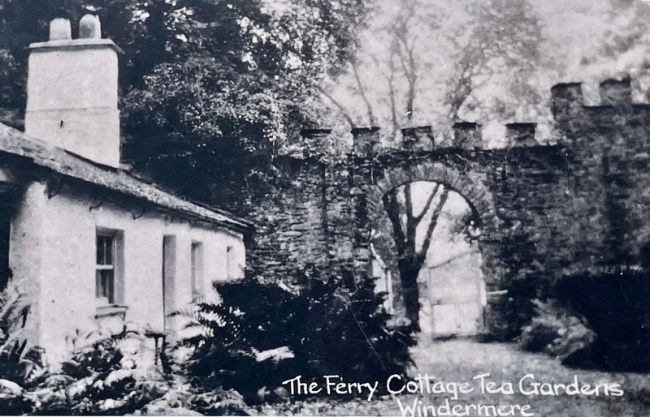
Joey’s Cafe, sited at what was the ‘old woman’s’ Ferry Cottage, is part of the historical structure that we were due to explore. It has seen many incarnations. Its modern life as a quality cafe is much appreciated by walkers like ourselves. We have to thank the venerable ‘old woman’ – whoever she was- for impressing the importance of her role on history.
Coffee finished, we walked up the track to explore the historical Claife Viewing Station, the place for which the ‘old woman’ had been the gatekeeper. Claife Heights is the high fell above here that runs half the length of the lake.
The viewing station was the large construction above us which looks out over the beauty of Lake Windermere. Visitors need to climb in an ascending circle to get to its ‘platform’. But when they do, the effort is instantly forgotten…
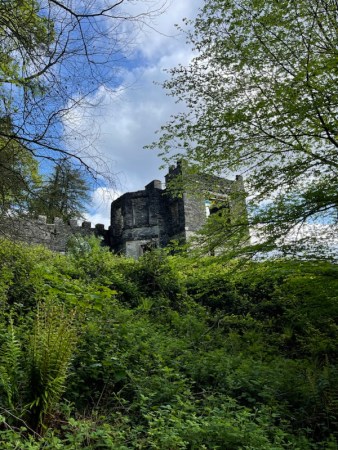
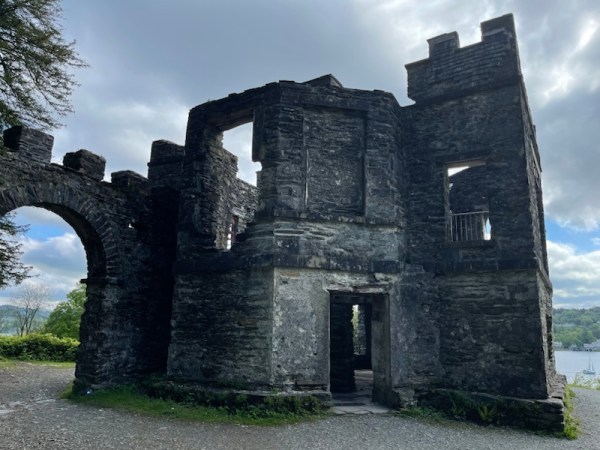

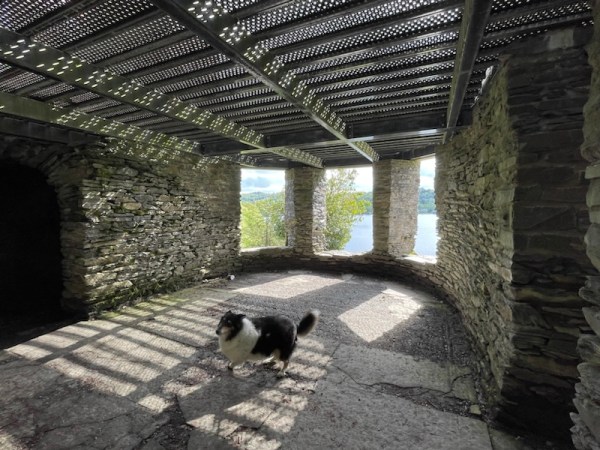
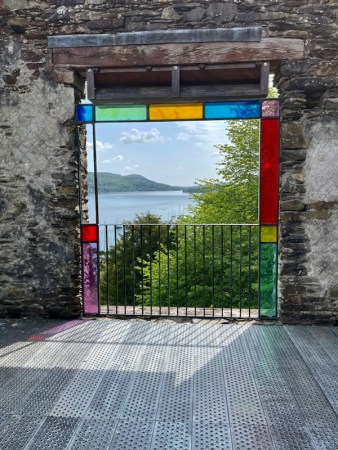
(Above: the views were considered too powerful for visitors to see without guidance. To this end they were supplemented by leaded glass panels and colour coded:
• Yellow to provoke thoughts of summer
• Orange to provoke thoughts of autumn
• Light green for spring
• Light blue for winter
• Dark Blue to suggest moonlight
• Lilac to conjure thoughts of a thunderstorm
It was almost too much to take in with one visit. we stood facing the natural beauty of Windermere and simply drank the vistas, letting their beauty affect the emotions of the ‘now’.
All this… and the Friday afternoon was only part way through.
To be continued in Part Two.
©Stephen Tanham 2023
Stephen Tanham is a Director of the Silent Eye, a journey through the forest of personality to the dawn of Being.
http://www.thesilenteye.co.uk and http://www.suningemini.blog
Share this:

+ #Silent Eye, #Silenti, Ancient Landscapes, Collie dogs, Consciousness, English Lake District, Mindfulness, Mystery Schools, Photographic techniques, Photography, Places and Prose
From Windermere to Sedgwick
by Steve Tanham
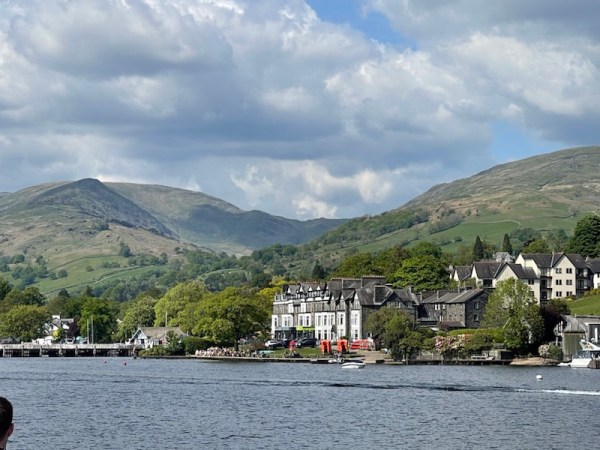
We have just needed the Silent Eye’s ‘Water-Circle+Cross’ weekend, which took place a forty minute journey away, on the shores of Lake Windermere, England’s largest lake.
The weekend had gone well; better than expected, in fact, and I will be writing up each of the days over the next couple of weeks. Our friend, Dean, had been staying with us and was due to return to northern Scotland on Tuesday, so we had time to relax for a couple of days and enjoy the ‘glow’ of an event that had exceeded expectations, especially the fulsome May weather, bringing us bright sunshine for each of the three days.
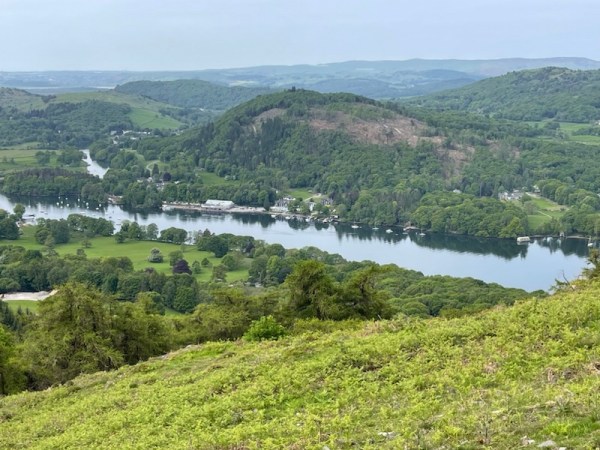
On returning to the house from the final journey – to the Gummer’s How peak, overlooking Waterside (photo above) we took Tess the collie out for a circular walk around Sedgwick and along a section of the river Kent.
Local landscapes tend to feel ‘flat’ after such excitement, but the quality of the light in the village made the ninety minute dog-walk very pleasant. The richness of the abundant local Hawthorn blossom was everywhere, and brightened the photos even further.
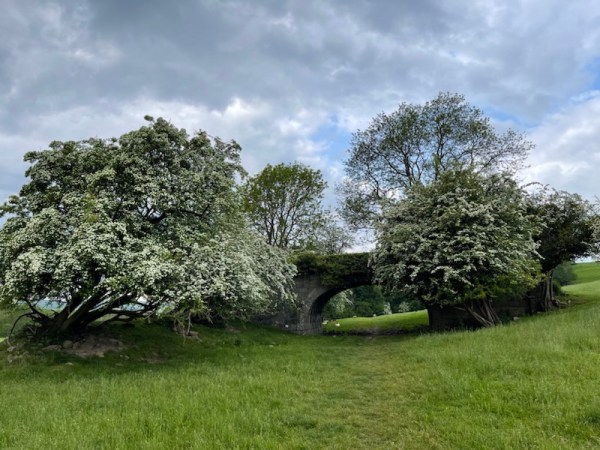
The open fields give way to the local forest, and the redolent greens of May deepen in the shadows.
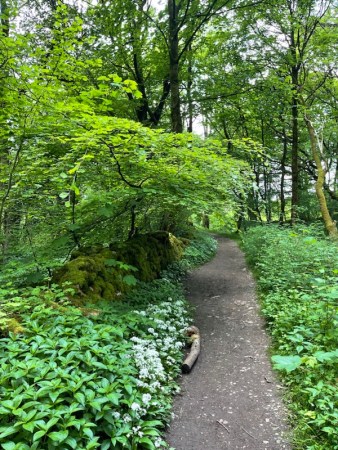
The forest behind us, we switch paths and descend to the banks of the river, one of the collie’s favourite places.
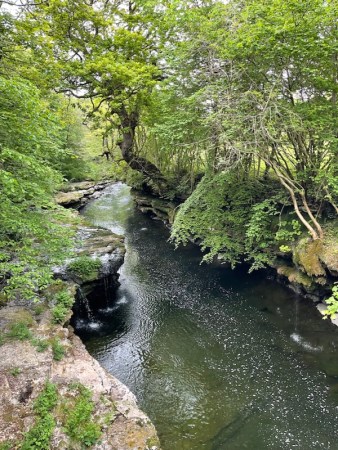
And then it’s a climb across two large fields and a small lane to regain the level of the old canal and the second of our ‘bridges to nowhere’ – Bridge No. 178.
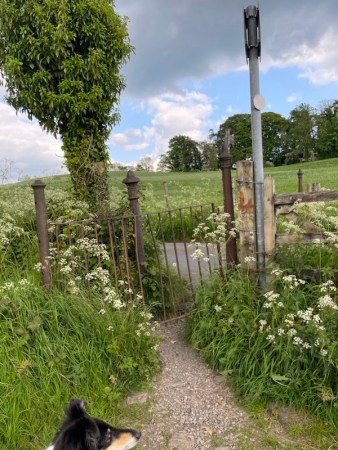
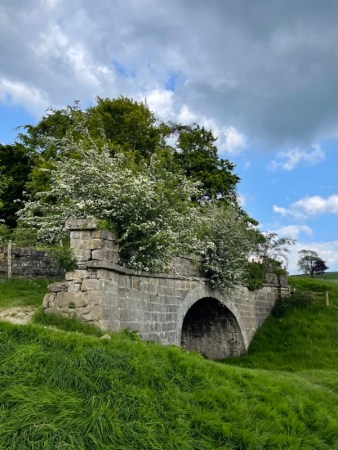
The final section is a level path along the old canal, which – though drained – is still visible. Here is a good place to photograph the early evening sky and admire its changing spectrum of colour.
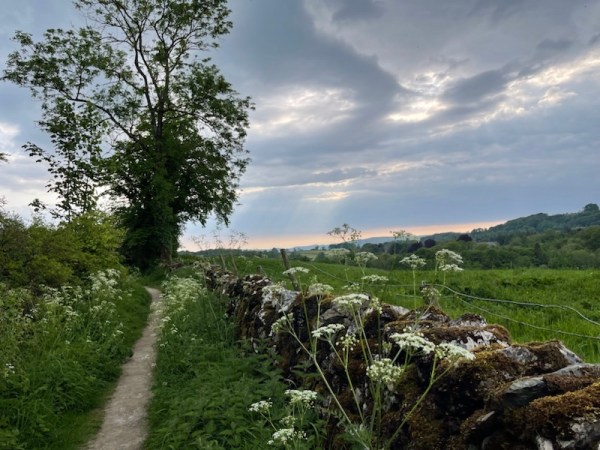
The ‘Water-Circle+Cross’ workshop, which took place on the weekend on 19-21 May, 2023, will be documented in the posts that follow.
©Stephen Tanham 2023
Stephen Tanham is a Director of the Silent Eye, a journey through the forest of personality to the dawn of Being.
http://www.thesilenteye.co.uk and http://www.suningemini.blog
Share this:

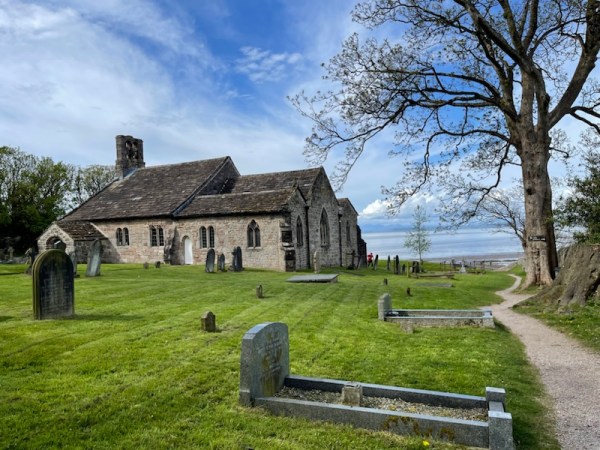
St Peter’s Church, Heysham, is simply beautiful. I’ve written about it, before. But there’s a rumour that something unusual is hidden on one of the gravestones.
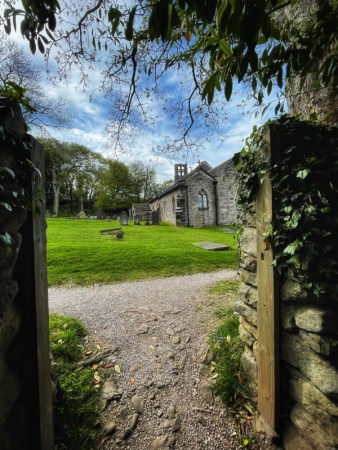
Equipped with the knowledge that its existence is real, we go looking…
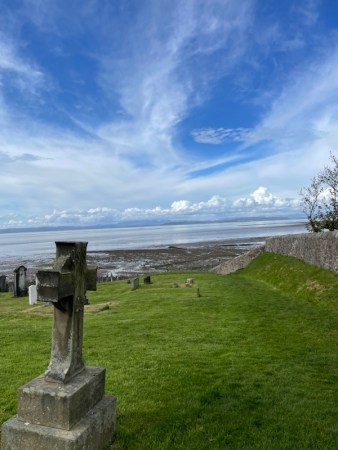
Past the flower gardens with the hidden benches. Down the slope towards the sea, but stop…
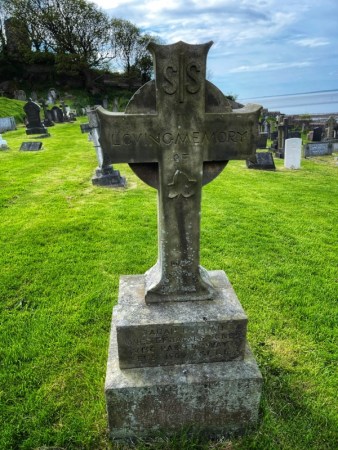
Beside the grave that seems to be visited more than others. And peer at the lettering around the base.
Where it says, quite clearly, and written by his wife…
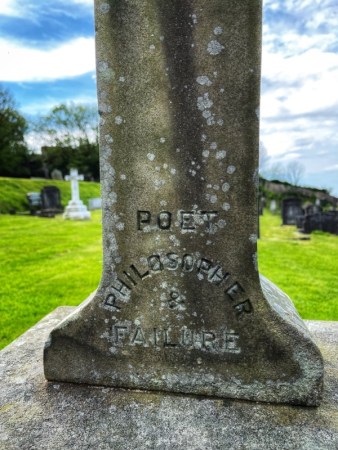
Poet, Philosopher and … Failure.
©Stephen Tanham 2023
Stephen Tanham is a Director of the Silent Eye, a journey through the forest of personality to the dawn of Being.
http://www.thesilenteye.co.uk and http://www.suningemini.blog
Share this:

4:30 wake up, 5 a.m. leaving, 5:30 a.m. breakfast, 6 a.m start…
It was the final communication before they set off…

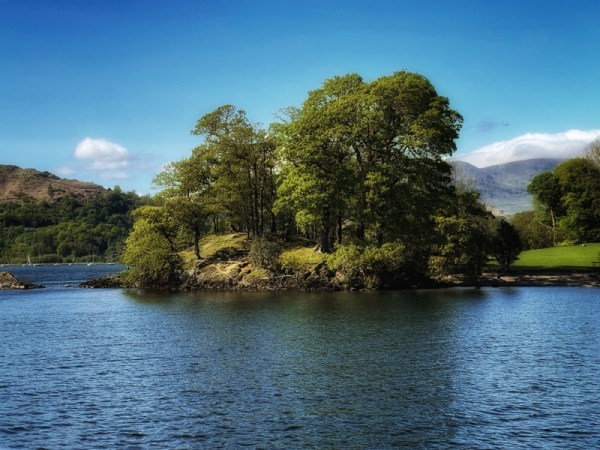
With 47 miles of gruelling mountain trail ahead, our intrepid walking companions – John and Angela, launched themselves into the dawn of a beautiful May morning, along with hundreds of other walkers, each determined to pit themselves against an entire circuit of all the hills immediately surrounding Lake Windermere – England’s largest lake.

There is increasing interest in the undertaking of what have become know as ultra-marathons. These attract both runners and walkers, who battle against the demands of energy and endurance as they attempt the enormous undertaking.

It’s difficult to go from ordinary local walks to, say, a 24 hour race of this nature. The LAP 24 hour race (of Lake Windermere’s surrounding hills) was created to offer a ‘gateway’ event for runners and walkers to step up to the level of ‘ultra marathon’, but within an infrastructure of support in the form of online navigation, food and real-time tracking.
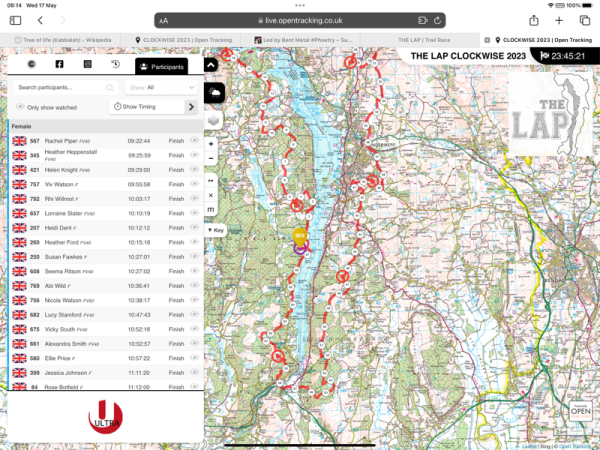
Safety and support are provided via five fully stocked food and drink way-stations along a route that circumnavigates Lake Windermere – Lakeland’s gem and Englands’ largest lake. There is no danger of running out of fluids … or calories.

The fully signposted route – with no less than 1,600 route marking arrows – is a challenging 47 miles long and follows some of the most stunning, runnable/walkable trails in the Lake District; many of them taking in the best views and vistas that the region has to offer.

At the half-way point there is even a bag-drop station, allowing a flannel-wash and refresh of clothing without the imposition of extra weight.

For those who finish there is a free meal and a medal made locally from fine wood.

The course has been cleverly created with the intent of attracting both those who know they can cope with this distance and also those who want to test themselves and see how far they can – safely – get.

Remarkably, those supporting the brave souls actually walking or running this vast distance are able to follow their progress via GPS tracking signals and mapping software. The result is an ‘eye in the sky’ experience that unites walker and supporters via a phone or computer screen. The signals are generated by an electronic tag attached to each competitor’s bag or clothes at the start of the race.

Those taking part have an eye-watering 24 hours to navigate the course around this most beautiful of England’s large lakes. This sounds generous but slow progress would entail walking through the day and night – a daunting prospect when you’re very tired and one that may not be safe.

For this reason, there is a focus during the second half of the walk – from Troutbeck onwards – on forecasting each competitor’s finishing time and counselling continuation or retirement.

Our friends had done really well, considering this was their first attempt at such a gruelling challenge. They had already traversed Claife Heights, Loughrigg Terrace and Wansfell Pike before descending to the way-station at Troutbeck.


They consulted the guides at the way-station, then each other, and laughing good-naturedly, decided to take the sensible option, and retire.

They plan to return next year, battle-tried and more experienced at the distance, to pit their determination against the beautiful peaks of the LAP event.
Angela later said, “Although we didn’t finish the race, we could think of no finer way to spend a day in the sunshine. It was truly beautiful up there…”
©Stephen Tanham 2023
Stephen Tanham is a Director of the Silent Eye, a journey through the forest of personality to the dawn of Being.
http://www.thesilenteye.co.uk and http://www.suningemini.blog
Share this:

+ #Phoetry, #Silenti, Ancient Landscapes, Consciousness, English Lake District, esoteric psychology, guided mystical walks
#Phoetry – Stone Fortress Mind
by Steve Tanham
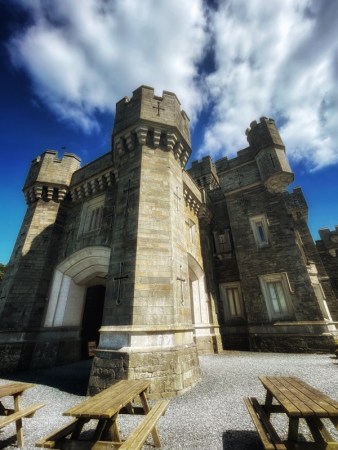
Beneath the skies of blue that ache with white-kissed beauty
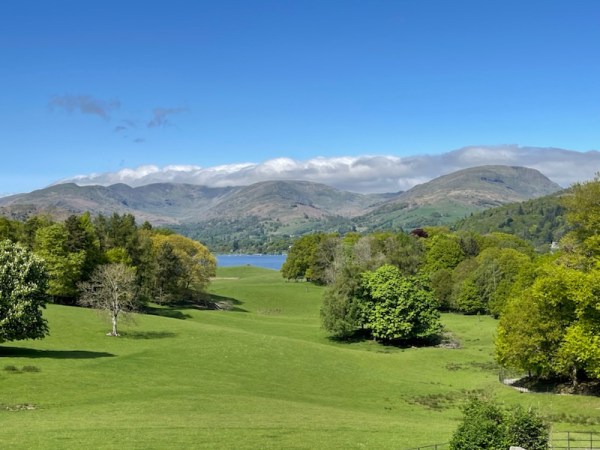
Beside the meadows’ deeper green that brightens every day
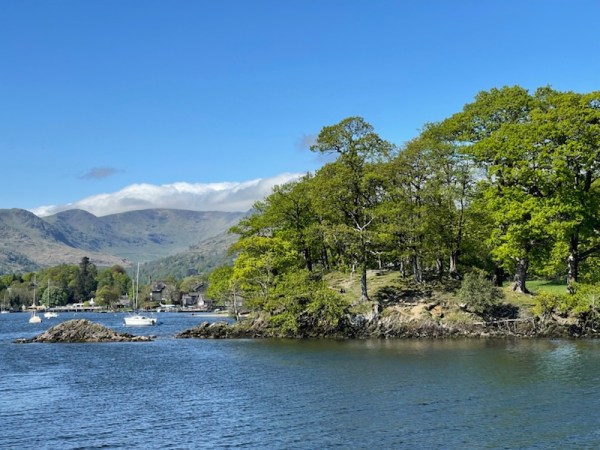
Beyond the water’s vastness blown by breezes on a million waves
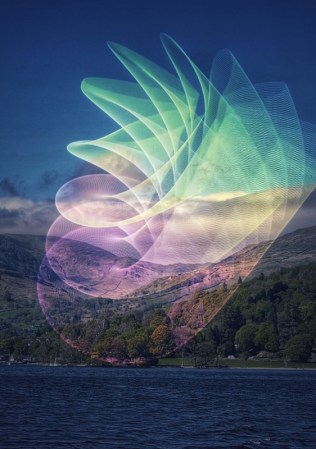
She waits for him to end his stone-faced exile.
#Phoetry is a hashtag amalgamation of the words Photography and Poetry, a form of visual and poetic communication.
©Stephen Tanham 2023
Stephen Tanham is a Director of the Silent Eye, a journey through the forest of personality to the dawn of Being.
http://www.thesilenteye.co.uk and http://www.suningemini.blog
Share this:

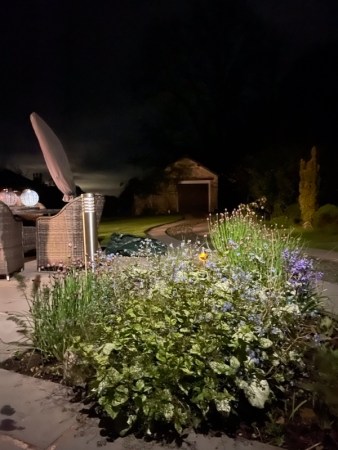
Why would I be out in the garden at midnight?
Good question. It’s the collie, you see. A good night’s sleep is greatly assisted by a dog who’s gone wee wees just before we all retire.
It often falls to me, as I’m a bit of a night-owl. So out we go. And I have to walk around with Tess, because she’s clever enough to pretend the business has been done then sneak back in.
There’s something about the light in May. It has a ‘beginning of the summer’ lushness.
And there it was; a small light from the corner of the house throwing a slight curve of illumination over the newly filled-out herb bed with a faint ghost of light fading its way up the path towards the old outbuilding.
Dog restored to the house, I returned smiling and feeling stealthy. Sometimes the ‘mood’ of the darkness changes from moment to moment.
But it hadn’t…
I jammed the iPhone against the brickwork of the house and fired off shot after shot, trying different framing.
I stared at the results for a while … then decided to share the best one here. I hope you like it and its mood.
©Stephen Tanham 2023
Stephen Tanham is a Director of the Silent Eye, a journey through the forest of personality to the dawn of Being.
http://www.thesilenteye.co.uk and http://www.suningemini.blog
Share this:

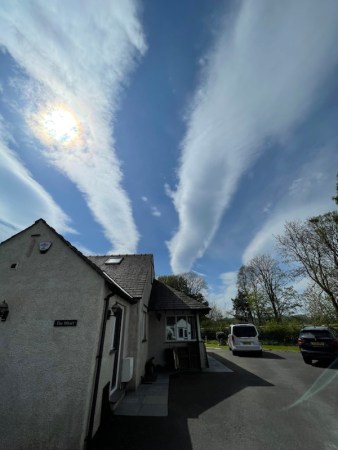
The sky was blue and windswept. The clouds had a definite formation to them. They were pointing at the nearest part of the coast, their central blue line line exactly mirroring the River Kent, whose last two miles curve through Levens Park, ancestral home of the Bagot Family.
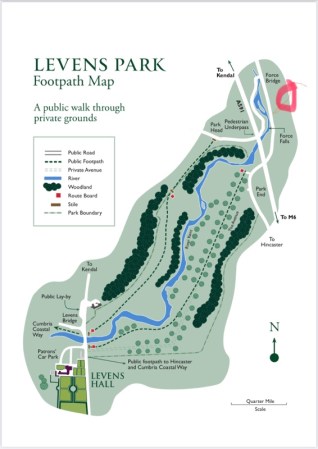
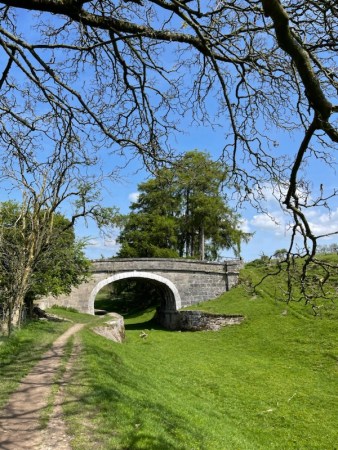
We are fortunate in the village of Sedgwick to have two points of access to Levens Park. The line of the old canal – built in the 1820s but now either filled in or an empty ‘half-pipe’ in the farming landscape – cuts right through the village, and the canal path takes you to within two minutes’ walk of the stile at the Levens estate’s northern edge.
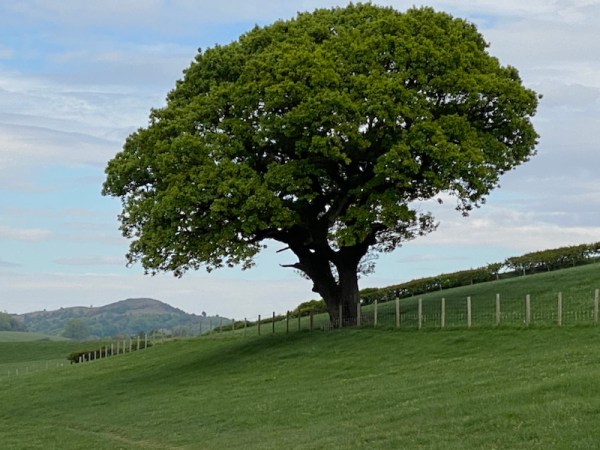
We follow the high ridge out of the village and past my favourite oak tree, now coming into leaf.
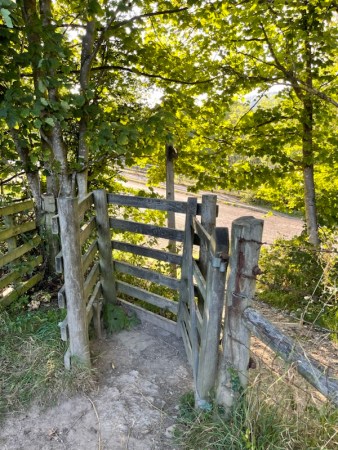
The high path of the old canal divides. We take the lower track which plunges down to a gate that opens to a local road.
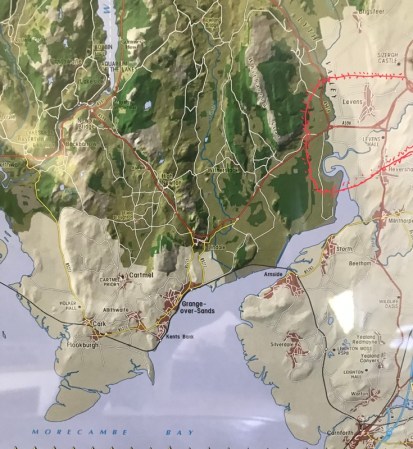
Immediately, we hear the tyre roar from the giant cut in the landscape. The sheer size and presence of the A590 is a stark contrast to the quiet fields of our stroll so far. There’s a sense that it doesn’t belong … and yet it does. It’s an absolute lifeline for those living in these parts.
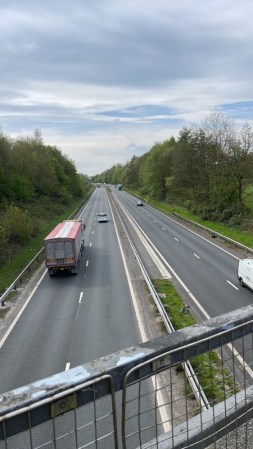
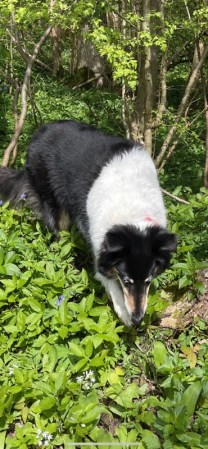
Passing over the dual carriageway, we cross over a stepped stile that Tess has learnt to navigate. I remember the panic in her eyes when she first saw it as a pup. These days, she can manage the whole thing by herself – which she now proudly demonstrates…
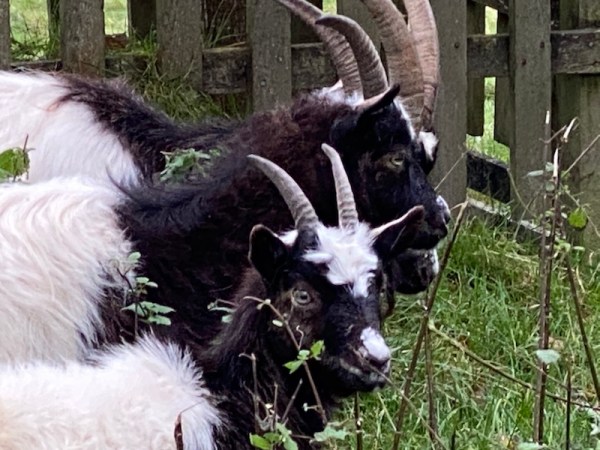
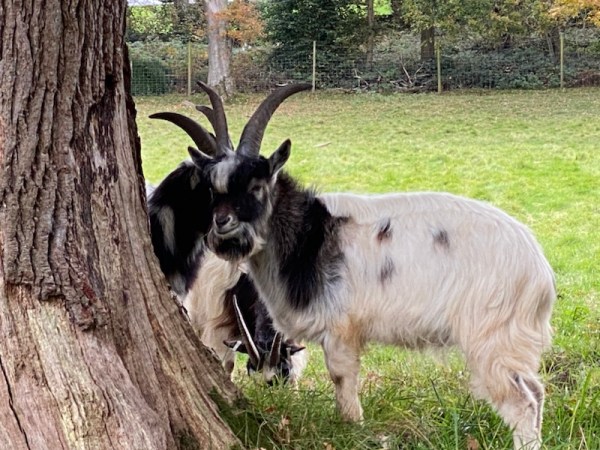
The north end of Levens Park is famous for its Bagot Goats – a rare breed named after the ancestral family who now breed them. They are known to be inquisitive and relatively fearless, as they proceed to demonstrate.
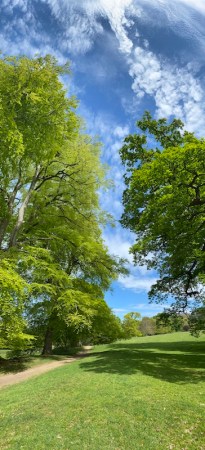
The central sweep of Leven’s Park is defined by two features that mirror each other: the River Kent, in its last mile before it flows out into Morecambe Bay; and the central avenue of tall trees that line the main track through the estate.
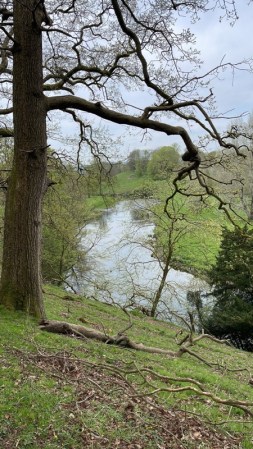
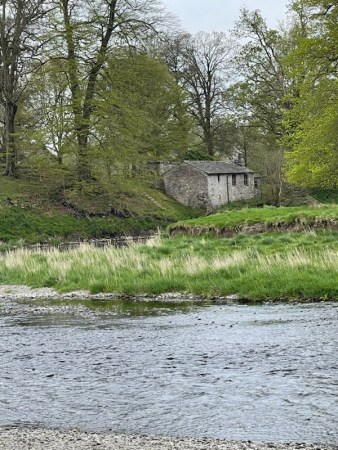
Far below the tree line, the River Kent bends itself around the hill as it enters its final stage as water defined by land… Soon it will be water defined by water.
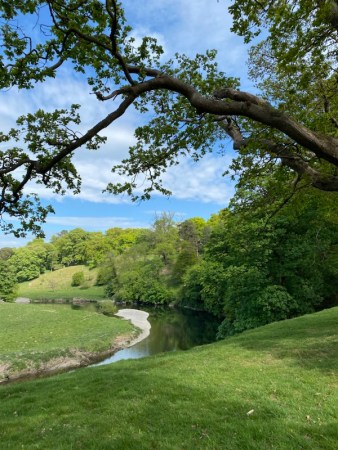
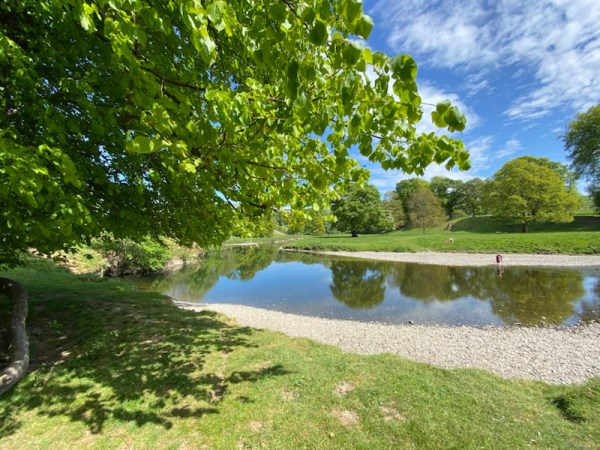
I have one final duty before we exit the riverside park – to take Tess for a stone-chuck down by the river. She knows full well she’s never going to find the vanishing pebbles, but barks and dashes as though she intends to return each of them.
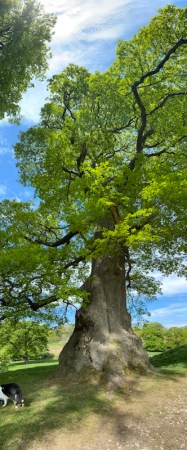
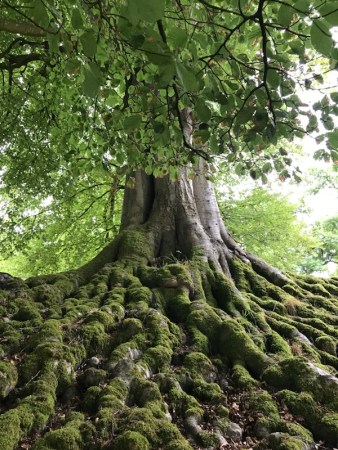
And then its a scramble up to the path, again, via a giant and venerable tree with a vast root system spreading down towards the water.
The park ends with a steep climb up steps that were not designed for man and dog…with a narrow pavement that risks dropping the unwary onto the busy trunk road!
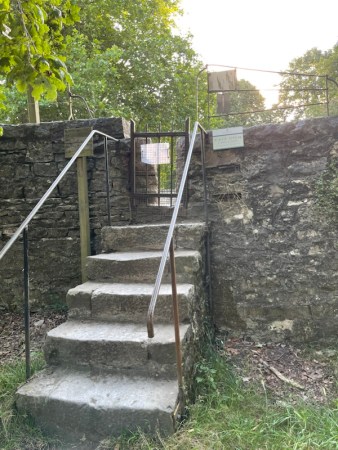
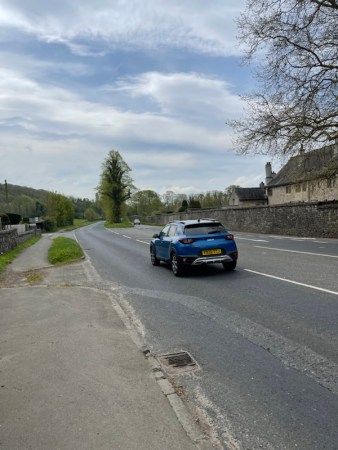
And then we’re into the safety of Levens Hall with the main building lying to our left, behind the wall.
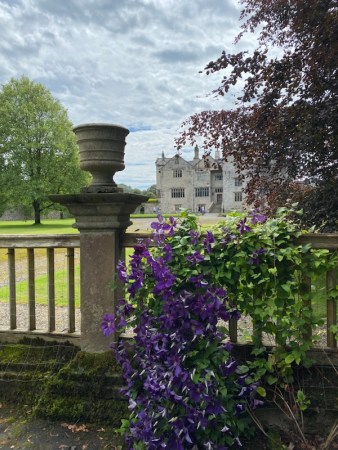
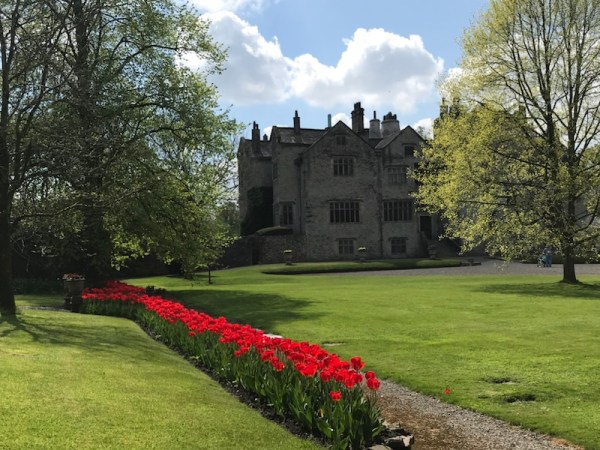
The first house on the estate was built by the Redman family in the 14th century as a defensive tower – known as a Pele Tower. These were tall structures of refuge to offer protection against the constant raids from border ‘Reivers’. Often, as here, they were built first – before the main dwelling; such was the importance of a place of safety alongside the dwelling place.
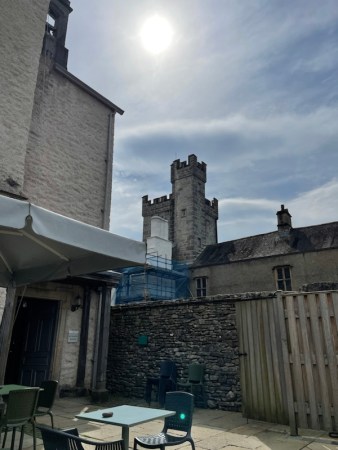
Much of the present hall at Levens dates from the Elizabethan era – including the fabulous topiary gardens.
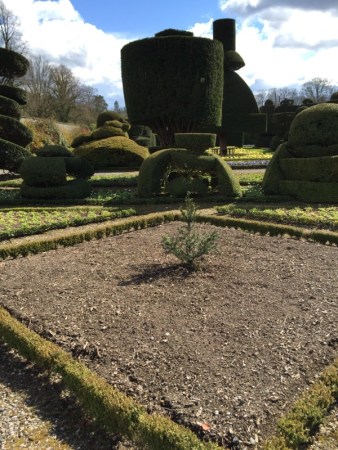
For now, I’m content to savour that final look at the River Kent as its enters the tidal flow…
And await that much-needed latté…

©Stephen Tanham 2023
Stephen Tanham is a Director of the Silent Eye, a journey through the forest of personality to the dawn of Being.
http://www.thesilenteye.co.uk and http://www.suningemini.blog
Share this:

+ #Silent Eye, #Silenti, Consciousness, English Lake District, esoteric psychology, guided mystical walks, meditation, Metanoia, Mindfulness, Soul, soul in body
Emotional journey of the Deep-Me (Part 1)
by Steve Tanham
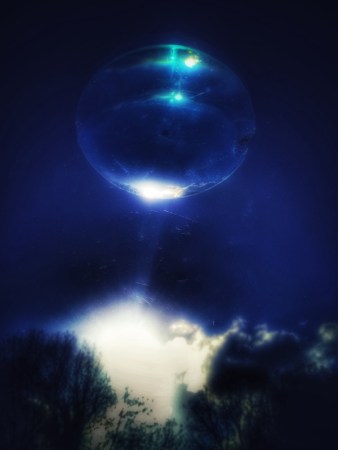
The spiritual quest is simple: we need to:
(1) Recognise that, in our present ‘state of mind’ we are not as we could be.
(2) Begin to follow those ‘inklings’ within us to a new ‘Kingdom-Queendom of me’.
(3) Keep our eyes – and minds – open for clues that may provide simple or substantial course-corrections.
(4) Observe everything as though the end of this day were the end of our life…
Simple then… But we may need some help.
There are some deeply helpful tools in our kitbag that can help us take what may seem an initially unsettling journey.
One of these is the EMOTIONS.
Emotions are the movements of energies within us. We are elated when they move in one way and depressed when they move in another but the whole framework of their movements belongs to us.
And our reaction to them governs everything…
All of this means we have carefully crafted our negative emotions…
Emotional energy is one of the greatest allies we can have to propel our progress to the Deep-Me.
We are not used to the influx of ‘right-energy’ from within us.
When it first comes, it’s like an infusion of the most delicious optimism, and there is no doubt it belongs to ‘you’.
In posts that follow, we will explore the elements and steps of this journey. The content will mirror the stages of the Water-Circle+Cross workshop on the weekend on 19-21 May. For more details contact us on Rivingtide@gmail.com.
©Stephen Tanham 2023
Stephen Tanham is a Director of the Silent Eye, a journey through the forest of personality to the dawn of Being.
http://www.thesilenteye.co.uk and http://www.suningemini.blog
Share this:

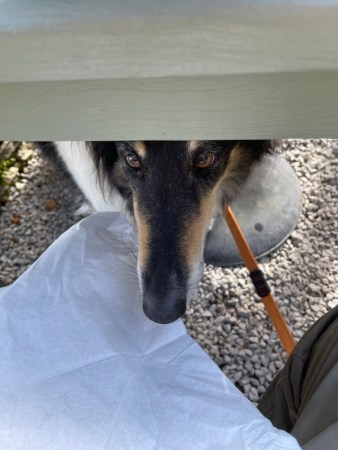
You may not have been there…
You may not be a ‘dog person’. Heaven knows I wasn’t.
Cats were my thing. A lifetime of cats; beautiful furry, purry creatures that are haughty and mysterious and can manipulate space, time … and place, when you’re looking for them.
But few of them would wait by your side when you’re having a sandwich in the garden of a country pub.
And none of them will sneak under the table when you’ve dropped your napkin…
To offer it back to you.
©Stephen Tanham 2023
Stephen Tanham is a Director of the Silent Eye, a journey through the forest of personality to the dawn of Being.
http://www.thesilenteye.co.uk and http://www.suningemini.blog
Share this:

+ #Silenti, Ancient Sacred Sites, Consciousness, esoteric psychology, Higher Mind, landscapes, Photography, Silent Eye School
Fear No Object
by Steve Tanham

I was looking through some photographs from various trips we had taken, when prepping Silent Eye weekends. The beautiful hills of Derbyshire were a home for our monthly get-togethers, largely because they gave a sensible meeting-point for journeys from home that began in Buckinghamshire, South Yorkshire and Cumbria.
The opening shot is the only one of this post that is not Derbyshire. Tess is looking down from Loughrigg Fell, here in the Lakes. It was taken during one of our exploratory hikes to get the timings right for the forthcoming ‘Water-Circle+Cross’ weekend on 19-21 May, 2023.
The reminiscing got me thinking about how much of our investigations into human nature – our own included – revolved around the experience and effects of fear. This is not said in a negative way: our focus was the elimination of fear by preventing it being an unknown.
We are not the first to propose this. The great modern philosopher Krishnamurti made it a cornerstone of his teachings, though he made you work for an understanding of what he taught…
Built into us as the primary (conscious) survival mechanism, fear can become corrosive in our lives if we let it live front and centre in our consciousness. In order to protect us, its voice is preeminent; but that authority can be challenged, understood and reacted to differently. The trick is to make its working conscious…and anticipated; then we have a choice as to how to act. Even in extreme cases.

Sue Vincent had used this as one of her central themes. One of her favourite motifs was the idea of ancient tribes using that fear – and overcoming it – as a rite of passage to a higher state of consciousness; a voluntary process that created a true priest from an ordinary life. It’s a similar story of initiation within many cultures around the world.

Such moments are usually pivotal in the lifetime. Each of us has their own direction, and presence with what is the heart of our lives and existence. That ‘contact’ is deeply personal and powerful. But it has to be found in a way that reinforces how powerfully personal it is … and has always been. In much of Sue’s fictional writing on the subject, the person involved may have been groomed for the role, but nonetheless is facing the unknown.
Many of Sue’s experiences of the later decade in her life were in the hills and dales of Derbyshire, where she and Stuart used their precious free weekends to explore potential sites for Silent Eye landscape workshops.
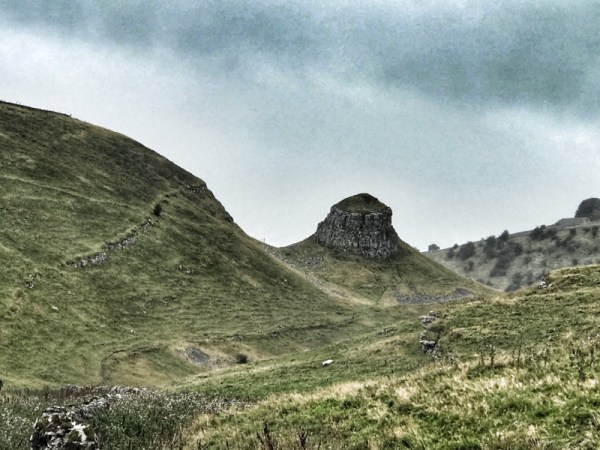
On one of these journeys through Derbyshire, they identified a mysterious hill near Wardlow, at the northern end of the beautiful valley of Cressbrook Dale, which links the village of Wardlow Mires with the dramatically located Monsal Head.

The top of the encountered ‘sinister rock’ could be approached via a narrow and hostile gully which runs across its spine. Sue said she felt physically sick as she climbed this, and was unable to haul herself over the final ledge of stone and onto the summit.
Stuart had stayed to support her, so neither had made the small plateau at its peak – and the presumed spectacular view down the valley. They reported that the upper surface appeared to slope, so its safety was called into question.
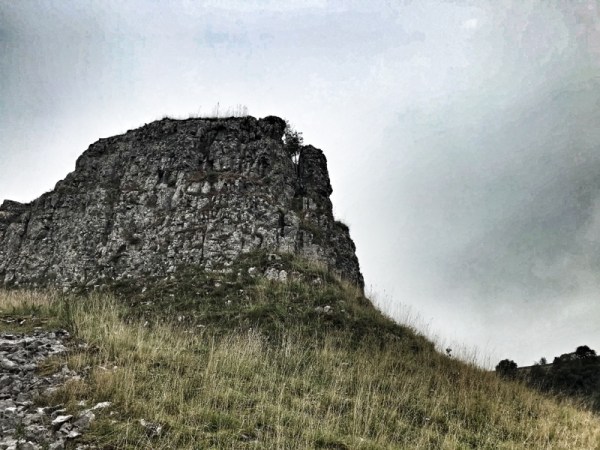
On one of our monthly meet-ups in Derbyshire, they took me to the hill so I could feel its energies. It did feel ominous, and we had heard that it had a troubled history. Its real name was Peter’s Stone – biblical, one assumes, but it also had a local name: ‘Gibbet Rock‘.
A little research revealed the full story.

Anthony Lingard was a labourer from nearby Tideswell. In 1815, just after his 21st birthday, he was convicted for the murder of Hannah Oliver, the Toll Keeper at Wardlow Mires, allegedly so he could steal her red boots.
The full story, assembled over many years by local historians, is slightly different. Lingard was a poor labourer whose girlfriend was pregnant. He knew that the Toll Keeper would have money on the premises. Whether by design or intent, he did murder Hannah Oliver. Fleeing the scene, he noticed her red boots and took them.
Lingard was caught, then tried and hanged at Derby Jail in 1815. The crime had so appalled local people that they petitioned for his body to be brought back to be hung in a gibbet from St Peter’s stone – which then became ‘Gibbet Rock’. His remains were left hanging in the gibbet so that the incarcerated skeleton would be a warning to others. It is thought this was last known ‘gibbet hanging’ in England.
No-one seems to know how long the remains hung there…

Enough to put anyone off…
It’s a popular tale amongst Derbyshire’s professional story-tellers, apparently. Pint of beer in hand, they regale visitors with a lurid tale of Hannah’s death at the hands of a man intent on stealing her red shoes. Not quite how it happened, but a better front page for the red-top.
On my visit to Gibbet Rock, the hill commanded a wonderful view down the valley, and, to me, was calling out for a fuller exploration. Legends often grow up around such places, but their ultimate purpose is not always what it seems.
Sue and Stuart were happy for me to make the final ascent on behalf of the group. I scanned the rock. There was an obvious route involving some stable hand-holds. Many others had been this way. Less than a minute later, I clambered onto the plateau at the summit.
To be met with beauty…

Sue later drew on the location for her writing.
Is there a moral to the tale? No single sentiment, for sure… Sue’s fear was real. Stuart’s care for her was paramount. My propensity to ‘give it a try’ is well recorded…
The key to why all this is important is Sue’s belief that there existed – now and throughout history – a psychological process that produced ‘priests of the spirit’, and that the landscape contained certain locations that were propitious to this. She was certain that Peter’s Stone (Gibbet Rock) was one such.
This process always revolves around the individual’s triumph over fear. But it is not an ordinary tale of courage. What happens to the priest of the spirit, the shaman, or any other true hero, is a change of perception brought about by the intensity of the experience … and the courageous heart.
I have written, before, of the way our mind treats all external things as ‘objects’ and how this is hard-wired into our use of language: ‘I do this to that’.
It was and is our belief that all fear can be seen as an ‘object’ if its instinctive power is removed or reduced. When the hostile ‘it’ is seen as part of our-selves we can choose our reaction – or not to react at all. Sue believed this ‘presence’ with fear was at the heart of such ancient rituals, to which she was a modern empath.
Her sharing of that fear, she felt, was honouring those who had passed this way… on their way to greatness.
The three of us had always worked closely together. Here was a good example: Sue experiencing an empathetic dimension; Stuart, as ever, steadfast in support of her… and me… free to climb. And in that climb discovering a ‘new world’ – the beauty and otherworldly symmetry of the vista.
I doubt any of us saw the totality of that in the moment. My companions eagerly wanted to know what it was like ‘up there’. But the threefold nature of the action and the events that became its ‘container’ will linger long in the memory.
My extensive library of images from those times is proving to be quite a treasure-trove. If these blog-revisits are popular, I will look at doing a regular series of photo-driven ‘retrospectives’.
There is a postscript to the story. We were able to incorporate this landscape into one of our weekends. We used a lower-level plateau for the final ceremonial events but all were invited to take the tricky climb to the summit. Only one did – Briony Stott, a regular visitor and supporter of our events, whose Shamanic Healing practice is not far away from us in Penrith.
The smile on her face as she, too, experienced the Gibbet Rock summit was a delight, as the photo shows…

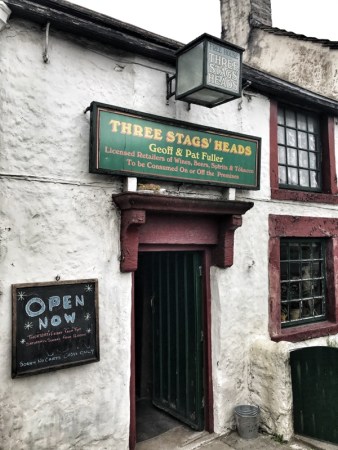
To finish the weekend, we walked back to Wardlow Mires, and the not-always-open Three Stags’ Heads… a mysterious place serving the strongest ales in Derbyshire.
It was open, and we had a wonderful parting lunch. During this, we learned that the building had been the Toll Office, the place where Hannah Oliver was murdered in the grim events of 1815.
May they all rest in peace.

©Stephen Tanham 2023
Stephen Tanham is a Director of the Silent Eye, a journey through the forest of personality to the dawn of Being.
http://www.thesilenteye.co.uk and http://www.suningemini.blog
Share this:

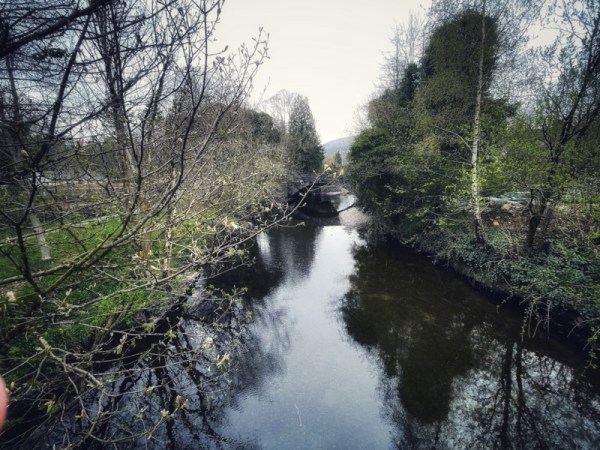
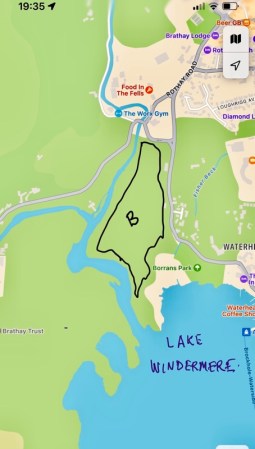
It’s largely unvisited by people passing this way en-route to busy Ambleside – just a mile up the road. I’ve been coming to the Lake District most of my life, and we now live on its southern edge, yet, until two weeks ago, I had never heard of the small triangle of land between the ancient Roman Fort and the Rivers Brathay and Rothay, whose name is Birdhouse Meadows.
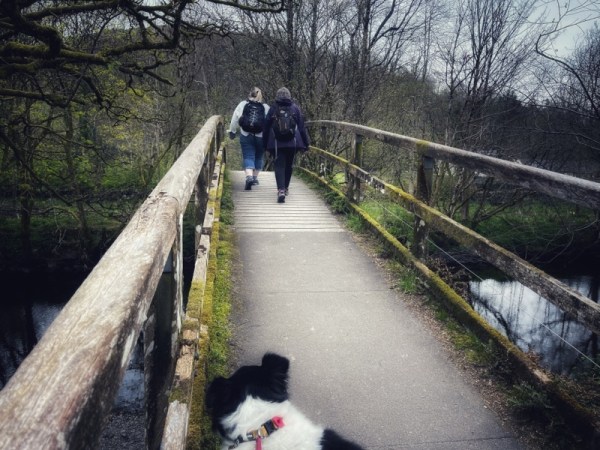
As the saying goes, we were simply passing through on the way to somewhere else..
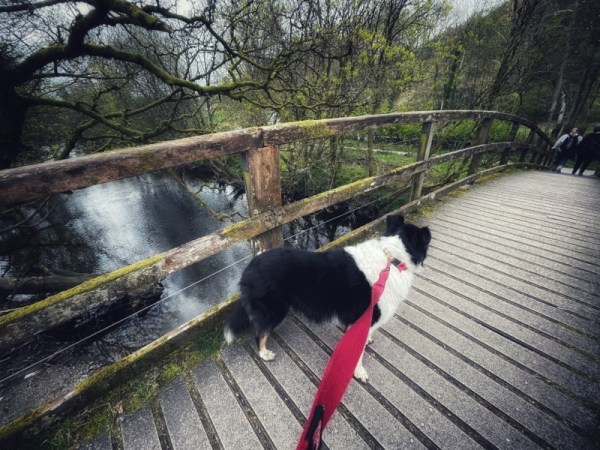
That somewhere else was carrying out a timing check for a Silent Eye walk down part of the eastern shore of Windermere via the Clappersgate district of Ambleside – the gateway to the famous Loughrigg Fells.
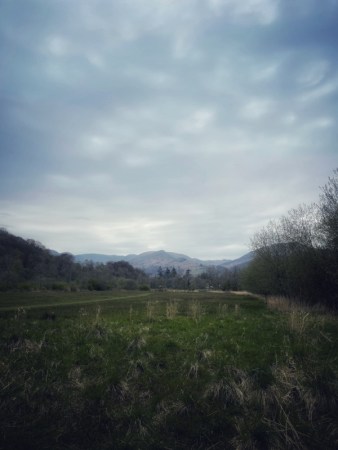

The weather was gloomy on the day of our visit. I’ve supplemented the shots with others taken of the surrounding landscape on previous occasions.
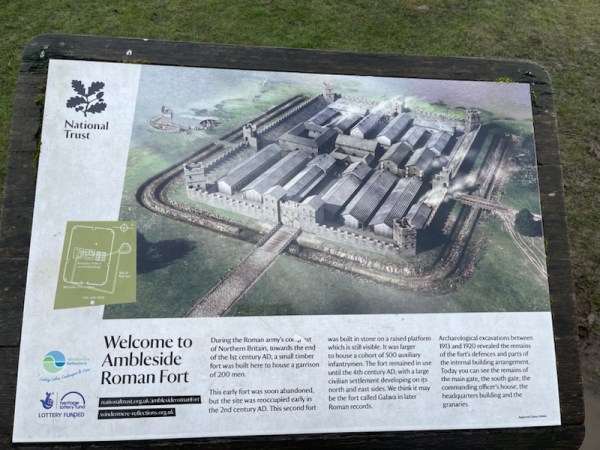
To find the Birdhouse Meadow, you need to skirt the Roman Fort ruins and pass through the gate that appears to lead to the very tip of Lake Windermere. This part of the land spends much of the winter and part of the spring flooded, so it’s not on most people’s explore list.
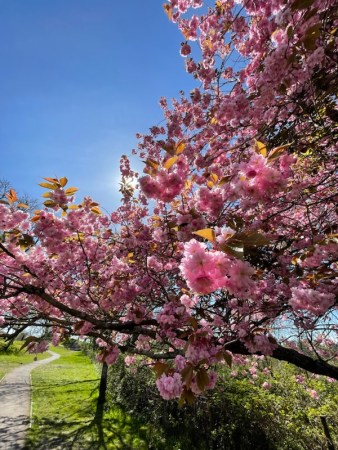
The Meadows shares the shoreline with Borran’s Park, famous for its views across to the Langdale Fells and for the quiet and dignified memorial to those who died at Hiroshima, when the first atomic bomb was used in anger to force an end to the war between the USA and Japan – and thereby bring WW2 to an end.

Birdhouse meadows are situated at the head of Windermere, where the Brathay and Rothay rivers meet.The winter flooded meadow comes into its own in spring and summer, when it becomes a special home for wildflowers, grasses, insects and other wildlife. The meadows are managed traditionally, without the use of artificial fertilisers.
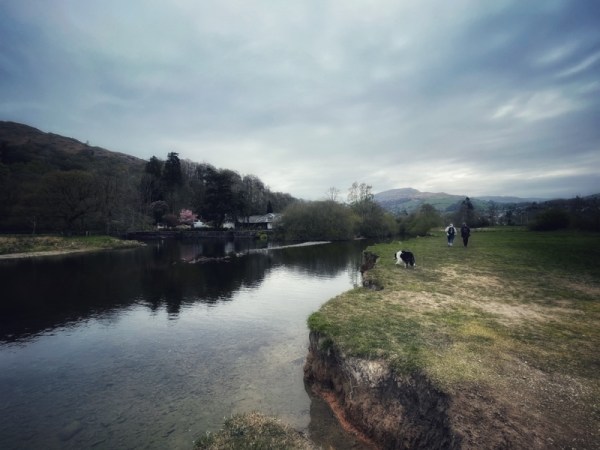
This encourages wild flowers to grow. Late cutting of the meadows, at the end of July, allows the flowers to set seed for next year.It is at this point that cows start to graze, which disturbs the ground and allows the seeds to germinate.
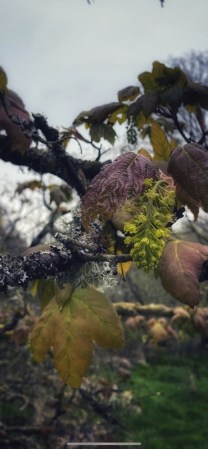
Characteristic plants found here include Ragged Robin, Marsh Marigold, Bistort, Hay Rattle and Eyebright. The vibrant combination of meadows, pastures, riverbanks, lakeshore, hedgerows, trees and sweet vernal grass make Birdhouse Meadows a very special place.


Birdhouse Meadows is owned and managed by The National Trust. It was created when The Lake District Tourism and Conservation Partnership invited local tourism businesses to help fund the wetland habitat and riverside walk.
One could say it has been a ‘quiet success’ … and deserves to stay that way.
©Stephen Tanham 2023
Stephen Tanham is a Director of the Silent Eye, a journey through the forest of personality to the dawn of Being.
http://www.thesilenteye.co.uk and http://www.suningemini.blog


 Sun in Gemini
You must be logged in to post a comment.