+ #Cats, #Collie dogs, #FurryFives, #InnerCatPeace, #RagDollCats, #Silenti, Cats, Collie dogs, humour, Pet Heaven, Rag Doll Cats, The Inner Cat, Your inner wolf
#FurryFives – the Edge
by Steve Tanham

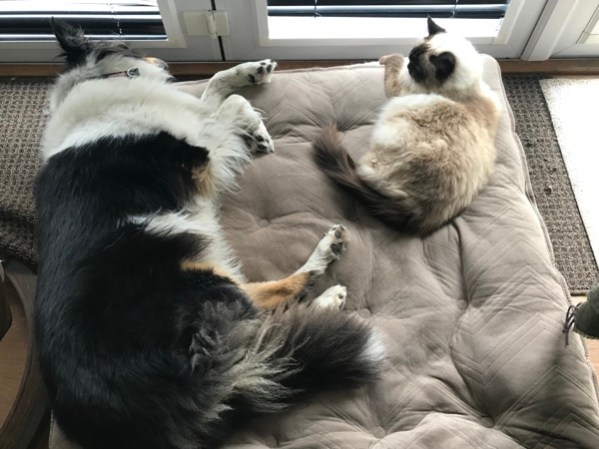
– You, know, Tess?
Yes, Misti?
– I’ve been thinking
Mmmm?
– One more dream and you’re going to roll off this!
©Stephen Tanham
Share this:

+ #Silenti, Ancient Landscapes, Ancient Sacred Sites, Celtic Christianity, Christianity and modern mysticism, Consciousness, esoteric psychology, Highlands of Scotland, landscapes, Magic, Mindfulness, Mystery Schools, Mystical ritual drama, myths and spirituality, Neolithic, Pentagram, Scotland, Silent Eye School, Spirituality
Three Days of the Oyster-Catcher (Part 7, Final) – Face to Face with Macbeth
by Steve Tanham
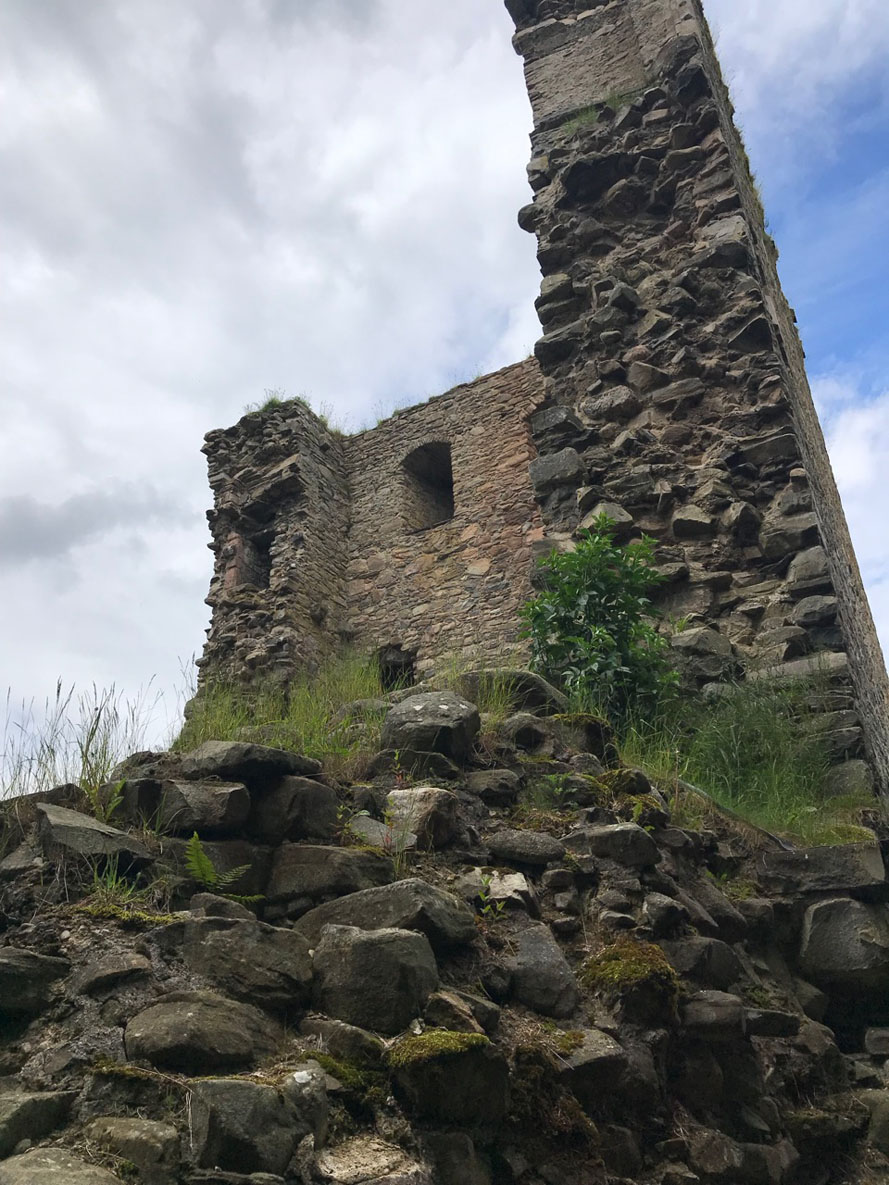
We were standing in the car park near Drumin Castle. Dean was using the visitor map of the Glenlivet Estate to describe the day ahead.

We were to begin by exploring an ancient and little visited stone circle on the nearby slope above the river Livet – The Doune of Dalmore. After this we would cross the river to the nearby ruin of Drumin Castle before driving across the Glenlivet estate to its south-eastern edge to conclude our work on the elements at Scanlan; the home of a secret seminary.
It was expected that we would be able to finish our workshop in time to allow the usual local lunch, together, followed by our departure. Many of us had far to go before we got home on that Sunday. In our case, the journey even to Cumbria was going to take at least six hours.
Both locations for the planned day are marked on the photo of the Glenlivet Estate, above, and have their own maps within the text.
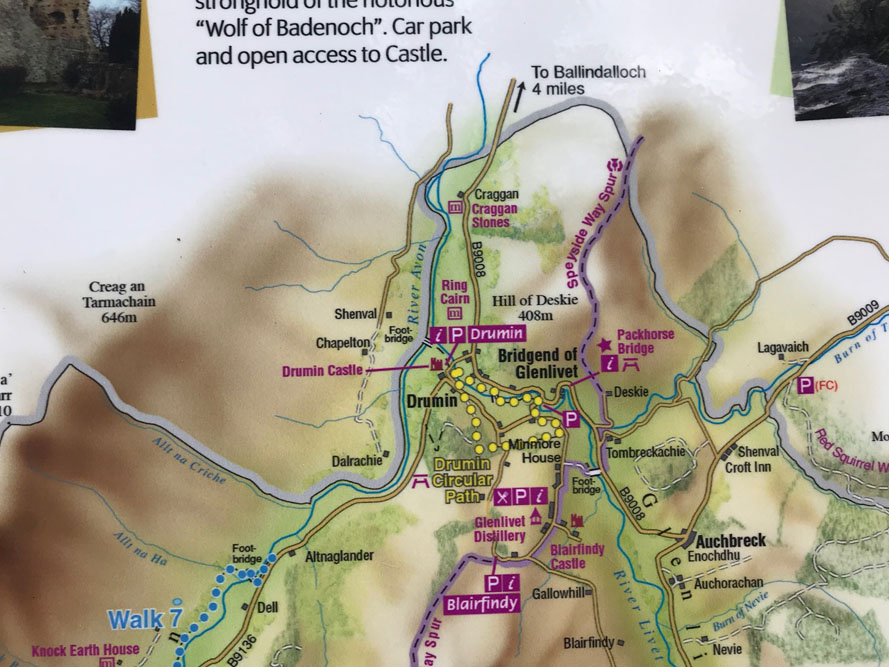
The Glenlivet estate comprises 23,000 hectares of some of Scotland’s most beautiful scenery and lies at the northern edge of the Cairngorm National Park, between the northern Ladder Hills and the Cromdale Hills. Two rivers – the Avon and the Livet run through its heart.
The land in Glenlivet is an elevated plateau and is always higher than 200m (600ft). Although remote, and on the edge of some of Britain’s highest mountains, the gentle landscape is easy to access and explore. People have lived and farmed this region since prehistoric times.
From the 1500’s to the early 20th Century, Glenlivet Estate belonged to the Gordon family, who became the Dukes of Richmond and Gordon. Their legacy can be seen throughout the region.

First, we had to cross the river Livet and begin the walk through the gentle meadows.

It was an easy climb to the Doune of Dalmore. Soon, we were standing at the base of the ancient site.

The Doune of Dalmore comprises the ancient remains of a ring cairn – a prehistoric burial monument with an open central area – and a stone circle that surrounds it. This type of circle and ring is known locally as a Clava cairn. The cairn is 13m in diameter and 0.7m high. Four of the stones of the surrounding circle are now standing, but some others, which have fallen, lie where they fell.

The day was mild and the weather kind. For the penultimate time, we assembled our ribbons into pentagrams, cornered with our special stones, and gathered in our groups of two to partner in inner vision and notation on the element of alchemical ‘Fire’. Fire is both potent and dangerous. It can work good and bad. Thoughts of the witches on the blasted heath came to mind; and also the essence of what they represented within the Macbeth story: they had no power to compel, merely to dangle before human ambition what ‘might be’.

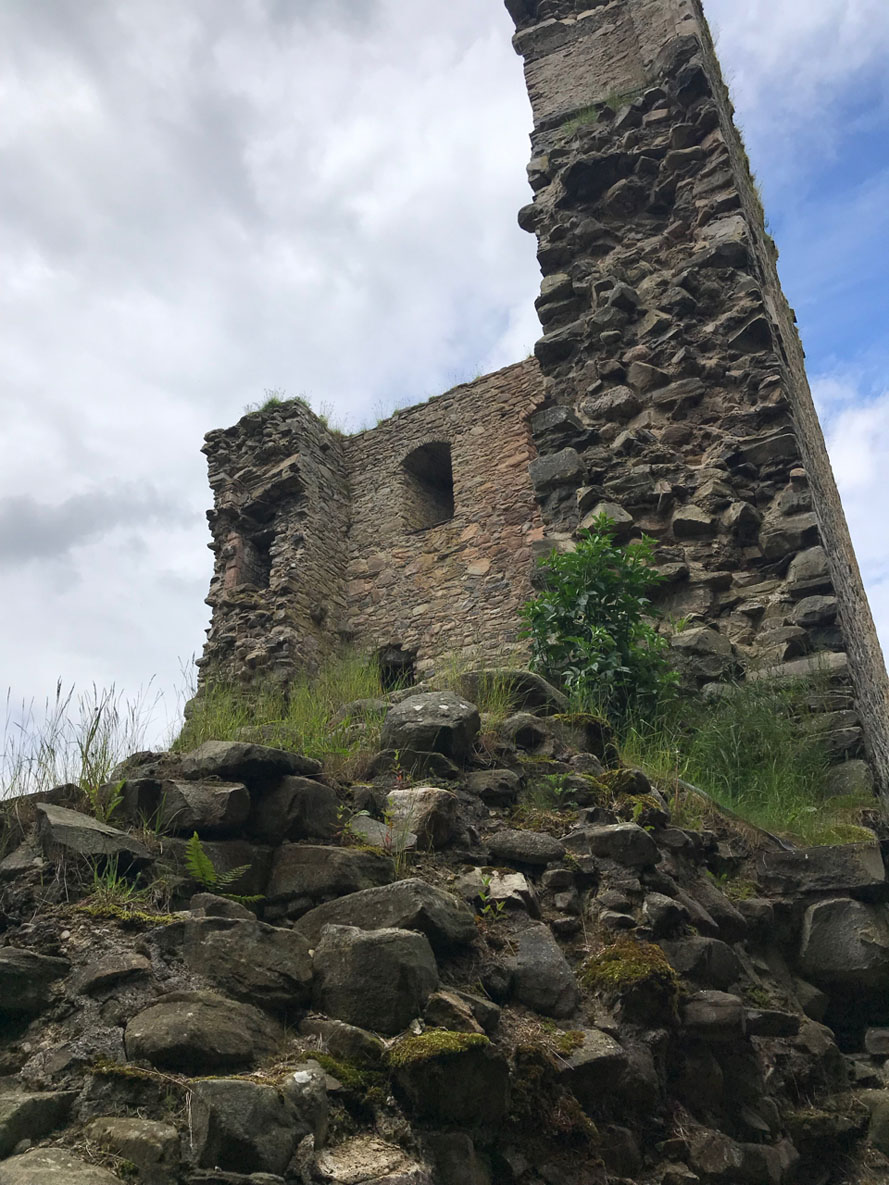
And then it was time to turn and look across the valley of the Livet river to see our next destination. It was our final day… and we had to be open to conclusions – our own and that of the landscape we had ‘asked’ to teach us. With some trepidation, I looked across the clean, flowing water of the Livet to the ruins of Drumin Castle beyond… Drumin was the home of the ‘Wolf of Badenoch’, known in history as ‘Scotland’s vilest man’…
In the words of Scottish historians, “Scottish history has its fair share of deeply unpleasant characters, but Alexander Stewart, 1st Earl of Buchan, is a strong contender for the title of least pleasant of the lot.”
Alexander Stewart, 1st Earl of Buchan, but more commonly known as the Wolf of Badenoch, and the Celtic Atilla, lived from 1343 to 1394. He was the fourth illegitimate son of the future King Robert II of Scotland and of Elizabeth Mure of Rowallan, but became legitimised in 1349 upon his parents’ marriage. His life is a classic example of an egoic character provided with the means to destroy on a wholesale scale.
The element of Fire had well and truly returned to our presence with the glimpse of the life of this evil man. He systematically abused the power his royal father granted him and was fond of burning towns and sacred buildings to the ground. The town of Forres is an example of the former, the destruction of Elgin Cathedral is the worst example of the latter.
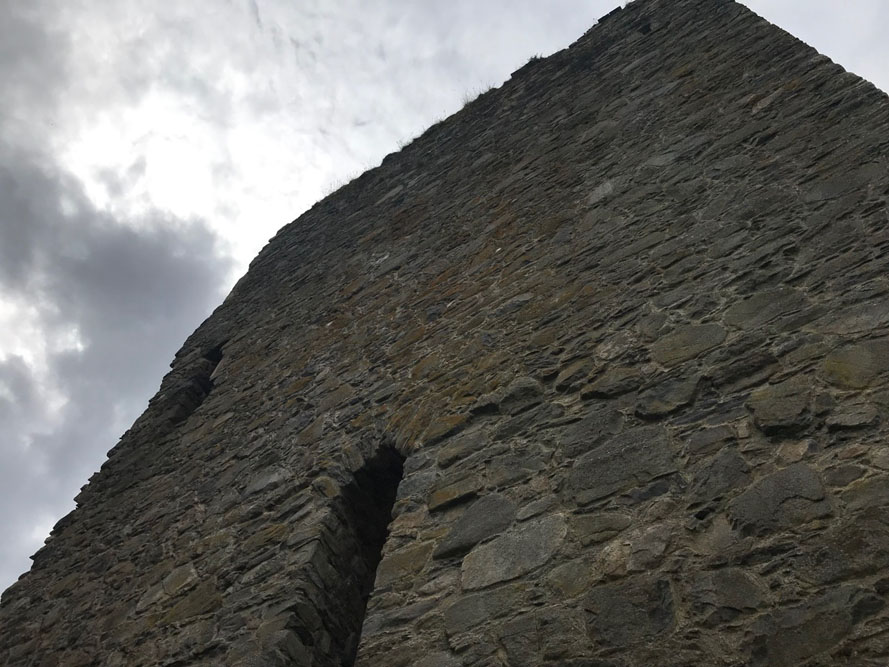
Shortly after, we descended across the meadows, re-crossed the river Livet and began the climb to the Wolf of Badenoch’s castle – Drumin. Scottish castles are usually compact structures. Drumin is strategically placed – overlooking both the river valley and the confluence of the rivers Livet and Avon (pronounced a’an).

Alexander Stewart died in 1394. He was buried in Dunkeld Cathedral. His tomb is, ironically, one of the few to have survived from Scotland’s Middle Ages. The details of the ‘Wolf’s death’ are unclear, but, as so often happens, the folk legend sheds light on both his life and death.
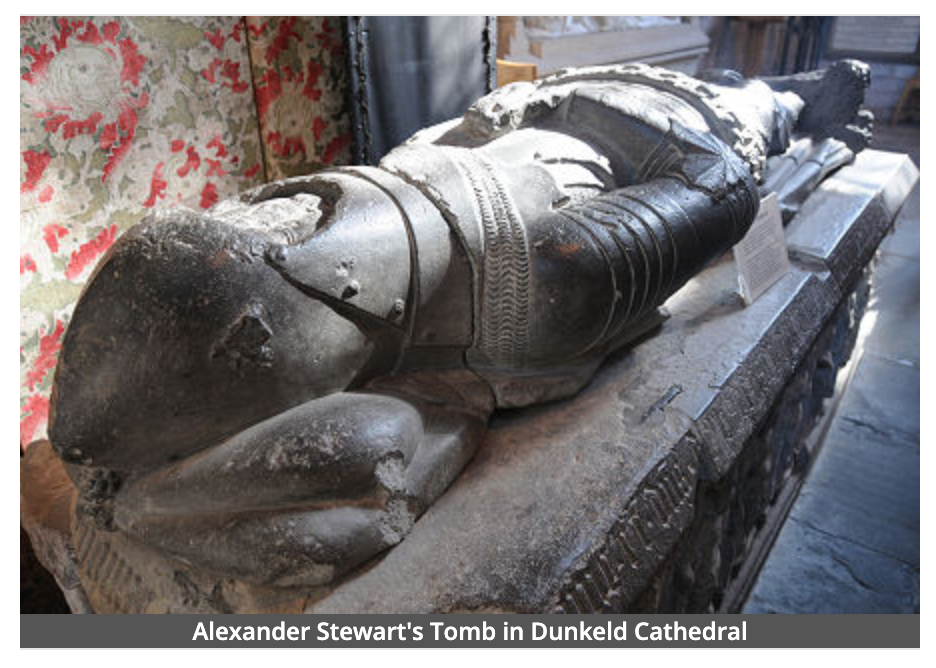
It is said that on the 24th July 1394, a black robed visitor arrived at Ruthven castle and challenged its owner to a game of chess. During the night that followed the castle was battered by a terrible storm, with intense thunder and lightning. In the morning the castle servants were discovered dead outside the castle walls. The Wolf of Badenoch was found dead in the great hall. His body was unmarked…but the nails in his boots had been torn out. This may have been a reference to Christ’s execution – Alexander Stewart’s being the opposite.
There was no sign of the dark stranger… Play ‘chess’ with the devil at your peril…

Shakespeare would have liked the story. There is no direct proof that Macbeth was based upon Alexander Stewart. Witchcraft was rife at the time of James I (James VI of Scotland) and the King lived in terror of it. Shakespeare based many of his plays on real historical figures. It is reasonable to propose that the Wolf of Badenoch was the fictional twin of the ambitious psychopath who brought such chaos to this part of Scotland.

There was a pleasant end to our visit to to Drumin castle. Part of the garden (see above) has been given over to allow the creation of Glenlivet’s Community Orchard – a place of mutual industry and kindness.
Soon, we were driving across the length of the Glenlivet estate to a place close to its south-east border.
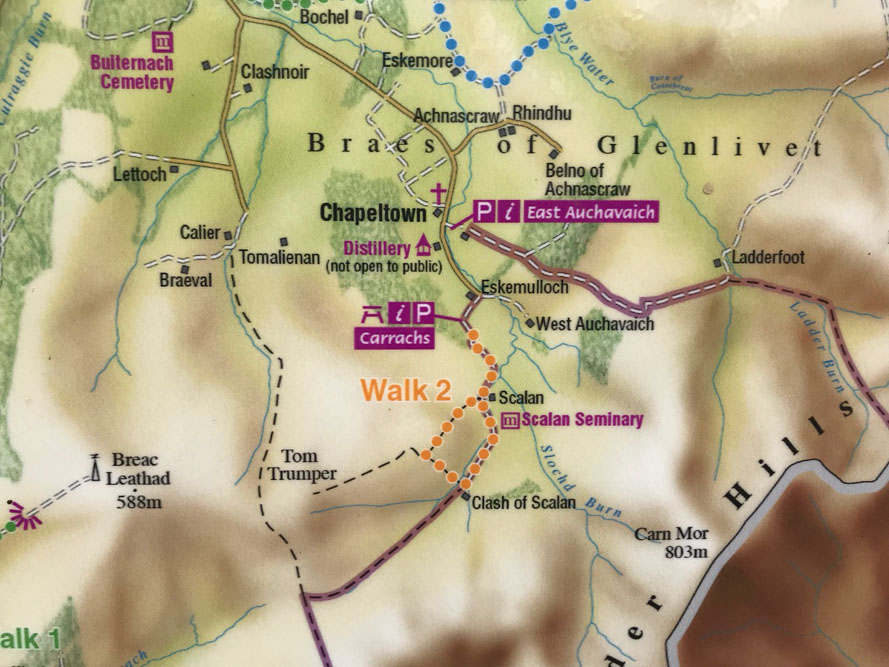
We were headed for the isolation of the Braes of Glenlivet; specifically, The Scanlan, a former and secret Catholic seminary for the training of priests and young men set to become priests.

During the 18th century, ‘The Scanlan’ was the only place in Scotland where young men could be trained to be priests – they were named the ‘heather priests’. During the period 1717 – 1799 over a hundred were trained, despite the persecution by Hanoverian soldiers following the failure of the Jacobite Rebellion. The location of The Scanlan was a closely guarded secret, and the site – at the head of a remote valley – was impossible to see until you were close to it.

Dean had visited the site of Scalan Seminary several times. He said that, often, he was the only one visiting. He had considered – given its remoteness and usual emptiness – that it would be an ideal basis for us to gather for our final exercise with the ribbon-based pentagrams.

But the ‘witchy fates’ had other ideas. Having made Findhorn beach disappear, and conjured mysterious winds to drag apart our ribbon pentagrams, they pulled off a spectacular strike on the final act in our ‘Macbeth play’.

The college played a vital role in keeping the traditional Catholic faith alive in northern Scotland. It’s name derives from the Gaelic word for a hut made of turf pieces – which is how the initial building at Scanlan was constructed.

In 1799, the religious training work of the Scanlan was moved to a less remote site, Aquhorthies College, near Inverurie. In researching this blog, I discovered I had a personal link to the tradition begun at Scanlan. My father’s eldest sister married a Glasgow man of the Catholic faith. The local church were helpful during the upbringing of my seven cousins, whom I used to visit every summer. The eldest son (my cousin) eventually left Glasgow to study to become a priest at Blairs College, in Aberdeen. Eventually, he left the priesthood and became a successful lawyer in Glasgow.

Blairs College had taken over the work of training priests from Aquhorthies College in 1929 and continued this work until 1986. It is, now, also a museum. There was therefore a strong, religious and cultural link between where I was standing at the end of our weekend and my cousin’s life… But I didn’t know at the time.

But… the witches, the tricky fates…
No sooner had we arrived ( a twenty minute trek along the land from the car park) than others began to arrive, too. By the time we had taken a quick look at the museum there were upwards of thirty people gathering in a pagoda outside the main door. One glance at the approach track showed there were hundreds more arriving.
It transpired that there was an annual (and well-dressed) pilgrimage to Scanlan… and this was the day…
In deference, we retreated to a point out of sight and over the next small hill, there to lay out our humble pentagrams and perform the last movements that would resolve our work of the weekend, bringing our inner strengths and vision to help dissolve our perceived limitations. All this was focussed on a set of inner symbols that grew into a composite image which we were to take away with us as a lasting focus and token of the work done.
It was beautiful.
By the time we had battled the incoming tide of visitors, and regained the road system, it was five in the afternoon; several hours later than intended. But everyone felt we had enjoyed an excellent weekend among the hills and valleys of this beautiful Scottish landscape.
The oyster-catchers were never far away, and their beautiful calling accompanied our entire weekend.
Our thanks to Dean for the great amount of work that went into planning and realising the three days. We look forward to further Scottish adventures, including “On the trail of the Picts”, our workshop for September 2020.
End.
Other parts in this series
Part One, Part Two, Part Three, Part Four, Part Five, Part Six,
This is Part Seven
©Copyright Stephen Tanham
Stephen Tanham is a Director of the Silent Eye School of Consciousness, a not-for-profit teaching school of modern mysticism that helps people find a personal path to a deeper place within their internal and external lives.
The Silent Eye provides home-based, practical courses which are low-cost and personally supervised. The course materials and corresponding supervision are provided month by month without further commitment.
Steve’s personal blog, Sun in Gemini, is at stevetanham.wordpress.com.
+ #Silenti, Ancient Landscapes, Ancient Sacred Sites, Celtic Christianity, Christianity and modern mysticism, Consciousness, esoteric psychology, Highlands of Scotland, landscapes, Magic, Mindfulness, Mystery Schools, Mystical ritual drama, myths and spirituality, Neolithic, Pentagram, Scotland, Silent Eye School, Spirituality
Three Days of the Oyster-Catcher (Part 6) Beyond the Blasted Heath
by Steve Tanham
We were all tired; it had been a wonderful day, and the weather had been kind – which is not always assured in Scotland… The brain tends to switch off, which is no bad thing when you are in a ‘holding’ group and the whole idea is to engage a different (deeper, gentler, non-analytical) layer of consciousness.
The path was very straight and shaded with overhanging trees. I could sense the beginning of dehydration, and resolved to drink a little of our remaining water supply when we arrived at the wide path to the place of our workings. I voiced to Dean how good the route was; he chuckled.
” Straight and well-kept? Yes – It’s the old railway line between Grantown and Elgin…”
I laughed back. The tired brain reacts to defend the idiot it has become but I let the smiles play out, without response. The art of silent acceptance is a rare thing in a world where everything must be reacted to… but those moments can trigger a state where the outer self – the personality – is made quiet.
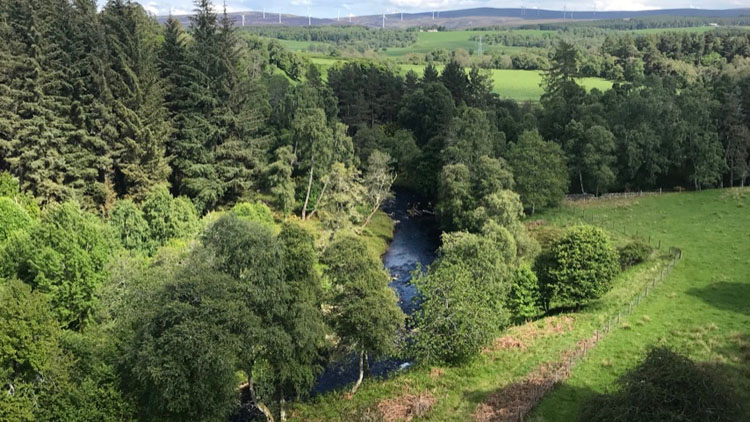
The timing was good… because, at that moment, the trees on either side ended and the world fell away. The splendour of the Spey Valley spread out below us like a detailed picture.
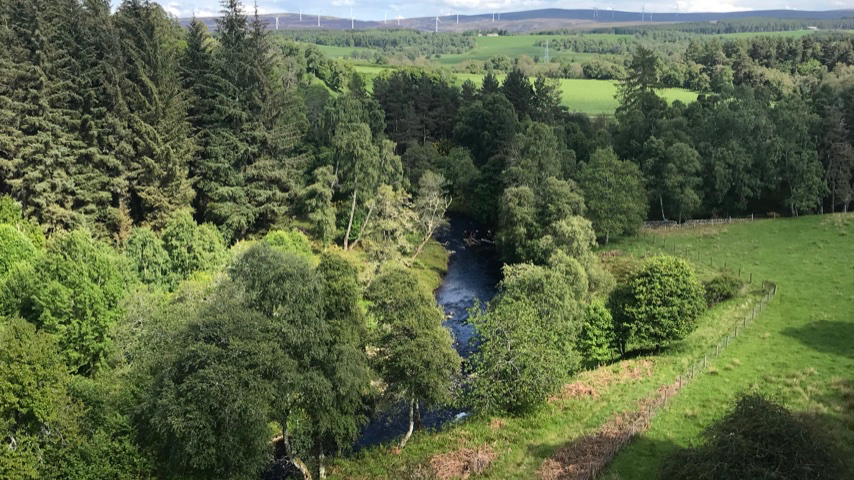
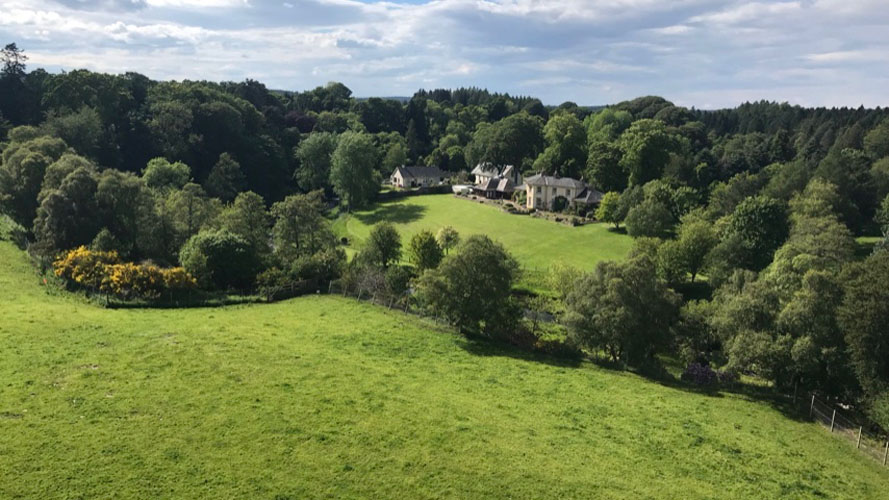
It was a beautiful surprise; and we could see why Eva and Michael had suggested it. The track that was the line of the old railway had led us to one of its highest viaducts, and this was to be the place upon which we would carry out our ‘Air’ exercises. What could be more perfect…
But beautiful locations often bring their own challenges, as we had found out when the well-researched and perfectly suited beach at Findhorn had disappeared at the high-tide! The challenge on the viaduct was the strong breeze, despite the otherwise warm and perfect day…
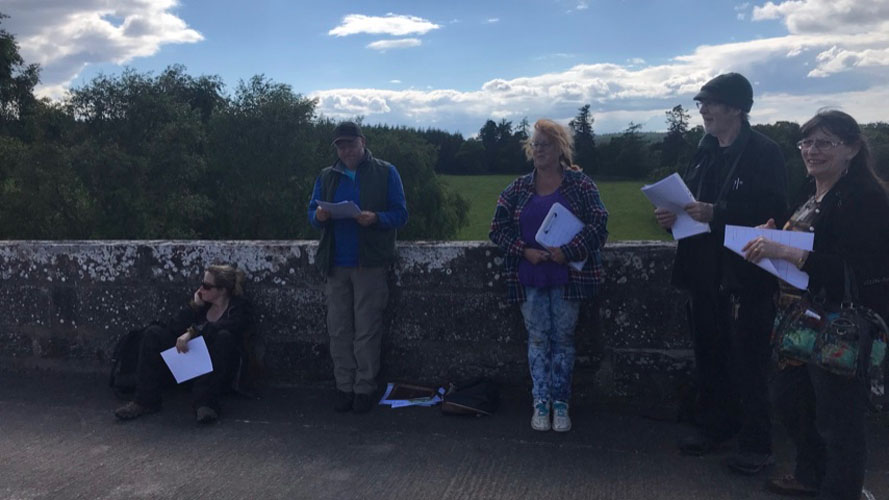
There is a well known saying that (to paraphrase) real life is what happens when you’re making plans for how you should live. One of the principles we emphasise in the Silent Eye work is the importance of being conscious of everything that is happening to us – whether important or seemingly trivial. Deeply significant movements in our lives can be mirrored in the small things of life. Humour is most definitely a feature of the spiritually-inclined life, as is the upsetting of perfect plans…
Like the wind on the viaduct… and ribbons.
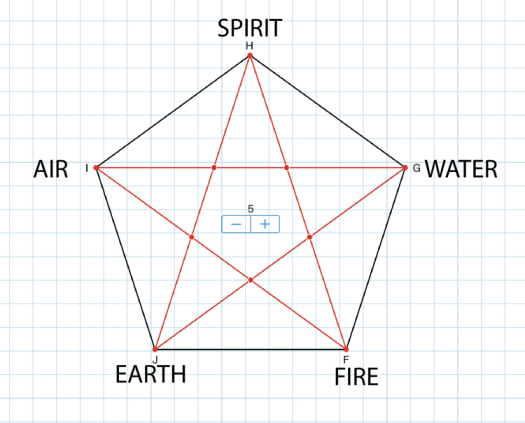
We had become quite skilled in the rapid assembly of our ribbon-based pentagrams. But five minutes of desperate ribbon-chasing later, we gave up and looked at Dean.
“Stones?” Our mock-exasperated expressions asked. When faced with the same problem in the dunes behind Findhorn beach, we had resorted to constructing the pentagrams by simply laying out five stones to mark the pointy bits. When you’re practised with pentagrams you can mentally pick out the paths that exist between them. Textured and coloured stones reflecting the attributes of each element (earth, air, fire, water and their summation – spirit) had been given to us in our first location by the River Spey on the Friday evening. Now, they were the only way of continuing our ‘elemental’ work.
As we laid them out the ‘breeze’ increased. By the time we had finished, and each of the pairings had recorded the other’s comments, we were ready to leave. We took a final look at the glory of the landscape below and headed back along the old railway line.
Our final action, prior to a group dinner back in Grantown-on-Spey, was to revisit the witches and for the ladies to carry out some more Macbeth ‘acting’; this time upon an actual ‘blasted Heath’.
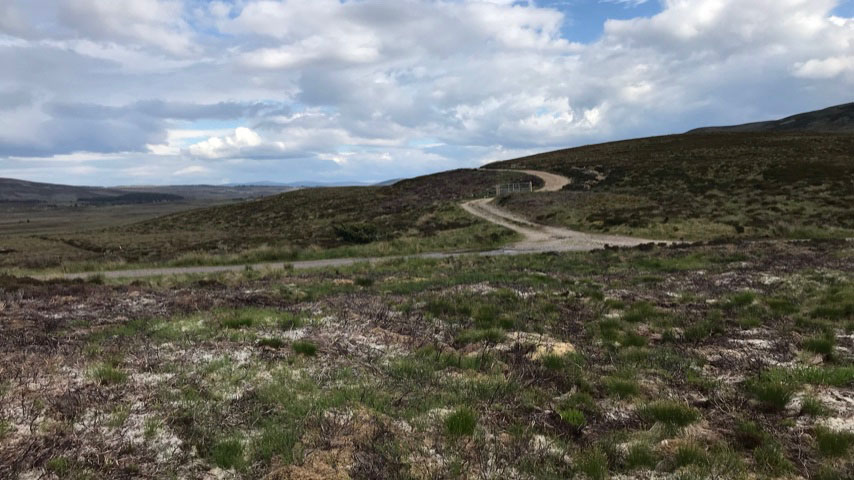
There comes a certain time in such a day when the ’rounded glow’ of a day well spent merges with the warmth of sheer fun. Give people in this condition a few bits of Shakespeare to enact – on a real blasted heath – and they will rise to the occasion. We smiled and laughed a lot. The ladies playing the witches were simply magnificent; and, if we were the only ones in the gallery, then that was enough.
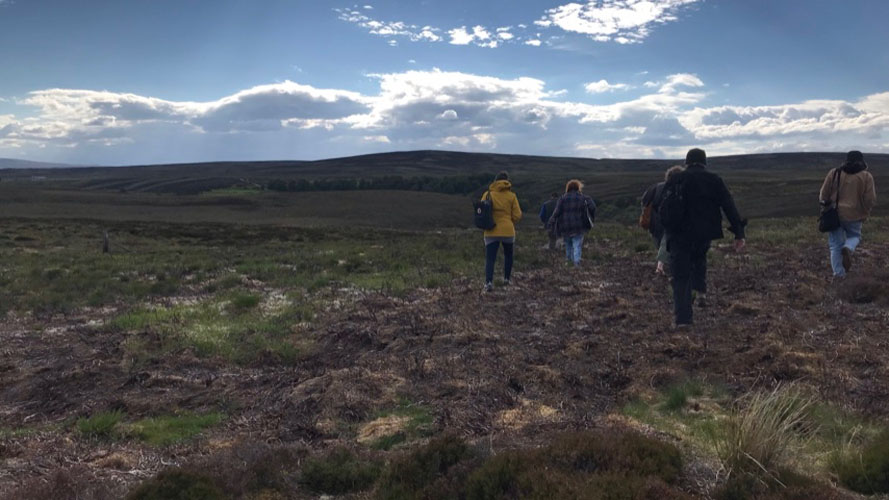
Finally, it was time to head back to Grantown; but via a slight detour that would take us back along the shores of Lochindorb.
Sadly, the pre-booked dinner in Grantown-on-Spey allowed us no time to stop and photograph, even given the last hour of the sun against the stunning vista of the Cairngorm mountains in the south.

Lochinborb is home to one of the castles of the Wolf of Badenoch, whose life and works we were to encounter on the following and final day within the beautiful setting of the Spey Valley around Glenlivet – home of one of the most famous single malt labels… and so much more.

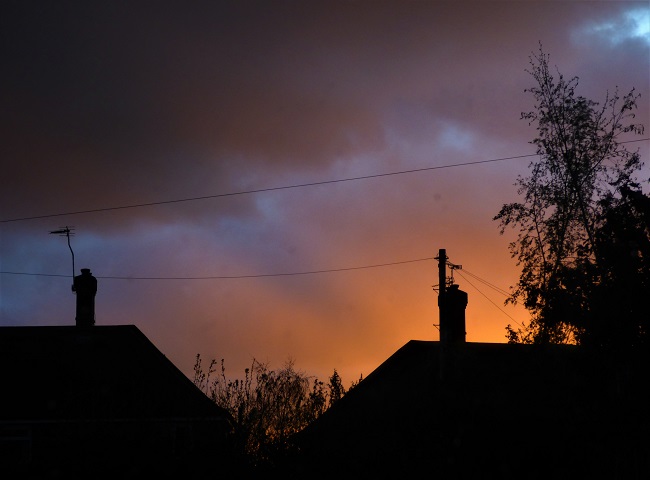
The sun was setting over the town’s buildings as we arrived back in Grantown-on-Spey and our traditional Silent Eye Saturday dinner. Food and wine were shared amidst much laughter and camaraderie. It had been a very fine day, despite the determination of the ‘mischievous’ spirits whose presence – like Macbeth’s witches – seemed ever present…
Would they play a part in our Sunday – the final day, and the setting for our departure and long journeys home?
To be continued…
Other parts in this series
Part One, Part Two, Part Three, Part Four, Part Five, this is Part Six
©Copyright Stephen Tanham
Stephen Tanham is a Director of the Silent Eye School of Consciousness, a not-for-profit teaching school of modern mysticism that helps people find a personal path to a deeper place within their internal and external lives.
The Silent Eye provides home-based, practical courses which are low-cost and personally supervised. The course materials and corresponding supervision are provided month by month without further commitment.
Steve’s personal blog, Sun in Gemini, is at stevetanham.wordpress.com.

Tess: I did warn you!
Misti: It was only your head!
Tess: You we’re walking on it
Misti: I lived here, first…
Tess: Yawn…
©Copyright Stephen Tanham
Share this:

Deep summer reflections from Sue…

The sun had shone on a perfect day, buzzing with the sound of summer. The air was full of small noises… the distant squeals and laughter of children playing, insects busily going about their job, music carried on the breeze, the tearing of grass beyond the garden fence where the cattle munch their way through the lush green field and the constant song of birds. It was one of those days where you could read the season from its soundtrack, even here in the village.
Much later, I sat outside while the dog dozed in the cool night air and there was silence. It wasn’t just quiet … there was no breeze to rustle the leaves on the trees, no wisps of speech from late-night television wafting through open windows…not even the usual muted roar of the occasional car on the main road. With the door closed behind me to…
View original post 683 more words
Share this:

From Anita Dawes

 Image by Pixabay.com
Love after Love
When the flame has swallowed the wax
When the candle is no more
Then you will see your love waiting
In green fields by golden gates
Castle walls that shine like mirrors polished
Your journey will not be taken
On swift straight roads
It will be as if you walk through brambles thorns
Harsh winter winds, flame will not warm your bones
Your life will be tested, the road steep
Your heart will not let love wither away
As you journey through the underworld
Your own hand will guide you
To where death has taken him
When you reach the darkest part of your journey
When you think the end cannot be reached
Unclench your fist, light the candle you held for so long…

Share this:

A haiku and a hummingbird drawing…


I consulted with the Oracle about this tiny (3″) Mexican hummingbird, one of many of the endangered bird species of the world. Less than 1000 are estimated to exist.

I did my first sketch, above, in colored pencil, but felt the colors lacked enough vibrancy, so I painted the top one with my metallic watercolors.
Flowers grow feathered
wings humming bird poetry
air breathes spiritsong
Share this:

+ #Silenti, Ancient Landscapes, Ancient Sacred Sites, Celtic Christianity, Christianity and modern mysticism, Consciousness, esoteric psychology, Highlands of Scotland, landscapes, Magic, Mindfulness, Mystery Schools, Mystical ritual drama, myths and spirituality, Neolithic, Pentagram, Scotland, Silent Eye School, Spirituality
Three Days of the Oyster-Catcher (Part 5) Stone in the Sky
by Steve Tanham

You can’t miss Sueno’s stone. It sits on its own plateau, just off the old main road between Findhorn and Forres; now bypassed. You see its ‘hangar’ first, then realise that this glass and steel monolith contains something special…

Sueno’s stone was thought to be named after Swenson Forkbeard, but this is disputed. There is also a folk-link to King Duffus, whose castle we visited earlier in the day. The stone was mentioned in Scottish history as early as the 15th century, but accurate records date to the work of Lady Ann Campbell, the Countess of Moray, who, at her own expense, carried out maintenance work on it in the early 1700s in an attempt to stabilise the heavy stone. Stepped plinths around the base of the stone were the fruit of this dedicated work. We owe her a debt of gratitude.

There is archeological evidence that it was originally one of two stones, the other being smaller. Sueno’s stone is massive – seven metres (23 feet) tall. It was carved from Old Red Sandstone – a commonly used rock in this part of the Moray Firth’s coast. It is an upright cross slab bearing typical Pictish-style interwoven vine symbols on its edge panels. These were difficult to photograph so I have used the Historic Scotland noticeboard images to supplement the actual photos

The front face is carved with a great ring-head cross. The shaft, base and background are filled with interlaced decoration. Beneath the base, two figures lean over a smaller figure. Two other attendants wait in the background.

Each narrow side is intricately decorated with interlace designs, which include spirals of foliage within which small human figures are perched. The reverse of the stone shows a great battle scene – covering four panels. This depicts cavalry, foot soldiers and the beheading of the defeated – the usual savagery of bitter wars…
The historic scope of the stone is considerable. From the arrival of one army in the top panel, to the main battle, and the resulting rout of the defeated in the middle panel, to the fleeing of the fallen army in the bottom panel, something of monumental importance is being shown.
But what?
The artistic style of the carving – a mixture of Pictish, Irish and Northumbrian techniques – suggests that was carved in the 9th or 10th century. This points to three possibilities:


One is that the stone commemorates the vanquishing of the Picts by the Scots, under the command of Kenneth MacAlpin, in the mid 9th century. A second is that the stone denotes a confrontation between a local Pictish and Scottish force and marauding Norsemen. This would tie in with the known date of the destruction of the headland settlement and fort at Burghead (see previous post).
The third possibility is the stone depicts a conflict between the Scottish king, Dubh, and the men of Moray. The oral records claimed that the body of the dead king lay beneath the famous bridge at Kinross, a short distance away. This bridge could be the curious arched object carved at the bottom of the battle scene.
There may never be an answer. There is no inscription on the stone and historical data is limited.

Historic Scotland has a policy of protecting the larger Pictish stones by this method of enclosure within steel and glass. You can understand the need to do so, but it does make them less accessible. During our scouting visit with Dean, in March, we came across another stone of the ‘Pictish Trail’ just south of Portmahomack, an hour’s drive north of Forres.

The description reads:
Shadwick Stone (near Tain)
“A Christian cross has been carved on the seaward face of the slab. Some of the other motifs on this side may be religious symbols. Immediately below the arms of the cross are angels with outspread wings. They are placed about animals which could be interpreted as David’s lions. Then there are snakes and serpents. The designer of this and the other stones in the area were certainly not working alone. They must have known of the Christian decorated manuscripts of Lindisfarne and Iona, as well as the metalwork and sculpture of Pictland, Northumbria and Ireland.”

We left Sueno’s Stone feeling that we had only glimpsed the importance of its place in Scotland’s history. Our Saturday – which had begun a long time ago – was taking its toll and people were getting fatigued.

Luckily, Dean had arranged a mid-afternoon detour to the wonderful Logie Steading… The old stables of the Logie estate, and a place of craft displays, food stalls and a very nice tea room….

Beyond the refreshments at Logie Steading, we were headed for a location provided at the the last minute by two of our number, Michael and Eva. We had completed our assignments with the Element of Water. Now, we were going to explore the Element of Air in a rather different kind of location…
To be continued…
Other parts in this series
Part One, Part Two, Part Three, Part Four, this is Part Five
©Copyright Stephen Tanham
Stephen Tanham is a Director of the Silent Eye School of Consciousness, a not-for-profit teaching school of modern mysticism that helps people find a personal path to a deeper place within their internal and external lives.
The Silent Eye provides home-based, practical courses which are low-cost and personally supervised. The course materials and corresponding supervision are provided month by month without further commitment.
Steve’s personal blog, Sun in Gemini, is at stevetanham.wordpress.com.
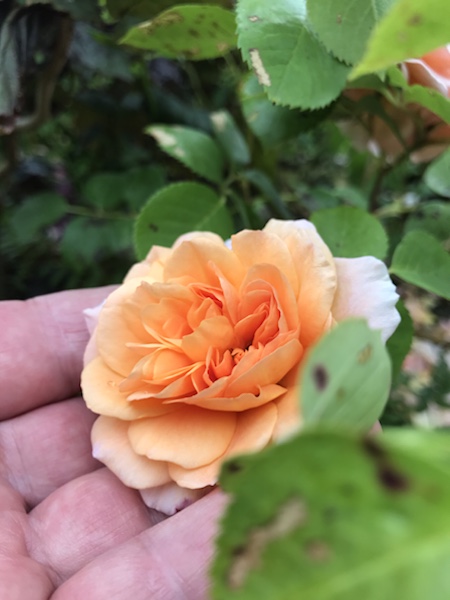
Like a flower the truth is swiftly hurt
Perfection is the gentlest thing
Touched only by inside seeing
Fingers’ secret is caress
Engaging deeper self
A sacrifice to one alone
Blissed hand holds essence of rose
Its fading leaving room for another
Its silence an invitation to a third
➰
©Stephen Tanham
Share this:

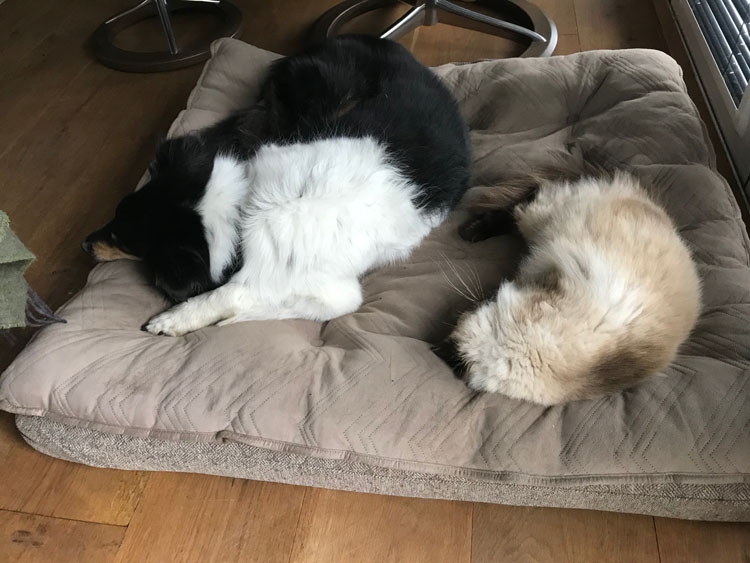
Tess?
Yes, Misti
Should we turn over
Don’t think so…
No, you’re right… too complex.
©Stephen Tanham
From Sue…
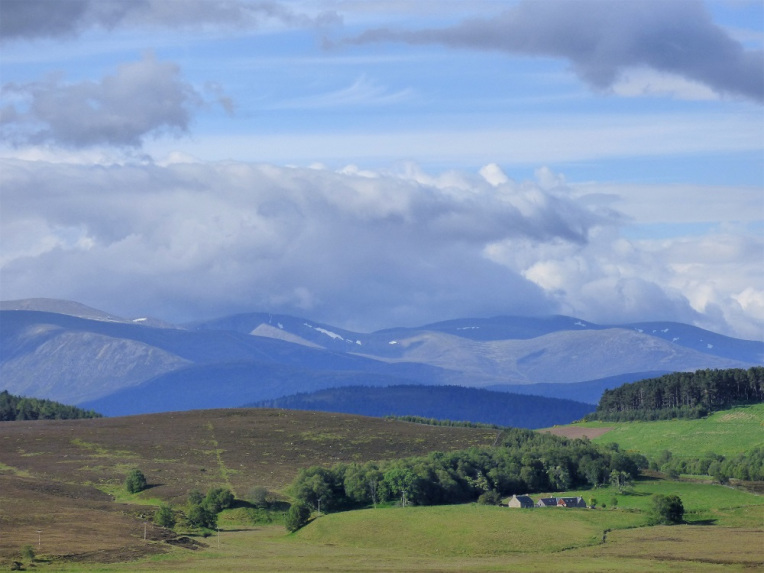
Sunday morning already… the weekend was slipping by incredibly fast, but we knew Dean had a lot planned for the final morning of the workshop. Our day began by packing the car, necessarily skipping breakfast… which was to prove a bit disastrous as things turned out… and re-inflating the dodgy tyre yet again. It was definitely getting worse, but it was still manageable as long as we had access to an air pump. There was no prospect of getting it dealt with on a Scottish Sunday so far from a large town anyway.
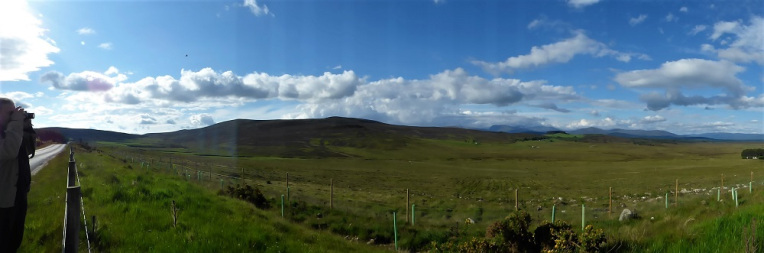
But all practical considerations would fade away as we drove to our rendezvous at Dean’s home in Glenlivet. The morning was beautiful, the landscape incredible with wide valleys fringed with the blue of snow-kissed mountains. We glimpsed rabbits, deer and scurrying weasels and, quite magically, there were huge hares on the road.
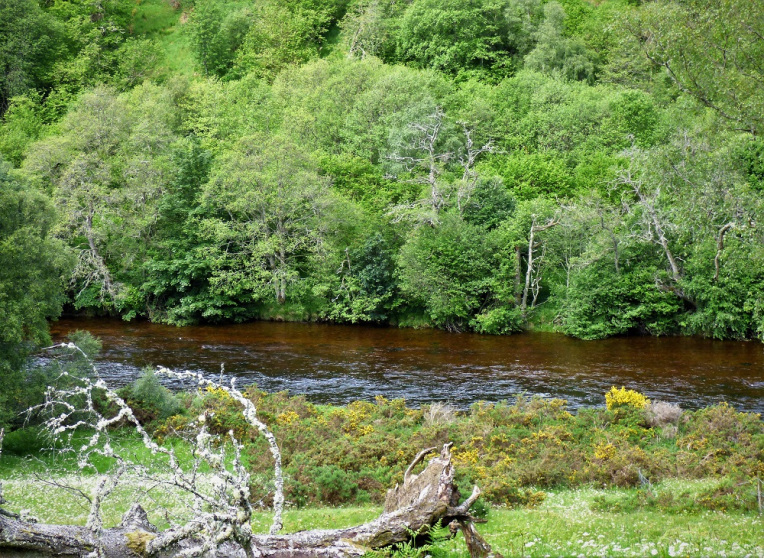
While hares may well be…
View original post 501 more words
Share this:


+ #Silenti, Ancient Landscapes, Ancient Sacred Sites, Celtic Christianity, Christianity and modern mysticism, Consciousness, esoteric psychology, Highlands of Scotland, landscapes, Magic, Mindfulness, Mystery Schools, Mystical ritual drama, myths and spirituality, Neolithic, Pentagram, Scotland, Silent Eye School, Spirituality
Three Days of the Oyster-Catcher (Part 4) Sea and Stone
by Steve Tanham

I didn’t want to leave Burghead, not even for Findhorn; a place I’d wanted to visit for a long time. Burghead had filled me (many of us, I think) with a sense of ancient mystery and that dreadful knowledge that the centre of the Pict civilisation had likely perished in the Viking raids of the 9th century, when the ‘fort’ was sacked and burned. Medieval history is thin for north-eastern Scotland, for example the all-important Celtic Christian monasteries at Iona and Lindisfarne have well-documented medieval histories, but the important monastery at Portmahomack (the ‘Iona of the East’) north of the Moray Firth, is not.

Given time, I’d have spent the rest of the day exploring the layers of Burghead… and sitting with a coffee or six gazing out at the splendour of the Moray Firth. The Pictish people fascinate me – and their art has the same effect on me as did that of Egypt when I first came across it.

One of our forthcoming workshops will be “On the Trail of the Picts“. We will follow the established ‘Pictish Trail’ across three landscapes just north of the Moray Firth in The Black Isle and Easter Ross; with a possible onward option to visit Orkney by car ferry. Advance reservations are being taken. September 2020 is being considered… but that is to be confirmed.

But we were still in the morning of the Saturday, and, though we had experienced the Burghead Well in a very special way, our use of the ‘element’ of water had a deeper personal purpose in the system that Dean had devised.

At our next destination, we would ‘walk’ the ‘watery’ pentagram in search of deeper, individual self-knowledge. Dean’s system called for each person to be paired up with another – ideally someone they didn’t routinely work with. One person would walk the pentagram for each element, the other would record their feelings and observations as the mental and emotional journey progressed. Our Friday evening by the River Spey had begun this with the element of Earth. Now it was time, with the help of Findhorn’s beautiful beach, to do it for water…

Except, when we got there, there was no beach… The high tide had consumed it, leaving only sand dunes and pebbles where once there had been (we were assured) level sand, perfect for laying out geometrical ribbons!
With great skill and some ingenuity we worked out a technical system that prevented the ribbons from flying away in the strong sea-breeze (heavy pebbles), and carried out what everyone thought was an excellent exercise. One of my key thoughts about ‘water’ has always been the ‘wisdom’ of how it moves around obstacles, rather than offering outright resistance. In nature, few things are as powerful, nor as determined as free-flowing water. Related to the emotions, yes, but much more that that… We should also consider the way it divides itself, without hesitation, to carry out such a flow-around. The ‘self’ of water exists only in the whole….

We were getting used to the ideas behind, and method of Dean’s ‘magical matrix’ system. It’s always surprising (and often a delight) to see what takes form beneath the pencil from spontaneous thought and emotion when we are free just to ‘be’ in the landscape… and that is the whole point of these workshops. The magical matrix was beginning to show each of us the polarity between our beliefs and how we lived our lives… and the two are not always the same thing. There are limitations – real and false – and the simple scribblings were to build up to a comprehensive picture of our selves. Also, the trust that one places in the partner in this type of working is a lesson in itself – and a delightful (and often humorous) process.
And then, mercifully, there was lunch… in one of the best cafes imaginable. Set in the beautiful and famous village of Findhorn, the creative centre of this part of the Scottish coast, the Bakehouse cafe is a delight…

And, in closing this part of the weekend’s story, I have to add this photo of Larissa, enjoying (at the Bakehouse) her ‘first decent coffee fix’ of the whole weekend; truly a memory in itself…

After lunch we were to be treated to a Pictish stone so large, they had to build a glass hangar to house it…
To be continued….
Other parts in this series
Part One, Part Two, Part Three, This is Part Four.
©Copyright Stephen Tanham
Stephen Tanham is a Director of the Silent Eye School of Consciousness, a not-for-profit teaching school of modern mysticism that helps people find a personal path to a deeper place within their internal and external lives.
The Silent Eye provides home-based, practical courses which are low-cost and personally supervised. The course materials and corresponding supervision are provided month by month without further commitment.
Steve’s personal blog, Sun in Gemini, is at stevetanham.wordpress.com.


 Sun in Gemini
You must be logged in to post a comment.